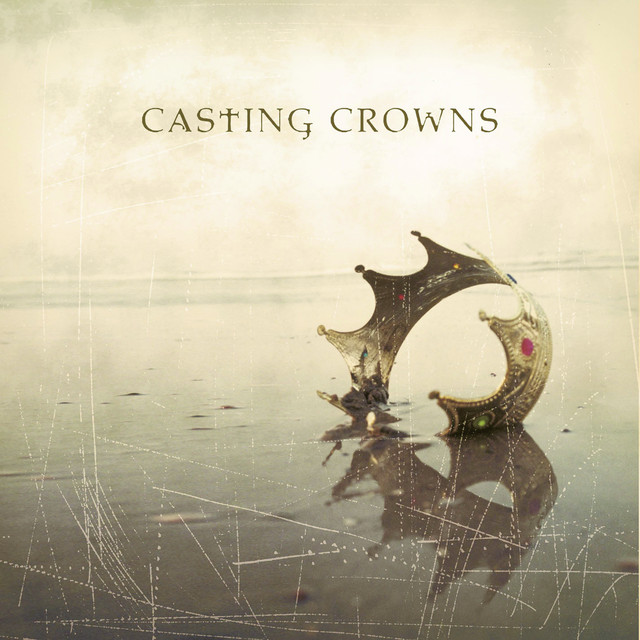
Why 'Who Am I' Still Speaks to Believers
The meaning of Who Am I Casting Crowns comes down to a simple but powerful tension: people feel small, flawed, and temporary, yet they are still loved and claimed by God. That tension is why the song has lasted.
"Who Am I" - Casting Crowns
Would care to know my name
Would care to feel my hurt?
Loading lyrics...
Unable to load lyrics
We're unable to display the lyrics at this time. Please try again later.
Released as a single in 2004 from Casting Crowns' debut album, "Who Am I" became one of the group's defining hits, reaching No. 1 on Billboard's Hot Christian Songs chart and later earning multi-platinum certification in the U.S. (Wikipedia). Its success matters because it shows how widely its message connected.
The Big Idea at the Song's Center
At its core, the song is a worship ballad about unearned grace. It opens with questions of worth: why would God notice one ordinary person, much less care about their pain? Those questions are not just poetic. They frame the emotional problem the whole song tries to solve.
The answer arrives in the refrain. The song says acceptance is not because of who I am
. In other words, the speaker's identity is not secured by achievement, strength, or moral perfection. It rests in God's action and character.
That is the heart of the meaning of Who Am I Casting Crowns: human value is received, not earned.

Watch the official Who Am I
music video
Where the Song Came From
This meaning becomes clearer with the song's origin. According to reporting summarized by Wikipedia, songwriter Mark Hall said the idea came while he was driving during a time of personal worship. He wondered how he could call out to God from "the middle of nowhere" and expect to be heard.
Hall also explained that he was holding two truths together: believers are renewed and strengthened in faith, yet human life is still brief and fragile. That balance shapes the lyric's whole structure. The song never denies weakness; it places weakness inside grace.
How the Verses Build the Emotion
The verses work by moving from wonder to reassurance. First, they ask why God would know a single name or care about a single hurt. Then they deepen the tension by bringing in guilt and instability.
One of the song's strongest phrases is ever-wandering heart
. That small line suggests spiritual drift, not just sadness. The speaker is not only weak but inconsistent.
Later, the song adds a phrase about the God who could calm the sea and also calm the inner storm. That shift matters. The problem is not only external trouble; it is inward unrest.
A Short Map of the Song's Movement
- The speaker feels small and unworthy.
- They admit moral failure and instability.
- They remember that grace depends on God, not self.
- They end in belonging and confidence.
That is why the final identity statement lands with force.
I am YoursThe song turns from asking who they are to resting in whose they are.
Fragile Images, Strong Meaning
The imagery is plain, but it is effective. The song compares human life to things that fade, drift, or disappear. A person is like a blossom that does not last, a rough wave, and a vapor in the wind
. Each image points to temporary life and limited control.
Interpretation: These are not just descriptions of weakness. They are meant to empty out self-importance. The song strips away pride so that grace can feel necessary rather than decorative.
Just as important are the rescue images. God hears, catches, and claims. The line catch me when I'm falling
turns theology into action. Grace here is not abstract. It feels immediate and personal.
Why the Chorus Hits So Hard
The chorus is memorable because it repeats one idea from different angles. The speaker's relationship with God is not based on merit, performance, or spiritual status. That makes the song emotionally accessible even to listeners carrying shame.
Interpretation: This is why the track became such a church favorite. It offers a confession of weakness without leaving the listener there. Instead, it moves toward security.
And that security is stated in the simplest possible terms: belonging. The repeated ending does not try to solve every doubt intellectually. It answers doubt relationally.
How the Sound Carries the Message
Musically, "Who Am I" supports its meaning with restraint and lift. The song is widely described as a piano-based pop-rock or adult contemporary ballad with orchestral touches, moving from a soft opening to a larger crescendo (Wikipedia). That arc mirrors the lyrics.
The early piano and slow pace create space for honest questioning. As the track grows, strings and fuller band dynamics make the reassurance feel earned rather than sudden. The production was handled by Mark A. Miller, Steven Curtis Chapman, and Casting Crowns, with string work from Jonathan Yudkin and Bernie Herms (Wikipedia).
That fuller arrangement matters. The song begins like a private prayer and ends like a communal declaration.
Why It Endured
Critics and audiences both responded strongly. It won Song of the Year and Pop/Contemporary Recorded Song of the Year at the Dove Awards, and Christianity Today later referred to songs like this as beloved anthems
of Christian faith (Wikipedia). Even listeners who know little about chart history can hear why it lasted: it speaks to insecurity without glamorizing it.
For many believers, the song names a common spiritual feeling. They know they are limited. They also hope they are loved anyway. "Who Am I" puts those two thoughts in the same room and lets grace answer.
Final Take on the Song's Message
The meaning of Who Am I Casting Crowns is that human identity is safest when it is grounded in God's love rather than personal worthiness. The song starts with doubt, passes through weakness, and ends in belonging.
That journey is the reason it still resonates. It tells listeners they are fragile, but not forgotten.
Disclaimer: This interpretation is based on the song's lyrics, documented background, and public reception. As with any song, individual listeners may hear additional meanings.








