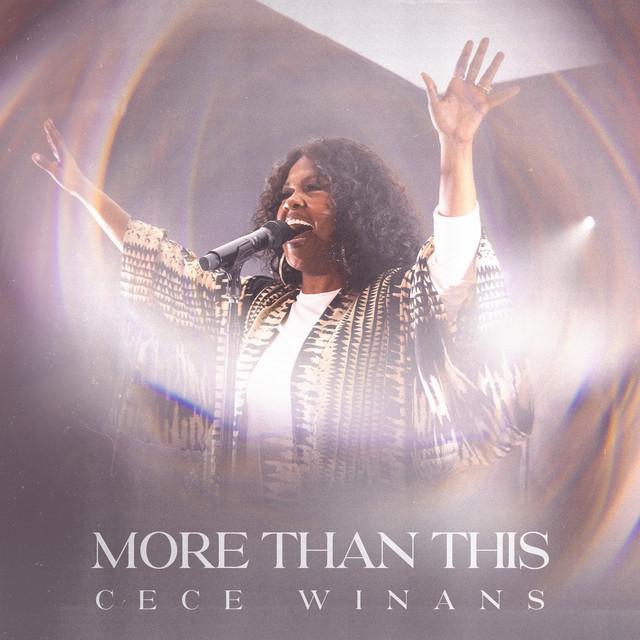
Why "More Than This" Feels Like Total Surrender
The meaning of More Than This CeCe Winans, Todd Dulaney centers on complete devotion. This is not a song about casual faith or a brief emotional moment. It is about giving God a whole life, not a small share of one.
"More Than This" - CeCe Winans ft. Todd Dulaney
'Til I reach my goal
And I see your face
Loading lyrics...
Unable to load lyrics
We're unable to display the lyrics at this time. Please try again later.
Written by CeCe Winans, Kyle Lee, and Todd Dulaney, the song speaks in simple language, but its message is huge. It moves from personal promise to public worship, showing how private surrender can grow into a shared declaration.
A Worship Song Built on One Big Promise
At its core, the song keeps returning to one vow: more than this
. That short line carries the entire meaning. The singer is saying that whatever has been offered already, it still is not enough compared with what God deserves.
The next idea sharpens that promise. When the lyric says not just a part of me
, it rejects half-hearted commitment. The song does not present worship as a side habit. It presents worship as total belonging.
Interpretation: This is why the lyric feels so direct. Instead of asking for blessings, protection, or comfort, it focuses on response. The singer is not mainly requesting something from God; they are offering themselves back.
Time, Eternity, and the Long View of Faith
One of the strongest parts of the song is how it stretches beyond the present moment. It looks ahead to future hope, final rest, and eternal worship. Phrases like 'til I reach my goal
and 'til you wipe all tears
place today’s worship inside a much larger Christian story.
That story includes perseverance. The singer expects life to include pain, labor, and waiting. Yet the response stays the same: worship continues now and will continue later.
There is also strong biblical imagery here. References to tears ending, the sky opening, and the dead rising echo Christian teaching about resurrection and final redemption. Those images make the song feel larger than personal testimony. It becomes a declaration of hope in God’s future kingdom.
From Individual Prayer to Congregational Anthem
At first, the song feels deeply personal. The speaker talks about what they will do, what they will give, and how they will bow. Then the song opens outward.
That shift becomes clear in the section built around holiness. The repeated line my heart cries holy
sounds private at first, but the live-style encouragement around it turns the moment into a room-wide response. What begins as one believer’s surrender becomes a congregational act.
Everything I will lay it down
At your feet
That brief passage captures the song’s emotional center. It frames worship as an offering, not just a feeling. The image of laying everything down suggests humility, trust, and release.
What the Lyrics Say About Identity
The song’s deeper power comes from how it links worship to identity. It does not only say the singer will perform religious acts. It says their whole life belongs to God.
When the lyric describes a life poured out as an offering, it turns devotion into something ongoing. Worship is not limited to church music, one prayer, or one emotional service. It becomes the purpose of the self.
Interpretation: That is why the song resonates so strongly in gospel settings. It gives people language for absolute surrender without making the message complex. The words are easy to grasp, but the commitment they describe is total.
How CeCe Winans and Todd Dulaney Shape the Message
CeCe Winans has long been one of gospel music’s clearest and most trusted voices, with a career documented by the Recording Academy. Todd Dulaney is also known for worship-centered gospel songs and ministry-driven performance. Together, they bring both warmth and authority to the track.
That matters to the meaning. Winans often sings with calm assurance rather than force, which makes the vow sound grounded and sincere. Dulaney’s worship background helps the song move naturally from written lyric to communal praise.
Factual note: the song was written by CeCe Winans, Kyle Lee, and Todd Dulaney, as provided in the song credits shared by the user. The writing reflects modern gospel’s gift for repetition with purpose: each return to the hook deepens commitment rather than simply repeating it.
The Sound: Why Repetition Works Here
Musically, the song uses a classic worship build. It starts with space and clarity, then grows through repetition, vocal layering, and call-and-response energy. That structure supports the lyric’s meaning.
Instead of treating repetition as redundancy, the arrangement turns it into insistence. Each return of the central hook feels less like a reminder and more like a stronger vow. By the time the holiness section arrives, the song has moved from statement to atmosphere.
This is where gospel and worship music often meet. The song is not only trying to explain devotion. It is trying to create a setting where devotion is practiced in real time. That design fits CeCe Winans’s broader discography, which often joins testimony, doctrine, and participatory worship.
The Meaning of More Than This CeCe Winans, Todd Dulaney
So what is the meaning of More Than This CeCe Winans, Todd Dulaney in one sentence? It is a worship song about giving God complete allegiance now, while also looking ahead to eternal communion with Him.
Its message lands because it balances two things at once:
- present surrender
- future hope
- personal faith
- shared worship
- simple words
- weighty theology
That balance makes the song feel both intimate and expansive. It can meet a listener in private prayer, but it can also lift a whole church into one voice.
Final Thought on Its Lasting Pull
What makes "More Than This" memorable is not complexity. It is clarity. The song knows exactly what it wants to say: real worship costs the whole self.
Interpretation: Listeners who connect with it are often responding to that totality. The song names a deep spiritual desire many believers feel but struggle to express.
Meaning in music can be personal, and this interpretation is one reading based on the lyrics, performance, and gospel context surrounding the song.







