Why Celtic Woman’s “I See Fire” Feels So Haunting
The meaning of I See Fire Celtic Woman starts with danger, but it does not end there. Their version of Ed Sheeran’s song turns a story about flames and ruin into something deeper: a prayer for protection, a vow of loyalty, and a farewell spoken before the worst happens.
"I See Fire" - Celtic Woman
Keep careful watch of my brothers' souls
And should the sky be filled with fire and smoke
Loading lyrics...
Unable to load lyrics
We're unable to display the lyrics at this time. Please try again later.
Though many listeners know the song from The Hobbit: The Desolation of Smaug, Celtic Woman’s performance gives it a more choral and mythic feel. That matters, because the song is not only about seeing destruction. It is also about staying united when fear is impossible to ignore.
From Middle-earth to Celtic Woman’s Stage
Factually, Ed Sheeran wrote I See Fire for the closing credits of The Hobbit: The Desolation of Smaug, released in 2013. According to widely reported production notes, director Peter Jackson asked him to focus on the film’s final stretch and write from the perspective of a dwarf-like community facing catastrophe. The song was released on November 5, 2013, and later appeared on the film soundtrack and the deluxe edition of x.
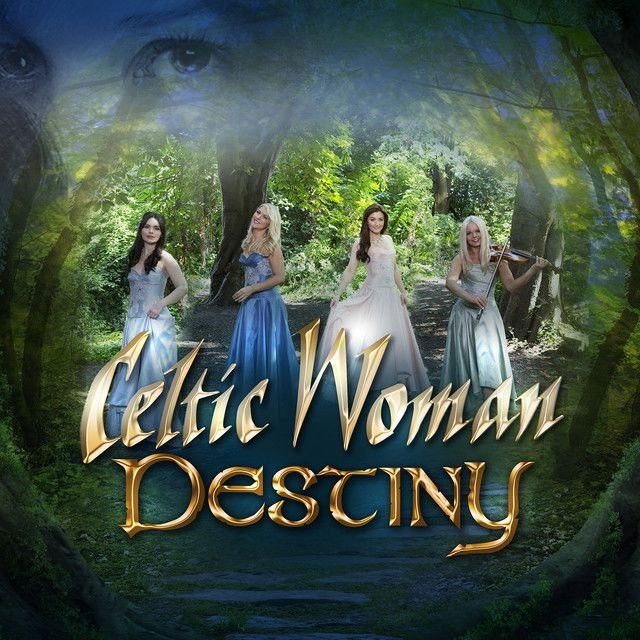
Celtic Woman later recorded the song for their album Destiny. That cover keeps the song’s central images but changes the emotional frame. Where Sheeran’s original is intimate and solitary, Celtic Woman’s arrangement feels more collective, almost like a lament carried by a group rather than one witness.

Watch the official I See Fire
music video
The Heart of the Song: Loyalty Under Threat
At the center of the lyrics is a simple emotional truth: when disaster comes, the speaker refuses to abandon their people. The early lines ask for protection over my brothers' souls
, which immediately ties the song to duty, kinship, and shared fate.
That idea grows stronger when the lyric imagines an ending that must be faced together. The repeated thought behind all burn together
is not reckless surrender. It is solidarity. The speaker believes that if a home falls, its people should not face that terror alone.
Interpretation: In Celtic Woman’s version, this loyalty can sound even more spiritual than in the original. Their harmonies suggest not just a battle song, but a communal vow.
Fire as More Than Fire
The song’s most striking image is, of course, fire. On the surface, it refers to the dragon-driven destruction in The Hobbit. But even outside the film, the image works as a symbol of total crisis.
When the chorus repeats I see fire
, the line does more than describe what is visible. It suggests that danger has spread everywhere: in the land, in memory, and in the people themselves. The phrase inside the mountain
points to a threatened homeland, while hollowing souls
expands the damage from physical ruin to emotional and moral loss.
This is why the song feels bigger than fantasy storytelling. Fire becomes a sign of grief, war, fear, and the collapse of safety.
A Story Told in Fast-Moving Images
The lyrics move like flashes from a disaster scene. They do not tell a long, detailed narrative. Instead, they offer bursts of warning, witness, and resolve.
A quick timeline looks like this:
- The song opens with a plea for watchfulness and protection.
- It then imagines a final stand, where people face death side by side.
- The chorus widens the view, showing destruction in nature and in human feeling.
- Near the end, the speaker turns inward, fearing darkness, loss, and the screams of their people.
That final shift is crucial. The song begins as a warning, but it ends in mourning. The hope to be remembered gives the song its most human touch.
And I hopethat you'll remember me
Those brief lines paraphrase the song’s final emotional turn: after all the grand imagery, what remains is a deeply personal fear of being lost to time.
How Celtic Woman Changes the Meaning
Celtic Woman did not change the words, but they changed the emotional lens. Their style often blends classical technique, folk influence, and polished ensemble vocals. In this setting, the song feels less like one traveler with a guitar and more like a people singing through tragedy.
That shift matters for the meaning of I See Fire Celtic Woman. The cover emphasizes three things:
- Collective grief: The group sound makes the pain feel shared.
- Ancient atmosphere: Celtic textures connect the song to legend and memory.
- Elegance in sorrow: The arrangement softens raw panic into something dignified.
Interpretation: Because of that, their version can feel more memorial than immediate. Sheeran’s original stands close to the flames. Celtic Woman sounds as if they are singing after the loss, preserving what the fire could not erase.
Why the Original Song Hits So Hard
The original track helps explain why the cover works. Sheeran reportedly wrote and recorded most of the song in a day, producing it himself and playing nearly every instrument except cello. He built it around acoustic guitar and a folk-ballad mood, drawing inspiration from Irish folk sounds.
That stripped-back approach makes the lyrics feel direct. The calm arrangement does not fight the imagery; it lets the dread grow slowly. Reviews at the time praised that balance, noting how the song stayed gentle even while describing catastrophe.
Celtic Woman inherits that strong foundation, then adds lift and ceremony. The result is a version that keeps the fear but increases the grandeur.
The Big Takeaway Behind the Flames
So what is the song really saying? It says that when destruction comes, people search for three things: each other, courage, and memory. The flames matter, but the bond between people matters more.
That is why the song lasts beyond its movie setting. Whether heard in Sheeran’s original or Celtic Woman’s cover, it speaks to anyone who has tried to stay brave while something precious feels close to collapse.
Interpretation disclaimer: This article separates documented background from interpretive reading. Meanings can vary by listener, especially with a cover version like Celtic Woman’s, which adds new emotional shades to an already cinematic song.








