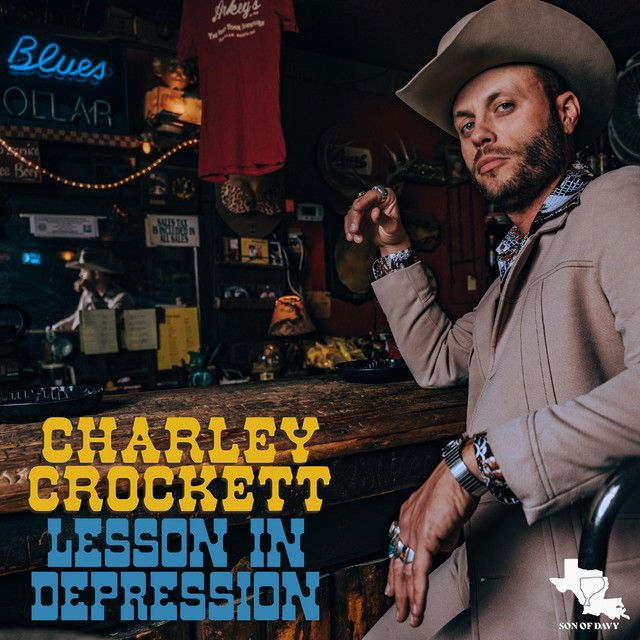
Lesson in Depression by Charley Crockett
The meaning of Lesson in Depression Charley Crockett starts with a blunt idea: this song is not asking for pity. It is warning someone away. In Charley Crockett’s version of James Hand’s song, the narrator opens the door, but only halfway. They let another person come close enough to see the damage, then immediately say they should probably leave.
"Lesson in Depression" - Charley Crockett
But you don't need to see
What I do when I get sick and tired of me
Loading lyrics...
Unable to load lyrics
We're unable to display the lyrics at this time. Please try again later.
That push-pull is what makes the song sting. It is about isolation, shame, and the fear that pain spreads from one person to another.
A Door Opens, But Not All the Way
From the first lines, the speaker sounds torn. They say, in effect, thank you for visiting, but also insist that the visitor does not need to witness what happens when they are overwhelmed by self-hatred. A short phrase like sick and tired of me
gets to the center fast: this is not just sadness about life; it is exhaustion with the self.
That matters because the song does not frame depression as a poetic mood. It feels ugly, repetitive, and deeply personal. The narrator can still be polite, even hospitable, but the politeness is cracked by warning signs. When they say not to expect happiness and to watch for tears, they are almost giving instructions for entering a dangerous room.
Interpretation: the song presents depression as both private suffering and social distance. The speaker wants connection, yet they believe closeness will only expose another person to harm.

Watch the official Lesson in Depression
music video
Why the Chorus Feels So Bitter
The hook is the song’s most memorable twist. The phrase lesson in depression
turns emotional collapse into something like a demonstration. Then the line king of his profession
adds a layer of dark humor.
That humor is not playful. It sounds defensive. The narrator is so familiar with despair that they joke about being an expert in it. In plain terms, they are saying: if anyone can teach misery, it is them.
This bitter self-labeling is key to the meaning of Lesson in Depression Charley Crockett. Depression here is not only pain; it is identity. The speaker has lived inside it long enough that it feels like a role they cannot stop performing.
The Song’s Small Story, Step by Step
The lyric works like a short scene:
- A visitor arrives.
- The speaker offers a cautious welcome.
- They confess they are unstable and ashamed.
- They warn the guest that staying could be dangerous.
- The chorus turns that warning into a grim summary.
What gives this simple structure force is the repeated direct address. When the singer says if you chose to stay
, they make the listener part of the crisis. This is not an abstract diary entry. It is a live conversation with someone standing close by.
Another crucial phrase is lose your way
. The narrator is not just afraid of being seen. They are afraid of influence. They think despair can mislead another person, almost like a road that pulls both people off course.
James Hand’s Writing Keeps It Plain and Sharp
Factually, this song was written by James Hand, not Crockett. Crockett recorded it for 10 For Slim: Charley Crockett Sings James Hand, a 2021 tribute album released after Hand’s death, as reported by PopMatters. That context matters.
According to that review, Crockett had discovered Hand’s music, befriended him, and planned to tour with him before Hand died. Crockett then kept a promise to record Hand’s songs. The same review describes Hand’s writing as focused on connection, depression, and the small comforts that keep people going.
That helps explain why this song feels so direct. Hand does not hide behind fancy imagery. He uses everyday speech, simple setup, and one central emotional problem: what happens when a person believes they are dangerous to be around?
Why Crockett’s Performance Makes It Hit Harder
Crockett’s singing style is a major part of the song’s impact. PopMatters noted that he delivers Hand’s words in a “knowing voice that seems almost happy.” That contrast is exactly what makes the track so unsettling.
The arrangement leans on classic honky-tonk feeling rather than dramatic gloom. Instead of drowning the lyric in heavy production, the song lets the sadness sit inside a steady country frame. That choice matters because it makes the pain feel ordinary, lived-in, and real.
In other words, the music does not scream “tragedy.” It keeps moving. That steady motion mirrors how depression often works in real life: the world keeps its rhythm while the person inside it falls apart.
A Warning, a Confession, and Maybe a Plea
There is more than one way to hear the song. Interpretation: one reading is that the narrator is simply pushing someone away to protect them. Another is that they secretly want help but cannot ask for it directly.
That second reading gains weight from lines that mix invitation with refusal. The speaker says come in, then says do not look. They accept company, then predict tears and collapse. That tension can sound like someone testing whether another person will stay even after the warning.
A brief multi-line section shows this conflict clearly:
Come in for a while
since you're already here
don't expect a smile
look out for all the tears
The idea is simple but painful: they want presence, not exposure. They want company, but they do not believe they can offer anything healthy in return.
What the Song Ultimately Says
At its core, the meaning of Lesson in Depression Charley Crockett is that depression can make a person feel toxic, not just sad. The narrator sees themselves as a source of damage. That is why the song sounds both welcoming and warning at once.
Crockett’s performance honors the plainspoken force of James Hand’s writing. Together, they turn a short country song into a study of shame, self-awareness, and fragile human contact.
Disclaimer: This interpretation is based on the lyrics, performance, and available song context. Like most songs, it can support more than one valid reading.









