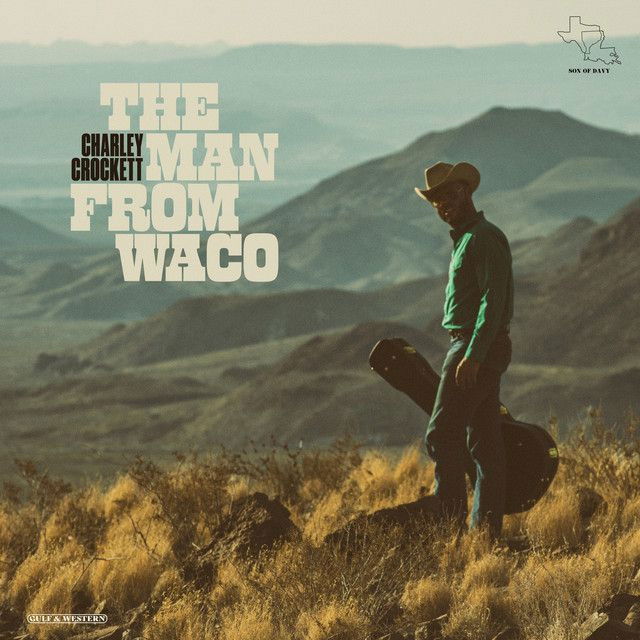
The Man from Waco by Charley Crockett
What does a single bad decision cost? The meaning of The Man from Waco Charley Crockett circles that question with a spare, haunting ballad. In under four minutes, it turns a jealous impulse into a legend of regret.
"The Man from Waco" - Charley Crockett
And sleep had escaped him, too consumed by his pride
Like the lonesome and high country he was lost in a haze
Loading lyrics...
Unable to load lyrics
We're unable to display the lyrics at this time. Please try again later.
A Ballad of Jealousy and Consequence
At heart, this song is a cautionary tale. A sleepless drifter, fueled by pride and suspicion, stumbles toward violence. The opening image—mirage of Del Rio
—sets a warped, heat-shimmered mood. Soon, we learn that sleep had escaped him
, and he is already losing to his own thoughts.
Interpretation: Crockett and co-writers Bruce Robison, Kullen Fuchs, and Taylor Grace sketch how unprocessed rage narrows a person’s world until only one choice seems possible. The result is not triumph, but a stain that time and distance cannot lift.
Who Tells This Western Noir?
The song is narrated in third person, which matters. Instead of a confession, we hear an observer pass down a local myth—“the man” becomes a type, not a name. Phrases like lost in a haze
frame him as someone already half-swallowed by his own story.
Because the voice stays outside the character, the song keeps a moral distance. It encourages listeners to watch, judge, and learn, rather than to justify what happens next.
The Story, Beat by Beat
- Restless onset: He wanders through near-silent streets, primed by pride and fear. The neon glow feels like a warning more than a welcome.
- The barroom moment: He enters, hears music, and sees a lover’s embrace. In a blink, he fires—
shot her while the lovers were embraced
—killing the wrong person. - Flight and grief: He flees, sobbing through the night. Rain falls, but his shame clings.
- The river’s verdict: He reaches the Brazos—
On the banks of the Brazos
—hoping nature might erase the mark.
Each beat is cinematic, but the action is simple. The complexity lies in the cost.
Images That Do the Heavy Lifting
Water threads the song: mirage, rain, river. But it is not cleansing. Even as storms come, the narrator reminds us the past won’t rinse away. The lyric’s stark verdict—You will never get away
—lands like a sentence.
Here the writers state the moral most clearly:
A moment of burning anger can curse the living through the days You can let that river take you but you will never get away
Interpretation: The river (and by extension, history) knows more than it says. It carries people forward but also carries memory. The desert willow and Brazos are Texas markers, yet the warning travels well: rage feels decisive, but it binds you to the very moment you wanted to escape.
How the Sound Deepens the Shadow
Production choices underscore the story’s weight. Crockett’s vocal sits high and unadorned, like a town crier delivering bad news. The tempo is measured, almost procession-like, which gives space for the tragedy to register.
Horns add a borderlands hue, echoing Texas-Mexico currents and evoking a dusty, cinematic frame. Reviewers have noted that the title track’s mariachi-tinged brass and live-band feel help sell the outlaw narrative and keep the song vivid even as the lyric stays lean. The arrangement resists flash; guitars and rhythm lock into a steady lope, letting the lyric’s plain talk do the cutting.
Alternate Readings Worth Considering
- Interpretation: Myth of the American drifter. The man from Waco is more symbol than person—a warning passed down in a voice that could belong to any small town along a river.
- Interpretation: A study in unintended consequences. The line about the intended target suggests he meant to shoot the rival, not the lover. That detail reframes the song as a critique of impulsive “justice.” Rage is sloppy; harm lands where it shouldn’t.
- Interpretation: Water as witness, not absolution. The mirage, rain, and river form a trio that looks like cleansing but isn’t. Nature observes; it doesn’t forgive.
Final Takeaway for Listeners
The meaning of The Man from Waco Charley Crockett is simple and searing: pride and suspicion push a person to act, but guilt becomes the lifelong companion. The river keeps moving; the man does not.
If the song sticks with people, it’s because it reads like a legend you might hear on a porch at dusk—spare, tuneful, and heavy with consequence.
Disclaimer: Song meanings are subjective and can vary by listener; this analysis reflects one informed interpretation.








