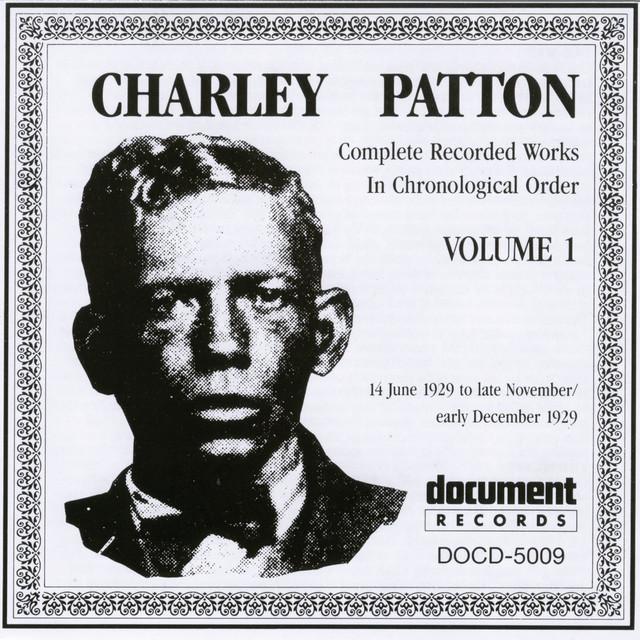
Why “Down The Dirt Road Blues” Feels So Restless
The meaning of Down The Dirt Road Blues Charley Patton starts with motion, but not freedom. The singer is always talking about leaving, traveling, or needing someone to carry them forward. Yet the song does not sound triumphant. It sounds tense, suspicious, and worn down.
"Down The Dirt Road Blues" - Charley Patton
I'm goin' away, to a world unknown
I'm worried now, but I won't be worried long
Loading lyrics...
Unable to load lyrics
We're unable to display the lyrics at this time. Please try again later.
That tension is what makes the record powerful. Patton, one of the key early Delta blues artists, recorded songs that often mixed personal trouble with wider social pressure. According to the Encyclopaedia Britannica, they were central to the development of Delta blues. In this song, the dirt road is not just a road. It feels like a symbol of unstable life itself.
A Blues of Leaving Without Escape
At the surface level, the narrator says they are going away to an unknown place. The short phrase world unknown
matters because it suggests fear as much as possibility. This is not a romantic trip. It is a move made under stress.
Right after that, the song pairs uncertainty with a promise that the worry will not last. That could mean hope. It could also mean numbness, as if the singer has been hurt so often that worry has become routine.
Interpretation: the song is about trying to escape emotional pain when no safe destination is visible. The dirt road offers movement, but not a clear answer.

Watch the official Down The Dirt Road Blues
music video
Jealousy, Secrecy, and Mistrust
Another important thread is mistrust in a relationship. The narrator believes their partner is hiding something. Patton does not explain the secret in detail, and that vagueness is important. The song captures the feeling of suspicion before facts are known.
When the singer answers hidden trouble with somethin' to find
, the tone turns sharp and threatening. In plain language, the narrator seems ready to confront whatever is being concealed. This is one reason the song feels dangerous. It is not only sad; it is edged with anger.
That mix of pain and aggression is common in blues storytelling. The singer is hurt, but they also want power back. The emotional center of the song is not calm heartbreak. It is wounded pride.
The Images of Violence Matter
Patton uses striking images that make everyday distress feel physical. When the singer says they feel like chopping, with chips flyin' everywhere
, the image suggests explosive emotion. It sounds like frustration so strong it needs an outlet.
Later, the line about every day seeming like murder here
pushes the mood even further. This may not mean literal violence in every moment. More likely, it describes a place or life that feels unbearable, hostile, and spiritually crushing.
Can't go down any dirt road
by myself
This short moment may be the song's emotional key. After all the bluster, the narrator admits vulnerability. They can talk tough, but they do not want to face the road alone.
What the Dirt Road Symbol Suggests
The road image is simple, but it does a lot of work. In blues songs, roads often suggest travel, change, poverty, danger, and the search for relief. A dirt road is even more specific than a highway or railroad. It feels rural, rough, and uncertain.
Here, the road seems to stand for a hard life with no smooth path out. The narrator can leave, but leaving does not guarantee safety. They even suggest that someone else will have to carry them. That idea may be literal, emotional, or both.
Interpretation: the dirt road symbolizes dependence as much as movement. The singer wants escape, but they also reveal limits, fear, and exhaustion.
How Patton’s Sound Deepens the Meaning
The meaning of Down The Dirt Road Blues Charley Patton also comes from how it sounds. Patton’s recordings are known for forceful guitar, rough rhythmic drive, and a vocal style that can sound conversational one second and commanding the next. Their profile at the Mississippi Blues Trail notes their huge influence and dramatic performance style.
That style matters here. The guitar does not create a soft or dreamy mood. It pushes the song forward like footsteps on uneven ground. The voice can sound half-sung, half-spoken, which makes the narrator feel immediate and unpredictable.
The spoken asides are especially revealing. They break the song’s surface and add personality, humor, and strain at the same time. Instead of sounding polished, the performance sounds lived-in. That roughness supports the lyric’s themes of instability and pressure.
A Personal Trouble Song With Bigger Shadows
Some lines hint at more than relationship drama. References to travel, staying nowhere for long, and life feeling unbearable can reflect broader conditions in the rural South, where blues often turned daily hardship into art. Patton recorded in the late 1920s, and many listeners hear that larger backdrop in their music, even when a song stays personal.
Still, it is best not to force one single meaning onto every line. The song works because it remains flexible. It can be heard as:
- a jealousy song
- a leaving song
- a portrait of emotional burnout
- a survival song from a hard environment
All four readings fit the same performance.
Why the Song Still Connects
What lasts about this song is its honesty about mixed feelings. The narrator wants out, wants answers, wants control, and wants help, all at once. That contradiction feels human.
So the meaning of Down The Dirt Road Blues Charley Patton is not just about travel down a country road. It is about moving through fear, mistrust, anger, and need without ever finding full certainty. Patton turns that confusion into a gripping blues performance.
Disclaimer: This interpretation is based on the recorded lyric, performance style, and historical context. As with many early blues songs, some meanings remain open to listener interpretation.







