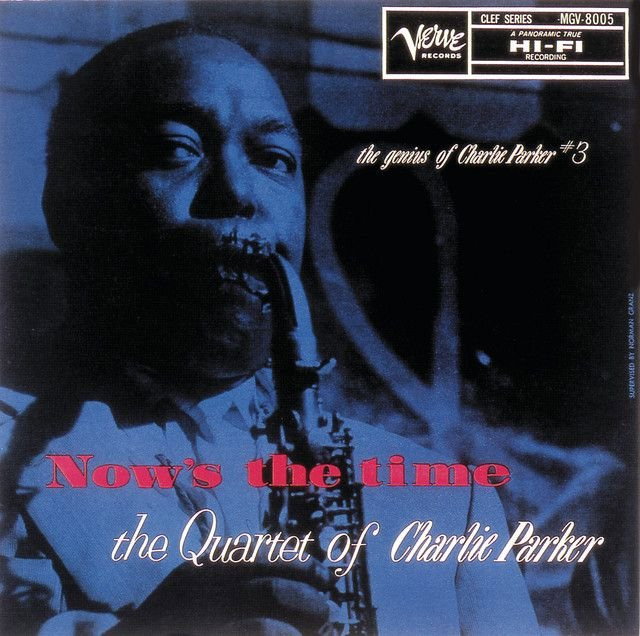
Confirmation by Parker
The meaning of Confirmation Parker seems to turn on one simple but powerful idea: people want certainty, especially when their emotions feel unstable. Even before the lyrics are fully pinned down, the title points to proof, reassurance, and the wish to hear that a fear or a hope is real.
"Confirmation" - Parker
ากน ากา ื นไจ งหบ าหน
รหรา บไข าหส ฟผยว
Loading lyrics...
Unable to load lyrics
We're unable to display the lyrics at this time. Please try again later.
Because the lyric text provided appears garbled, this reading has to stay careful. Rather than pretending every word is clear, the strongest approach is to look at what is visible: repetition, structure, and the dramatic weight carried by a title like “Confirmation.” That gives the song a mood of circling thought, as if the speaker keeps coming back to the same question and cannot let it go.
Why the Title Matters So Much
“Confirmation” is a loaded word. It can mean validation, evidence, or a final answer. In emotional songs, that usually points to a person who feels suspended between doubt and belief.
Interpretation: Parker’s song may be about needing someone else to settle an inner conflict. In that sense, confirmation is not just information. It is relief. It is the thing that ends uncertainty.
That makes the title feel almost tense. If someone needs confirmation, it means they do not already have peace. The song’s emotional engine, then, is likely the gap between what they suspect and what they need to hear.
Watch the official Confirmation
music video
A Song Built on Repetition and Pressure
Even with the text issues, one thing stands out: repeated lines and repeated patterns. The opening section appears, then returns almost exactly. That kind of structure often signals obsession, memory, or emotional stalemate.
Instead of moving through a long story, the song seems to loop. That loop matters. It suggests a speaker who is stuck in a moment of waiting, testing, or replaying events.
Interpretation: The repeated shape may mirror the mind under stress. When people want certainty, they often repeat the same thoughts to themselves. They check, re-check, and listen for clues. The song’s form supports that feeling.
What the Voice Seems to Be Doing
The available text does not allow a precise close reading of every line. Still, the overall design suggests a single emotional center rather than a broad narrative with many characters.
That is why the article reads the song as inward-facing. Even if another person is involved, the real drama may be happening inside the speaker: hope pushing against fear.
In songs like this, the listener often hears not a clean statement but a state of mind. The song may be less about action and more about emotional verification: Do they mean it? Is this real? Am I right to believe what I feel?
How Barry and Bricusse Shape the Meaning
The writing credit matters here. John Barry and Leslie Bricusse were major songwriters whose work often carried a rich, cinematic polish and strong dramatic clarity. Barry is widely known for sweeping film composition, including work associated with the James Bond franchise, while Bricusse built a long career in lyric writing for film, stage, and pop standards. Those are well-documented parts of their careers on sources such as the John Barry official site and reference overviews like Britannica’s Leslie Bricusse entry.
That context helps. Writers like Barry and Bricusse usually build songs where mood does major storytelling work. So even if the lyric text here is incomplete, the likely meaning still comes through in the architecture: emotional suspense, repetition, and a title that points to judgment or proof.
How the Sound Likely Carries the Theme
Without a verified production credit list, it is safest not to overstate arrangement details. Still, a Barry-associated composition usually invites attention to atmosphere. Their songs often rely on elegant harmonic movement, a sense of lift, and a carefully controlled emotional swell.
Interpretation: If “Confirmation” follows that pattern, the music probably supports uncertainty rather than resolving it too quickly. Slow-building chords, a restrained vocal, or a lingering melodic phrase would all fit the song’s central concern with waiting for an answer.
This matters because songs about certainty often sound unresolved on purpose. The listener feels the delay. The music does not simply describe anxiety; it enacts it.
The Best Way to Read the Song
For most listeners, the best reading is emotional rather than literal. The meaning of Confirmation Parker is likely about the need to have feelings verified—by a lover, by events, or by one’s own conscience.
A few connected ideas stand out:
- Validation: the desire to have an inner belief confirmed.
- Doubt: the fear that the hoped-for answer may never come.
- Repetition: a sign of mental and emotional looping.
- Suspense: the space between suspicion and proof.
That combination makes the song relatable. Everyone knows the feeling of waiting for a sign, a reply, or a final piece of truth.
Alternate Readings Worth Considering
There is more than one plausible angle.
Interpretation 1: The song is about romance. In this reading, confirmation means wanting commitment, honesty, or emotional clarity from another person.
Interpretation 2: The song is about self-belief. Here, confirmation is inward. The speaker may be looking for evidence that their instincts are correct or that their identity is secure.
Both readings fit the title, and the repeated structure helps both. In either case, the song lives in uncertainty.
Final Thought on “Confirmation”
What makes this song interesting is not a flood of detail but the pressure of its central idea. “Confirmation” seems to understand that certainty is emotional currency. People chase it because doubt is exhausting.
That is why the song lingers. It captures the moment before the answer arrives—and the uneasy truth that sometimes the waiting becomes the whole story.
Disclaimer: This interpretation is based on the provided title, credited writers, and the visible repetitive structure of the supplied lyrics. Because the lyric text appears corrupted or incomplete, some conclusions are interpretive rather than definitive.








