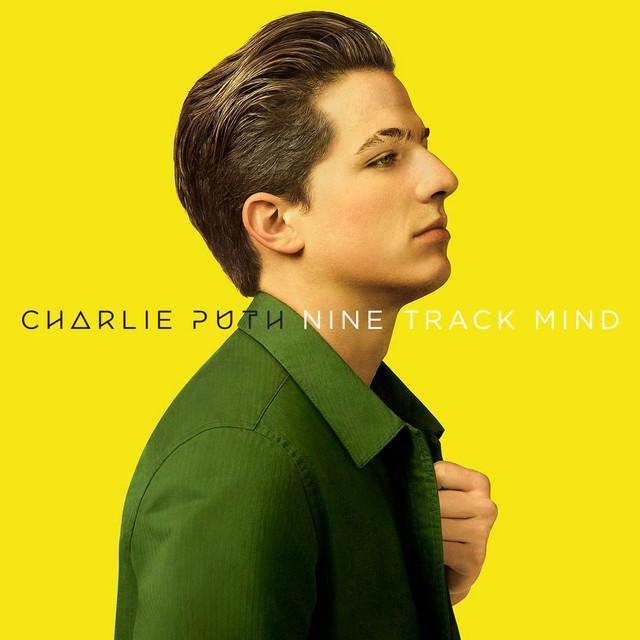
We Don't Talk Anymore by Charlie Puth, Selena Gomez
They all know the feeling: the relationship ends, but the silence is louder than the breakup. The meaning of We Don't Talk Anymore Charlie Puth, Selena Gomez sits in that gap—when two people still care, but the line between them is cut.
"We Don't Talk Anymore" - Charlie Puth ft. Selena Gomez
We don't talk anymore
We don't talk anymore
Loading lyrics...
Unable to load lyrics
We're unable to display the lyrics at this time. Please try again later.
Ghosted by Silence: What This Duet Really Says
At its core, the song is about the ache of distance after intimacy. The hook—we don't talk anymore
—is not just a complaint. It’s a diagnosis. Communication was once the lifeline; now it’s the wound.
Both singers sit in a gray zone between regret and self-protection. They remember shared routines and compare them to new partners, circling back to the same sting: like we used to do
. The refrain turns the past into a benchmark they can’t meet again.

Watch the official We Don't Talk Anymore
music video
Two Voices, One Unsent Text
This is a two-person monologue. He wonders about what she’s wearing and who is holding her. She mirrors that curiosity. Instead of closure, they spiral.
I just heard you found the one
I wish I would have known
Even after all this time I still wonder
Why I can't move on
These lines set the conflict: the mind keeps reaching out, but the mouth won’t. Their pride—or fear—makes them quiet when a simple call could ease the pain.
A Simple Story Told in Missed Calls
Here’s the narrative, beat by beat:
- Post-breakup, one hears the other has moved on.
- Jealous thoughts surge—
don't wanna know
—even as they avoid contact. - Old memories trigger the addictive cycle:
can't get you out of my brain
. - Self-blame creeps in:
should've known your love was a game
. - The chorus lands: they repeat the loss until it becomes routine.
The timeline is simple, but the repetition shows how grief loops back on itself.
Why the Chorus Hurts So Good
The chorus does more than repeat a catchphrase. It reframes each verse, reminding them that the real breakup isn’t romantic—it’s practical. They stopped talking. The phrase like we used to do
measures everything against a former normal. Interpretation: they miss the friendship as much as the love. That everyday rhythm is the irreplaceable part.
Images That Sting: Dress, Eyes, and “The Game”
Jealousy arrives in flashes: a dress, a gaze, a tight hold. These small details make the scenario feel real without naming names. When he says should've known your love was a game
, he hints at the thrill and risk of their bond—rules, winners, losers. The word “game” admits he played too.
The line can't get you out of my brain
pairs with the “overdose” image to suggest emotional addiction. Interpretation: the relationship delivered highs that now crash as withdrawal. Even the thought of showing up at the door is tempting, but fear of being wrong keeps them apart.
Breezy Beat, Heavy Heart: Production as Storytelling
The production leans tropical-pop: a clean, plucked guitar loop, soft percussion, and airy synth touches. The tempo is steady and relaxed, which makes the sadness feel casual and lived-in. That lightness is key; it mirrors how people often carry heavy feelings under a bright surface.
Charlie Puth’s arrangement separates their voices so they often answer rather than overlap, like two texts arriving minutes apart. When they finally harmonize, it feels like a near-connection that still doesn’t resolve. The minimal beat leaves space for the hook to echo—just like the empty space between them. They keep the mix uncluttered, so the words land clear and close.
Alternate Takes You Might Hear
Interpretation 1: It’s a jealousy song. The details (the dress, the tight hold) point to comparison and fear of being replaced. In this reading, the silence protects their egos.
Interpretation 2: It’s a boundary song. They know that talking again could restart a cycle that hurt them both. The repetition of we don't talk anymore
becomes a mantra to keep from relapsing.
Both readings fit because the song never names a villain. It sits in the space where both are a little right and a little wrong.
The Quiet Lesson
The meaning of We Don't Talk Anymore Charlie Puth, Selena Gomez lands in one simple truth: distance can be a choice and a consequence. The song shows how silence preserves pride but blocks healing.
By pairing a breezy groove with raw thoughts, the track captures the modern breakup perfectly. They aren’t screaming. They’re scrolling—and staying quiet.
Disclaimer: Song meanings are interpretive and may differ from the artists’ intentions.