What 'Zoot Suit Riot' Is Really Celebrating
The meaning of Zoot Suit Riot Cherry Poppin’ Daddies starts with a tension that makes the song memorable: it sounds like a party record, but it borrows its title and part of its imagery from a much darker piece of American history. That push-and-pull is the key to why the song still gets discussed.
"Zoot Suit Riot" - Cherry Poppin’ Daddies
It's two sailors and they're on leave
Pipes and chains and swingin' hands
Loading lyrics...
Unable to load lyrics
We're unable to display the lyrics at this time. Please try again later.
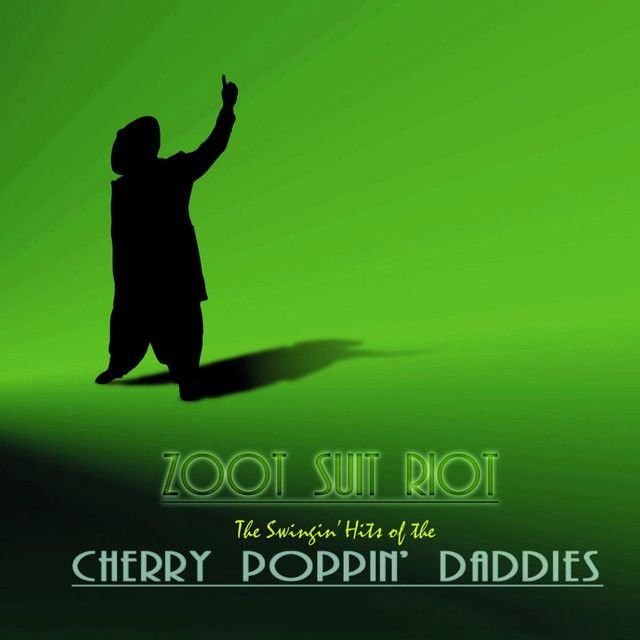
Released in 1997 as the signature single from Zoot Suit Riot: The Swingin' Hits of the Cherry Poppin' Daddies, the track became the band’s breakthrough during the late-1990s swing revival. According to widely cited background on the song, Steve Perry both wrote and produced it, and the recording was reportedly cut in one take.
A Dance Anthem With Historical Shadows
At its core, the song is not a documentary about the 1943 Los Angeles Zoot Suit Riots. Those riots were real, and they involved racist attacks on mostly Mexican American youths by servicemen and others. Historians generally describe the violence as racially driven, not just a fight over fashion.
But Perry later explained that the song was meant less as a history lesson and more as a scene anthem. He described it as a kind of rallying cry for swing culture and for people who felt outside the mainstream. That matters because it keeps the song from being misread as a simple novelty hit.
Interpretation: The track uses history as a style frame. It turns the zoot suit into a symbol of outsider pride, confidence, and communal identity.
Watch the official Zoot Suit Riot
music video
How the Lyrics Build a World
The opening creates a charged, cinematic setting with whispers, sailors, and menace. When the song mentions two sailors
, it introduces conflict right away. The figures feel less like fully drawn characters and more like symbols of pressure, judgment, or intrusion.
Elsewhere, phrases like Who's your daddy?
and Fat cat came to play
add swagger and threat at the same time. The speaker seems to move through a nightlife scene where bravado is part survival, part performance.
That is why the song feels theatrical. It is full of costumes, postures, and coded social roles. Even when the lyrics are playful, they suggest a contest over who belongs and who controls the room.
Why the Chorus Feels Bigger Than the Story
The chorus is the song’s engine. When they chant Zoot suit riot
, the phrase works like both a slogan and a dare. It is not just describing an event. It is creating a mood.
The lines about Throw back a bottle of beer
and coal black hair
deepen that mood with details of style and ritual. They evoke grooming, drinking, dancing, and group identity. In plain terms, the chorus turns a historical phrase into a living subculture badge.
Interpretation: This is why the hook can feel celebratory even though the title points to violence. The chorus transforms conflict into performance and belonging.
The Historical Link Matters
The title is not random. The real Zoot Suit Riots happened in Los Angeles in June 1943, when servicemen attacked young people associated with zoot-suit culture. The style itself had roots in Black urban fashion and later became strongly tied to Mexican American pachuco identity.
That history gives extra weight to a line like pull a comb
through carefully styled hair. On the surface, it is a cool visual detail. In context, it points to personal style as public identity. During the actual riots, that identity could make someone a target.
So while Perry said the song was not meant as overt political commentary, the historical reference still brings race, class, and cultural pride into the frame.
Sound First, Meaning Through Motion
A huge part of the meaning of Zoot Suit Riot Cherry Poppin’ Daddies lives in the arrangement. The song is modeled on 1940s jump blues, with punchy horns, a fast backbeat, and a vocal delivery that sounds half shout, half bandstand command.
That matters because the production makes the song feel communal. It invites a crowd response. The brass gives it flash, the rhythm section gives it momentum, and the clipped phrases make each line land like a call from the stage.
There is also a productive contradiction in the sound. The music feels joyful and kinetic, but the imagery carries danger. That contrast helps the song capture both the thrill and the defensiveness of being part of a subculture.
Why the One-Take Feel Fits
Reports about the recording say the track was done in one take. Whether or not a listener knows that fact, the performance sounds immediate and slightly unruly in a good way. It does not feel polished into safety. It feels like a band trying to catch a live spark.
A 1990s Song Looking Backward
The Cherry Poppin’ Daddies were not a pure retro act. They came from a mix of ska, punk, and swing, which helps explain why this song has more edge than a museum-piece revival track. It arrived just as swing culture was moving into the American mainstream, helped by films, clubs, radio, and MTV.
That context is important. The song is partly about the 1940s, but it is also about the 1990s swing revival wanting its own anthem. Perry’s comments suggest the band saw a link between zoot-suiters and modern swing fans: both groups could see themselves as stylish outsiders before the culture fully caught on.
Final Read on the Song
So what does the song mean? Most clearly, it means style can become identity, and identity can become solidarity. The track uses a loaded historical image to express pride in belonging to a scene that feels separate from the mainstream.
Interpretation: The song is best heard as a hybrid of tribute, fantasy, and dance-floor mythmaking. It is not a full account of history, but it does borrow real historical tension to give its swagger more weight.
That mix of danger, cool, and community is what makes the song endure.
Disclaimer: This interpretation separates documented artist comments and historical context from critical reading. Like many songs built on stylized imagery, “Zoot Suit Riot” supports more than one reasonable interpretation.








