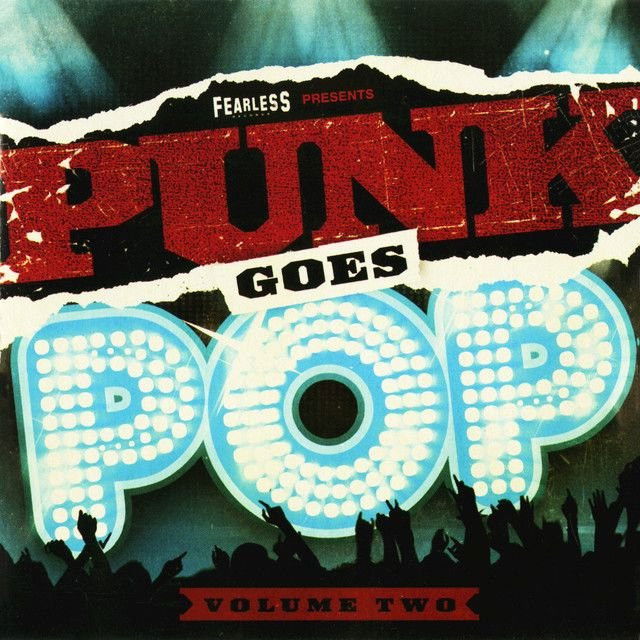
Flagpole Sitta by Chiodos
The meaning of Flagpole Sitta Chiodos starts with a key fact: Chiodos are performing a song made famous by Harvey Danger, whose original 1998 single became one of alternative rock’s sharpest portraits of irony, panic, and cultural burnout. According to widely cited release information, the song was written by Sean Nelson, Jeff J. Lin, Aaron Huffman, and Evan Sult, and first appeared on Where Have All the Merrymakers Gone?.
"Flagpole Sitta" - Chiodos
I was looking into the mirror
To see a little bit clearer
Loading lyrics...
Unable to load lyrics
We're unable to display the lyrics at this time. Please try again later.
A Cover That Turns Snark Into Panic
Chiodos do not rewrite the lyric’s core message, but they do change its emotional temperature. Harvey Danger’s version is tense, catchy, and sly. Chiodos, known for post-hardcore intensity, push the same words toward a more unstable and theatrical place.
That matters because the song is built on contradiction. The speaker claims I'm not sick
, yet almost every image suggests mental overload, disgust, lust, and paranoia. In the Chiodos approach, that contradiction can sound less like cool sarcasm and more like someone cracking under pressure.
Watch the official Flagpole Sitta
music video
The Central Meaning: Alienation in a Dumb World
At its heart, the song is about feeling trapped inside a culture that seems shallow, stupid, or fake while also feeling trapped inside one’s own head. That double frustration drives nearly every verse.
One section looks inward, with mirror imagery and talk of inner rottenness and evil
. The speaker is not presenting as a hero. They are self-aware, messy, and deeply uncomfortable with themselves.
Another section turns outward and lashes at society, especially with the line about stupid people are breeding
. That is not a calm political argument. It is a bitter, exaggerated outburst from someone who feels surrounded by idiocy. Interpretation: the song mocks both social decline and the speaker’s own smugness about it.
How the Verses Build a Frayed Persona
The lyric works almost like a series of emotional snapshots:
- They inspect themselves and do not like what they see.
- They shift into sexual memory and frustrated desire.
- They attack mass culture and conformity.
- They spiral into paranoia, hospitals, voices, and absurd exaggeration.
That movement gives the song its manic shape. It never settles long enough to become a tidy story. Instead, it sounds like an overactive mind bouncing between shame, anger, desire, and black comedy.
One of the most discussed passages uses the phrase run it up the flagpole
. In context, many listeners hear it as a sexual joke tied to loneliness and failed connection. The punchline is that no one ever does
, turning desire into embarrassment. The song repeatedly does this: it sets up swagger, then undercuts it.
Why the Chorus Hits So Hard
The chorus is famous because it compresses the whole song into one paradox. The speaker denies illness but clearly is not okay. Then they describe being so hot 'cause I'm in hell
, which blends misery, self-mockery, and melodrama.
Interpretation: this is not meant to be a medical statement. It is a dramatic way of saying they are overwhelmed, overstimulated, and stuck in a life that feels unbearable even while it may look normal from outside.
The later line about it being a sin to live so well sharpens that contradiction. The speaker seems aware of their own privilege, yet still feels spiritually miserable. That is a big reason the song has lasted: it captures the ugly feeling of having enough, yet feeling awful anyway.
Satire, Scene Fatigue, and 1990s Context
The original song has often been described as a smart, sarcastic response to the 1990s alternative scene becoming mainstream. Research on the song’s background notes that drummer Evan Sult connected it to the Seattle scene and its commercialization. Critics later called it a literate attack on modern stupidity and pop-culture emptiness.
That context helps explain the lines about zines, rage, and style choices. When the speaker says publish 'zines
, they are not simply listing hobbies. They are gesturing toward alternative subculture itself.
Interpretation: the song is partly making fun of the pose of rebellion. It knows that even anti-mainstream identity can become a costume.
How Chiodos’ Sound Changes the Reading
Musically, Harvey Danger’s recording is remembered for its punchy rhythm section, hooky riffing, and bright yet irritated alt-rock drive. Chiodos bring a harsher edge. Their style emphasizes vocal strain, sudden peaks, and emotional volatility.
That shift changes the listener’s experience in two ways:
The sarcasm feels more wounded
In a smoother alternative-rock setting, the lyric can sound arch and clever. In a post-hardcore setting, it feels closer to a breakdown.
The paranoia feels less comic
Late in the song, the repeated fear and mental noise can read as darkly funny in the original. Chiodos make those same ideas sound more urgent, which can push the song toward genuine distress.
Why the Song Still Connects
The song became a major 1998 hit, reaching No. 3 on Billboard’s Alternative Airplay chart and later staying alive through film use, TV placements, and covers. That staying power comes from how neatly it captures a familiar modern mood: too informed, too cynical, too self-aware, and still not okay.
For many listeners, the meaning of Flagpole Sitta Chiodos is that same old anxiety heard through a more explosive filter. The cover does not replace the original meaning. It intensifies it.
Final Take: A Joke With Teeth
The smartest way to read this song is as a satire that also hurts. It mocks society, subculture, desire, and the speaker’s own ego all at once. Chiodos make those tensions feel louder and rawer, but the core remains the same: a mind trying to laugh at its own collapse.
Disclaimer: This interpretation is based on the lyrics, the song’s release history, and commonly discussed critical context. As with any song, listeners may hear different meanings in specific lines.







