Why Chris Tomlin’s Song Still Rings With Hope
The meaning of How Can I Keep From Singing Chris Tomlin comes down to one big idea: praise is not just a reaction to easy days. In this song, worship becomes a steady answer to love, rescue, and trust. Even when life feels unstable, the singer treats gratitude as something that keeps rising.
"How Can I Keep From Singing" - Chris Tomlin
Echoes in my soul
I hear the music ring
Loading lyrics...
Unable to load lyrics
We're unable to display the lyrics at this time. Please try again later.
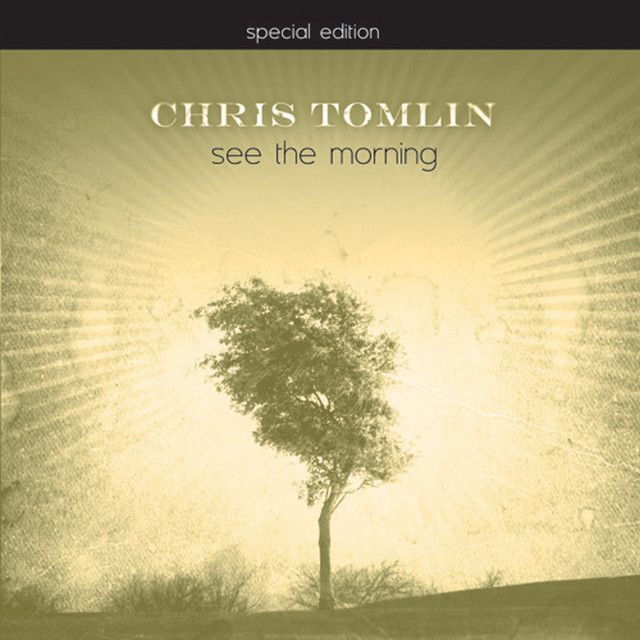
Chris Tomlin recorded the song for See the Morning, released in 2006, and the writing credits include Tomlin, Matt Redman, and Ed Cash, three major names in modern worship music. That team matters because each is known for songs that are simple to sing but emotionally direct. Their shared style helps explain why this track feels personal and congregational at the same time.
A Worship Song About Endurance, Not Escape
At the heart of the song is a refusal to let pain have the final word. The verses admit pressure and uncertainty, but they do not stay there. Instead, they move quickly toward trust, using images of weather, darkness, and solid ground to show that faith is tested in real life.
When the song mentions an endless song
, it suggests that worship is already present before the singer joins in. That image makes praise feel bigger than one person’s mood. It is less about forcing positivity and more about tuning in to a truth they believe is already there.
The line about storms reinforces that point. Trouble is not denied; it is expected. But the singer says they are holding on to the rock I cling
, a classic biblical image for stability. In plain terms, the song argues that spiritual security is possible even when emotional peace is not complete.
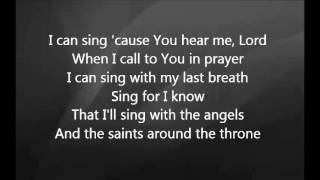
Watch the official How Can I Keep From Singing
music video
How the Chorus Turns Faith Into Action
The chorus is built around a repeated question, but it is really a statement. Asking How can I keep
from singing means the singer believes silence no longer fits their experience. They feel so overwhelmed by divine love that praise seems like the only honest response.
That is why the chorus lands so strongly in church settings. It takes a private feeling and turns it into a shared declaration. The phrase Your praise
keeps the focus upward, while the reference to being loved by the King adds both intimacy and majesty.
Interpretation: The chorus is not only about music. “Singing” stands for open devotion, public gratitude, and spiritual confidence. In that reading, the song asks how a transformed person could keep faith hidden.
From Dark Nights to Daily Stumbles
One reason the song connects so well is that it covers more than one kind of hardship. It speaks about the darkest night
, which points to fear, grief, or uncertainty. But it also talks about ordinary failure, like losing one’s step and falling again.
That mix is important. The song is not only for crisis moments. It is also for the everyday cycle of weakness, recovery, prayer, and trying again. By including both major suffering and small setbacks, the writers widen the song’s reach.
There is also a gentle movement in the lyrics:
- They sense praise already around them.
- They face storms without pretending they are easy.
- They choose to look up in darkness.
- They trust they will be carried through.
- They imagine praise lasting beyond death.
That final step gives the song its biggest horizon. Worship is not presented as temporary motivation but as something that stretches into eternity.
Why the Sound Makes the Message Stronger
The production helps carry the meaning. Tomlin’s worship recordings from this era often use acoustic guitar, piano, steady drums, and a gradual build toward a larger chorus, and this song fits that pattern. The arrangement starts with reflection and then expands, which mirrors the lyric idea that inward trust becomes outward praise.
Their vocal delivery matters too. Tomlin does not oversing the verses. They keep the tone clear and grounded, which makes the message feel accessible rather than dramatic. When the chorus opens up, the fuller band sound gives the impression of a room joining in.
Interpretation: That musical rise suggests that praise grows stronger when shared. The song begins like a personal testimony but ends like a community anthem.
The Writers’ Fingerprints Are Easy to Hear
Matt Redman and Ed Cash help explain why the song balances doctrine and feeling so well. Redman’s writing often centers on worship as a heart response, while Cash is known for polished, emotionally warm contemporary Christian production. Tomlin’s own catalog also leans toward direct language and singable hooks.
Together, they create a lyric that is easy to remember but still layered. It speaks of prayer, rescue, love, perseverance, and heaven without becoming dense or abstract. That simplicity is part of the song’s success, not a weakness.
A Lasting Message for Listeners
So what is the meaning of How Can I Keep From Singing Chris Tomlin? It is a song about praise that survives both suffering and success. It says worship is not just for the moment when life works out; it is also for the night, the stumble, the prayer, and the long wait.
That is why the song still resonates. It gives listeners a way to name trust before circumstances change. Instead of promising an easy life, it offers a steadier response to life as it is.
“I can sing with my last breath
Sing for I know
That I'll sing with the angels
And the saints around the throne”
Those lines widen the song from present struggle to eternal hope. In that closing vision, singing becomes more than a mood. It becomes a sign of belonging, endurance, and joy that outlasts fear.
Disclaimer: This interpretation is based on the song’s lyrics, recording style, and publicly known context. As with any song, listeners may hear meanings that differ from this reading.







