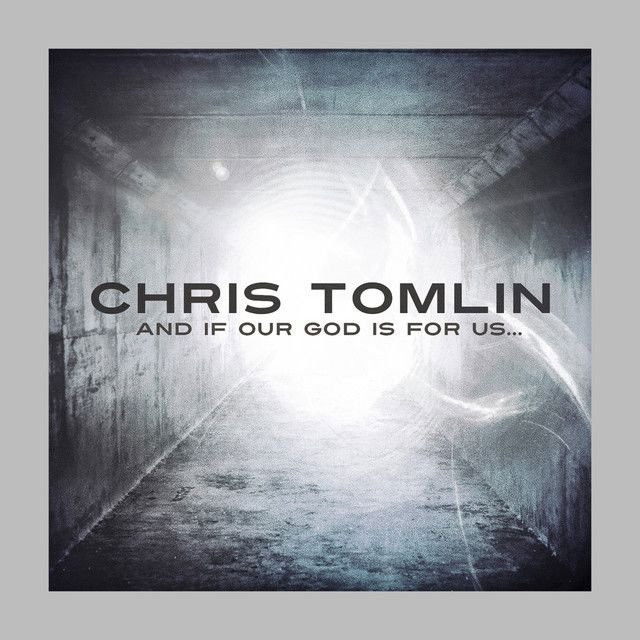
Why 'Our God' Still Lifts the Room
The meaning of Our God Chris Tomlin comes down to a simple idea: this is a worship anthem about God's unmatched power and His nearness in times of fear, weakness, and need. Rather than telling a detailed story, the song stacks images of miracle, light, healing, and victory until they become a shared confession.
"Our God" - Chris Tomlin
Opened the eyes of the blind
There's no one like You
Loading lyrics...
Unable to load lyrics
We're unable to display the lyrics at this time. Please try again later.
Chris Tomlin has long been known for writing congregational worship songs built for large groups to sing together, and “Our God” fits that pattern. It was written by Chris Tomlin, Jesse Reeves, Jonas Myrin, and Matt Redman, all major names in modern worship music. The song appeared during a period when Tomlin was helping define the sound of contemporary church music in the U.S. through widely used songs and live worship albums.
A Worship Song Built on Confidence
At its core, the song argues that God's character is not abstract. The opening lines point to action. They reference transformation and healing through brief miracle images like turned into wine
and opened the eyes
. Those images quickly establish a God who does not only rule from a distance; He changes human reality.
That matters because the song then shifts from what God has done to what believers can trust now. The image into the darkness You shine
suggests guidance, presence, and rescue. Then out of the ashes we rise
adds a second movement: not just comfort in suffering, but restoration after it.
Interpretation: The song is not mainly trying to prove theological points one by one. It is trying to create assurance. Each line builds emotional momentum toward trust.

Watch the official Our God
music video
How the Verses Set Up the Chorus
The verses are short, but they do important work. They move through three ideas in order:
- God has acted in miraculous ways.
- God still brings light into dark places.
- God lifts people from ruin into hope.
Because of that structure, the chorus does not feel random. It sounds like a conclusion. After the verses present evidence, the chorus answers with praise: God is greater
, stronger
, and a healer. Those repeated words are simple enough for a congregation to remember, but broad enough to cover many personal situations.
This is one reason the song has lasted. It does not get stuck in one narrow crisis. Someone grieving, someone anxious, and someone thankful can all sing it honestly.
The Most Important Shift: From "You" to "Our"
One of the smartest parts of the song is right in the title. It does not say “my God.” It says “our God.” That one word turns private belief into shared identity.
In worship terms, that matters a lot. The song is designed less as a diary entry and more as a collective statement. Even when the lines address God directly, the repeated title keeps bringing the room back together. The meaning of Our God Chris Tomlin is therefore both devotional and communal.
Interpretation: This shared language may help explain why the song works so well in churches, conferences, and arena-style worship settings. It gives individuals a way to express faith while making them feel part of something larger.
The Bridge Turns Belief into Defiance
If the verses build trust and the chorus builds praise, the bridge adds courage. It asks what can really stand against people if God is for them. That idea echoes a well-known biblical theme from Romans 8, where confidence comes not from human strength but from divine support.
Here the song becomes almost confrontational in a healthy way. It is not attacking other people. Instead, it challenges fear, doubt, suffering, and spiritual defeat. The repeated question works because it does not need a long answer. The point is that opposition loses its final claim when God is present.
If our God is for us
what can stand against?
That short section is the emotional peak of the song. It takes worship from admiration to bold trust.
How the Sound Carries the Message
The production style also shapes the song’s meaning. “Our God” sits in the modern worship/pop-rock lane: strong drums, bright guitars, a steady build, and a chorus meant for mass singing. The arrangement starts with clarity and then expands, making the song feel larger as its message becomes more certain.
That musical rise mirrors the lyric’s movement from testimony to triumph. Soft reflection would not carry the same force here. The bigger sound helps the song feel public, confident, and unifying.
Tomlin’s vocal delivery matters too. They sing with control rather than theatrical excess, which keeps the focus on participation. In other words, the song sounds designed for others to join, not just to watch.
Why the Song Still Connects
Part of the song’s staying power is its plain language. There are no complicated metaphors to decode. Light means hope. Ashes suggest devastation. Healing means restoration. Greatness and strength point to God’s supremacy. That clarity makes the song accessible across ages and denominations.
It also balances transcendence and intimacy. God is presented as higher than anything else, yet still active in human pain. That combination is central to its appeal. A God who is only powerful might feel distant; a God who is only comforting might feel limited. “Our God” insists on both.
Final Take on the Song's Message
The meaning of Our God Chris Tomlin is best understood as a communal declaration that God's power is not just impressive, but protective, healing, and present. The song begins with miracles, moves through darkness and renewal, and ends in fearless confidence.
That is why it still works years later: it gives worshipers a way to name suffering without letting suffering have the last word.
Disclaimer: Song meaning can include interpretation. The analysis above separates clear lyrical themes from reasonable readings of how the song functions emotionally and spiritually.









