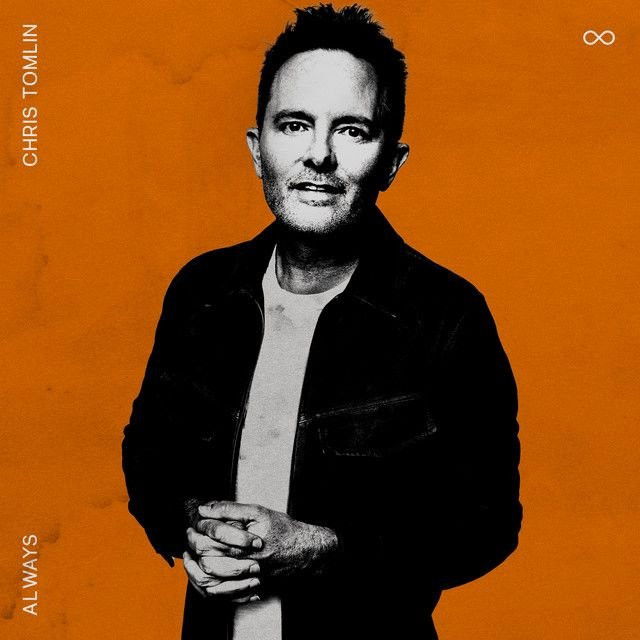
Strongholds by Chris Tomlin
Why This Song Hits So Directly
The meaning of Strongholds Chris Tomlin centers on spiritual victory. The song frames fear, lies, addiction, evil, and despair as forces that do not get the final word. Instead, it presents Jesus as the one who breaks what traps people and brings freedom where people feel stuck.
"Strongholds" - Chris Tomlin
Fear is coming down
Lies are coming down
Loading lyrics...
Unable to load lyrics
We're unable to display the lyrics at this time. Please try again later.
This is why the lyric keeps returning to images of collapse and release. When the song says walls are coming down
, it is not mainly talking about physical objects. It is using battle language and biblical imagery to say that inner prisons, false beliefs, and heavy burdens can be broken by God’s power.
In plain terms, this is a worship anthem about resistance, deliverance, and hope. It is meant to be sung out loud, almost like a communal statement of trust.
A Worship Song Built Like a Battle Cry
Chris Tomlin has long written congregational worship songs that aim for simplicity, repetition, and strong emotional lift. According to his official artist site, they are one of the most visible modern worship leaders in the U.S. That context matters here: “Strongholds” is not designed as a private diary entry. It is built for rooms full of people singing the same truth together.
The credited writers are Chris Tomlin, Ed Cash, and Louie Giglio. That team helps explain the song’s style. Ed Cash is known for polished contemporary Christian production, while Giglio’s ministry language often emphasizes God’s greatness, freedom, and victory in Christ. Those ideas run through every section of the song.
The Core Message Behind the Verses
The verses work by naming different kinds of oppression and then declaring their defeat. The list keeps growing: fear, idols, giants, darkness, mountains, and addictions. That structure matters because it widens the song’s reach. It suggests that “strongholds” can mean spiritual attack, emotional struggle, sinful patterns, or overwhelming life problems.
This is where the song becomes pastorally effective. It does not stay abstract. A listener dealing with anxiety may hear themselves in fear is coming down
. Someone facing destructive habits may hear the line about addictions and feel seen. Someone burdened by shame may connect with the song’s repeated insistence that evil and lies will not stand forever.
Interpretation: The song uses broad language on purpose. Rather than describe one specific story, it creates a shared space where many listeners can place their own struggle inside the lyric.
The Chorus Turns Belief Into Declaration
The chorus is the heart of the message. It moves from description to command, insisting that every obstacle must fall. The key phrase every stronghold must come down
works like a slogan, but in a positive sense. It is short, memorable, and easy for a congregation to repeat until it feels internalized.
Another key line is Jesus is undefeated
. That phrase sums up the theology of the whole song. The victory is not presented as human self-help or positive thinking. It rests on Christ’s power, not the singer’s willpower.
That is reinforced by the line about the battle belonging to the Lord, which echoes biblical language, especially themes found in Scripture passages about divine protection and victory. The song also borrows the idea of “no weapon” from Isaiah 54:17, a verse widely used in worship settings and sermons. For Tomlin’s audience, those echoes make the song sound grounded in familiar faith language rather than invented inspiration.
The Most Important Symbol: “Strongholds”
The title word carries the whole song. In Christian teaching, a stronghold often means something entrenched: a pattern of sin, a lie believed for years, a spiritual bondage, or a mindset that resists God.
So when the lyric says these things are falling, it is talking about more than bad moods. It imagines liberation at a deep level.
He holds the keys to freedom
He trampled death and grave
Those lines push the message beyond everyday encouragement. They connect personal freedom to the resurrection story. In other words, the song argues that the same Christ who defeated death can also defeat whatever now controls a person’s life.
How the Sound Carries the Meaning
Musically, “Strongholds” fits the modern worship formula that Tomlin and producer-circle collaborators have used for years: steady build, firm drums, bright guitars or keys, and a chorus designed to widen emotionally each time it returns. That production style matters because the song’s meaning depends on momentum.
The repeated rise in volume and intensity makes the theme of barriers falling feel physical. The arrangement does not wander. It marches. That gives the lyric confidence, even when the subject is pain or bondage.
Tomlin’s vocal style also shapes the message. They sing with clarity more than complexity, which helps a church crowd follow the words. The result is less about subtle irony and more about collective conviction. In live worship, that matters a lot.
For broader context on Tomlin’s career in church music, the Grammy profile shows how established they are in contemporary worship, which helps explain why songs like this are written to be immediately usable in congregations.
Two Useful Ways to Read the Song
One reading is straightforward: this is a song about spiritual warfare. Darkness, demons, lies, and fear are treated as real enemies, and Jesus is named as the victorious champion over them.
A second reading is more personal and psychological. Interpretation: even listeners who do not focus on spiritual warfare language may hear the song as a statement against anxiety, shame, dependency, and hopeless thinking. In that sense, the song becomes an anthem of recovery and resilience through faith.
Both readings can coexist, and that is likely part of the song’s appeal.
Final Take on Its Meaning
The meaning of Strongholds Chris Tomlin is simple but forceful: what binds people does not have to keep ruling them. Through images of falling walls, defeated darkness, and freedom won by Christ, the song turns Christian belief into a shouted declaration of hope.
Its power comes from repetition, biblical echoes, and a sound built for group singing. Interpretation disclaimer: song meaning can vary by listener, and this reading combines lyric analysis with broader Christian worship context rather than claiming a single official explanation.







