
Why 'Christine' Feels Beautifully Unsteady
For many listeners searching for the meaning of Christine Christine and the Queens, the song feels slippery at first. It sounds polished and catchy, yet the words keep returning to imbalance, confusion, and performance. That contrast is the key.
"Christine" - Christine and the Queens
Et j'ai le menton haut pour un rien
Mon œil qui pleure c'est à cause du vent
Loading lyrics...
Unable to load lyrics
We're unable to display the lyrics at this time. Please try again later.
Written by Héloïse Letissier and released on the debut Christine and the Queens project Chaleur Humaine, the song helped introduce their mix of French pop, art-pop, and identity-focused songwriting. Public artist materials and album credits identify Letissier as the creative force behind the project and the writer of the song. The result is a track that turns fragility into style without making that fragility seem small.
The Heart of the Song: A Self That Won't Stay Still
At its core, “Christine” is about living in a body and a public image that do not feel fully settled. The speaker sounds defiant, but also deeply unsure. Early lines present someone who acts composed while quietly revealing emotional disarray.
When the song says Je ne tiens pas debout
, it gives that feeling a physical shape. In plain terms, they cannot keep steady. This is not just about weakness; it is about existing in a world that keeps shifting under them.
The repeated image Le ciel coule sur mes mains
pushes that idea further. The sky, something vast and fixed, suddenly becomes liquid and touchable. Interpretation: this surreal image suggests their reality is unstable, as if even the biggest things in life cannot hold their shape.
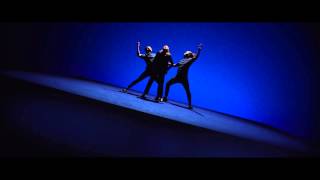
Watch the official Christine
music video
A Character Built From Pose and Feeling
One reason the song is so striking is that it balances poise with exposure. The speaker admits to habits that sound performative and defensive, like starting books at the end or holding their chin high over almost nothing. Those details suggest someone trying to stay ahead of hurt.
Then the song undercuts that pose. A line like Mon œil qui pleure
quickly blames tears on the wind, which sounds like a small denial. They are feeling deeply, but they are also trying to explain those feelings away.
That is central to the meaning of Christine Christine and the Queens: identity is shown as something half-lived, half-performed. The song does not mock that performance. Instead, it treats self-styling as a survival tool.
The Chorus Turns Emotion Into Gravity
The chorus is simple, but it does a lot of work. Each return to not standing upright makes the song feel less like a story and more like a state of being. The person in the song is not having one bad moment. They are stuck inside a condition of emotional tilt.
The line about the sky returning beneath their feet adds a strange reversal. Normally, the sky is above. Here, the world flips. Interpretation: that upside-down image may reflect anxiety, dissociation, or the shock of becoming someone new before they know how to live as that self.
This is why the hook lingers. It describes instability without using clinical or direct language. Instead, the song lets listeners feel dizziness through metaphor.
Outsiders, Style, and a Shared Mask
Midway through, the song widens from “I” to a group. Suddenly there is a sense of collective identity: odd children, broken poses, damaged elegance. That shift matters because the song stops sounding like one person’s private breakdown and starts sounding like a portrait of outsiders building a scene together.
The imagery is sharp. Bodies seem folded Comme des origamis
, beautiful but fragile. The group is stylized, wounded, and aware of being watched.
Then comes the makeup image, with make up
paired with mercurochrome, a red antiseptic. That detail blends beauty with injury. Interpretation: makeup here is not just glamour. It may be a way to dress the wound, protect the self, or turn damage into art.
How the Sound Hides and Reveals the Pain
Part of the song’s brilliance is musical. The production is crisp, danceable, and controlled. The beat gives the track a modern pop frame, while the vocal delivery stays cool and light rather than dramatic.
That matters because the music does not collapse under the lyrics’ anxiety. It keeps moving. The polished arrangement creates a mask, much like the speaker’s own composure.
This is a familiar strength in Christine and the Queens’ work: emotionally complex writing carried by sleek pop design. In “Christine,” that creates a tension between surface confidence and inner disorientation. The song feels elegant, but the person inside it is still trying not to fall.
A Few Strong Readings of the Song
There is no single locked meaning, but a few readings are especially persuasive:
- Identity formation: the song can be heard as documenting the unstable process of becoming oneself.
- Performance as protection: style, posture, and makeup all function like armor.
- Outsider community: the move from “I” to “we” suggests that strange or marginalized people often recognize each other through shared artifice.
- Gender and self-presentation: given the artist’s broader work, some listeners also hear the song as engaging with gender expression and the labor of being visible.
These are interpretations, not hard facts. But they fit the song’s language and mood very well.
Why “Christine” Still Connects
What keeps “Christine” powerful is its honesty about how selfhood can feel. The song understands that identity is not always a clean declaration. Sometimes it feels off-balance, theatrical, defensive, and beautiful all at once.
That is the lasting meaning of Christine Christine and the Queens: it turns uncertainty into a pop language listeners can dance to, even while it describes a person whose world will not quite hold still.
Interpretation disclaimer: Song meanings are never completely fixed. This reading is based on the lyrics, the song’s sound, and the artist’s broader themes, but listeners may reasonably hear it differently.







