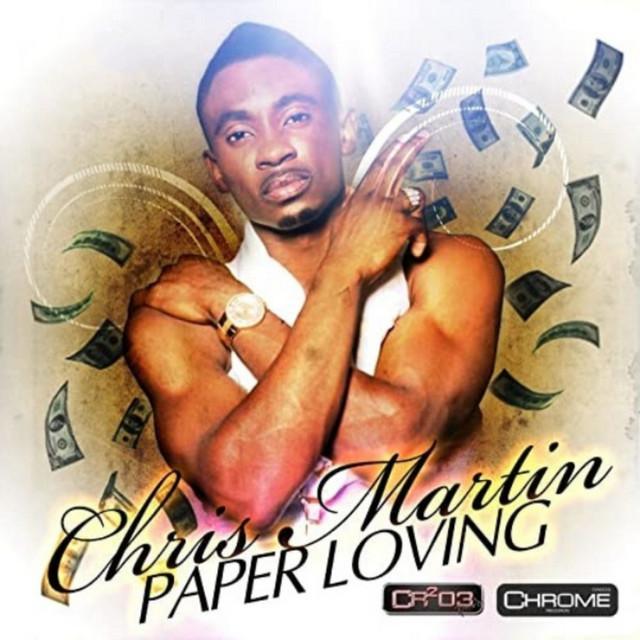
Paper Loving by Christopher Martin
The meaning of Paper Loving Christopher Martin centers on a painful question: can love survive when money enters the picture? In this song, they present a speaker who feels genuinely loved, yet also fears that affection may disappear when a richer option appears. That tension gives the track its emotional pull.
"Paper Loving" - Christopher Martin
She know mi treat her better than her man (whoa)
But she a worry 'bout the millions, the millions, the millions
Loading lyrics...
Unable to load lyrics
We're unable to display the lyrics at this time. Please try again later.
Christopher Martin is a Jamaican reggae and dancehall singer-songwriter who rose to wider attention after winning Digicel Rising Stars in 2005 and later built a catalog that blends romance, melody, and streetwise realism. He has been associated with reggae, dancehall, and reggae fusion, and has worked with producers including Christopher Birch, who is also credited as a writer here alongside Martin and Shaun Chablal. Those broad career facts are widely summarized in public artist biographies.[^1]
The Heartbreak Hides Inside a Warning
At its core, the song is about conditional love. The narrator believes the woman cares for him now, but not enough to choose him over status and financial security. He is not only hurt; he is preparing himself. That is why the chorus lands as a warning instead of a plea.
When they sing love di paper
, the phrase reduces the conflict to its bluntest form: money has become the rival. The larger idea, paraphrased, is that if someone only values a partner after success arrives, then the relationship was never built on love alone.
Interpretation: The song is not rejecting ambition or stability. It is rejecting the kind of affection that appears only when someone becomes useful, famous, or rich.

Watch the official Paper Loving
music video
Who Speaks, and Why They Sound So Guarded
The voice is personal and direct. Even though the article discusses the song in third person, the lyric speaker addresses one woman very closely and tries to force honesty out into the open. They ask, in effect, whether she loves him or the life that another man can provide.
Short phrases like treat her better
and money man
frame the conflict. One side offers emotional care; the other offers financial comfort. The song never pretends that this choice is simple. In fact, one of its strongest details is that the woman’s desire for stability is acknowledged before it is criticized.
That balance matters. The narrator is wounded, but they are not totally blind. They understand why fast money, bright city life, and security might pull someone away.
How the Verses Build the Story
The narrative moves in clear steps:
- He claims she knows he loves her better.
- He senses she is still drawn to wealth.
- He predicts future success for himself.
- He sets a boundary: do not return later for the benefits.
The hook, with phrases like Don’t love me later
and much greater
, turns future success into a test of sincerity. If she comes back only after he rises, he will read that as proof that she wanted the lifestyle, not the person.
There is also a deeper bruise beneath the pride. The later verse about giving away pieces of his heart suggests this is not casual jealousy. He feels already invested, which makes the possible betrayal sting more.
Money, Vanity, and the Song’s Moral Lens
One of the strongest ideas in the track is that material desire can distort judgment. The lyrics connect wealth to image, nightlife, vanity, and a kind of moral drift. The woman is not portrayed as evil, but as someone in danger of losing herself.
A short phrase such as sell your soul
shows how serious the narrator thinks this choice is. That language raises the emotional stakes. For him, choosing money over honest love is not just disappointing. It is spiritually damaging.
Interpretation: This may also reflect a broader social theme common in reggae and dancehall love songs: the pressure to measure worth through visible success. Here, romance becomes a place where class anxiety and pride collide.
Why the Chorus Feels So Memorable
The chorus works because it is both simple and sharp. It repeats the same condition in slightly different forms, almost like a rule the narrator must keep repeating to protect himself. The repeated contrast between now and later is the whole song in miniature.
If you can't love me now
Don't love me later
That brief two-line idea is the song’s emotional law. Paraphrased, it means that delayed affection is not always proof of growth; sometimes it is proof of opportunism.
Sound, Style, and Christopher Martin’s Delivery
Christopher Martin’s strength has long been his ability to deliver romantic conflict with smooth phrasing rather than aggression. That matters here. A harder vocal might have made the song sound bitter. Instead, the likely reggae-fusion and dancehall setting gives the message a blend of warmth and edge, which fits Martin’s established style.[^1]
The melody softens the accusation, while the rhythm keeps the song moving with confidence. That contrast mirrors the lyric itself: heartbreak on one side, self-respect on the other. Even when the words are defensive, the performance stays controlled.
Because Christopher Birch is listed as a co-writer and is known for work with Martin, it is reasonable to hear the song as part of Martin’s polished romantic lane, where accessible hooks carry emotionally direct storytelling.[^1]
Final Take on the Meaning of the Song
So, what is the meaning of Paper Loving Christopher Martin? It is a song about love under pressure from money, image, and future success. Its speaker believes real love should exist before the rewards come, not after.
The song’s lasting point is simple: affection that arrives only when someone is winning may not be affection at all. In that sense, “Paper Loving” is less a breakup song than a test of character.
Disclaimer: This interpretation is based on the released lyrics, performance, and publicly available artist context. As with any song, listeners may reasonably hear different shades of meaning.
[^1]: Public artist background and career summaries are available through reference overviews such as Christopher Martin’s biography page: https://en.wikipedia.org/wiki/Christopher_Martin_(singer)







