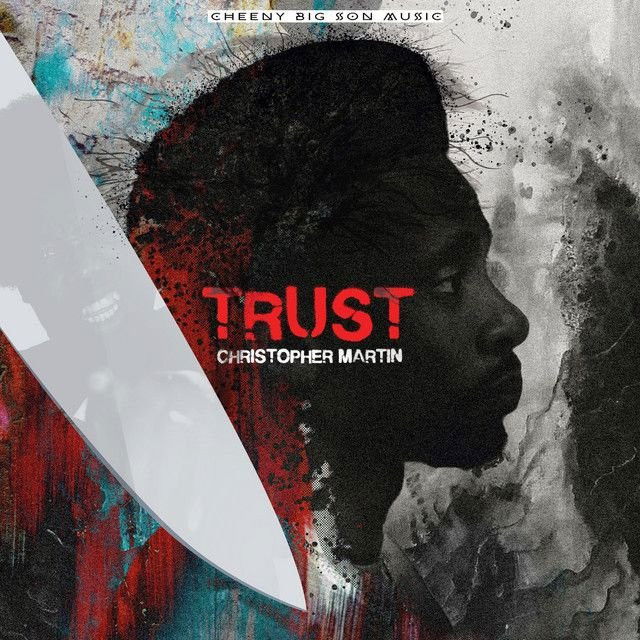
Trust by Christopher Martin
Christopher Martin’s “Trust” is a warning song, but it is also a wounded one. At its core, the meaning of Trust Christopher Martin comes down to this: betrayal changes how a person moves through the world. Instead of treating trust like a basic social habit, the song argues that trust is limited, earned, and closely guarded.
"Trust" - Christopher Martin
Mi si dem a jump from side to side like dem a bullfrog man
Mhmm hmm
Loading lyrics...
Unable to load lyrics
We're unable to display the lyrics at this time. Please try again later.
They do not present distrust as cool or casual. They present it as a lesson learned after real pain.
A loyalty anthem shaped by hurt
The song opens with suspicion already in place. From the start, the speaker is watching people closely and measuring their actions. That matters because the track is not about random paranoia. It is about a person who feels they were hurt by people they loved, then decided they would not let that happen again.
The clearest summary comes in the hook, where Martin warns against someone who is friends with everybody
. In plain terms, he is saying that loyalty and universal approval rarely fit together. If someone wants to stay good with every side, they may not stand firm when conflict appears.
That idea drives the whole song. The pain is personal, but the rule is larger: not everyone deserves access.

Watch the official Trust
music video
When friendship turns into betrayal
The first verse draws the line
In the first verse, the narrator describes a friend acting friendly in one space while connecting with enemies in another. He points to the ugly contradiction of calling someone a friend while also celebrating with people who wish harm on them. His use of Likkle Judas
makes the accusation simple and sharp: this is betrayal, not a misunderstanding.
The verse also turns toward gossip and broken boundaries. When he complains about people telling private business, he frames loyalty as active responsibility. In this song, friendship is not just about saying the right words. It is about keeping confidence, choosing sides, and refusing opportunism.
Why the chorus hits so hard
The hook is memorable because it takes a streetwise observation and turns it into a life principle. Martin repeats that trust is not something to give to everybody
. That repetition matters. It sounds like a rule they had to repeat to themselves until it became survival.
There is also a social message underneath it. The song pushes back on performative friendliness, networking culture, and fake closeness. Someone can smile, toast, and hang around the room, but that does not make them solid.
Whappn to loyaltyWhappn to friendship
Those short questions near the end feel less like drama and more like disappointment. The song is not only angry at one person. It is frustrated with a wider drop in values.
The inner circle matters most
Another key part of the meaning of Trust Christopher Martin is the emphasis on family. When the singer says me n mi family dem good
, he narrows the circle on purpose. Family here can mean blood relatives, but it also suggests a trusted core of real ones.
That distinction gives the song emotional weight. They are not rejecting connection altogether. They are saying connection must be tested. The outer world may be full of shifting alliances, but the inner circle is where safety still exists.
Pride, respect, and self-protection
The second verse expands the message beyond one betrayal. It becomes advice. Martin argues that a person cannot be good with everybody, and sometimes distance is necessary to keep self-respect. The line about keeping the real ones close turns the song into a code for survival.
Interpretation: this is why the track feels stronger than a simple diss song. It is not just trying to shame fake friends. It is teaching emotional boundaries after disappointment.
How the sound supports the message
Even on the page, the song feels rhythmic and chant-like, which suits reggae/dancehall instincts. The repeated chorus, conversational ad-libs, and direct phrasing create the feeling of a warning shared in public, almost like community advice rather than private journaling.
Martin is widely known as a Jamaican reggae and dancehall singer through releases covered by outlets such as The Jamaica Observer and DancehallMag. That background matters because this song uses plainspoken, cutting language common to reggae storytelling: betrayal is named directly, loyalty is treated as moral truth, and repetition turns the message into something memorable.
Interpretation: the production likely works best when it leaves space for the words to land. A heavy hook and steady groove would fit the song’s warning tone, because the point is clarity, not confusion.
A second reading beneath the anger
There is one softer turn in the bridge, where the singer says he wears his heart openly and does not hide feelings. That changes the song slightly. It suggests the distrust in the chorus is not emotional coldness. In fact, it may come from being sincere in the first place.
So the song can be read in two connected ways:
- A direct response to betrayal by fake friends.
- A broader statement about guarding peace, privacy, and pride.
Both readings fit because the song keeps moving between personal pain and social advice.
What “Trust” finally says
In the end, “Trust” is about boundaries after betrayal. Christopher Martin presents loyalty as rare, friendship as something proven by action, and trust as too valuable to hand out cheaply. That is the heart of the meaning of Trust Christopher Martin: hurt can make a person harder, but it can also make them wiser about who belongs close.
That interpretation is based on the lyrics provided and publicly known artist context. As with any song, listeners may hear different shades of meaning depending on their own experiences.









