Why 'Sugar Water' Feels Like a Waking Dream
The meaning of Sugar Water Cibo Matto is less about a fixed plot and more about a drifting state of mind. The song feels like a walk through a real city that slowly melts into fantasy, memory, and desire. That is why it still fascinates listeners: it sounds gentle, but its images keep slipping out of easy explanation.
"Sugar Water" - Cibo Matto
I'm on a concrete way
The wind is blowing to the north-northwest
Loading lyrics...
Unable to load lyrics
We're unable to display the lyrics at this time. Please try again later.
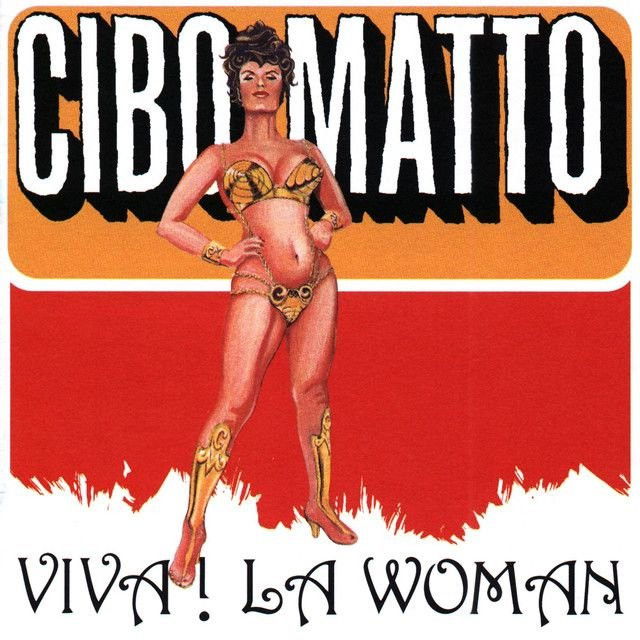
Cibo Matto built their reputation in the 1990s by mixing hip-hop, pop, rock, and art-world weirdness into something hard to classify. The duo, Miho Hatori and Yuka Honda, released the song on Viva! La Woman in 1996, a debut that helped define their playful but sophisticated style (AllMusic, Discogs). That context matters, because “Sugar Water” fits their habit of turning everyday objects and sensations into surreal emotional landscapes.
A Song About Perception Sliding Out of Place
At its core, the song seems to describe a person moving through the world while reality changes shape around them. It begins on a hard, urban path, then lets other places and feelings seep in. A breeze carries the scent of a distant island. Buildings stop feeling solid. Time itself changes the sound of a voice.
That opening idea, paraphrased from the song’s first line, gives the key to everything else: experience is unstable. When the lyric says a voice turns into sugar water
, it suggests sweetness, softness, and dissolution all at once. A voice is usually clear and personal. Sugar water is formless. The song seems interested in that shift.
Interpretation: this can be heard as a portrait of memory. The past does not stay sharp; it melts, diffuses, and becomes emotional rather than factual.

Watch the official Sugar Water
music video
How the Images Build a Dream Logic
The song’s verses move like connected snapshots rather than a normal story. They place the listener on a concrete way
, then suddenly near island sand, then on a camel, then in a skyline that turns into palms. None of this is explained. That is exactly the point.
Instead of using cause and effect, the lyrics use association. One sensation leads to another. Wind brings smell. Smell brings distance. Distance brings fantasy. The city becomes tropical. The ordinary becomes uncanny.
A recurring image, black cat crosses my path
, works like a signal that reality is about to bend. In folklore, a black cat can carry luck, bad luck, or simply superstition. Here it feels like a threshold marker. Each appearance hints that the speaker has crossed from the fixed world into the unstable one.
The Moon Image Changes the Scale
The repeated line about a woman in the moon
expands the song beyond streets and buildings. Suddenly the viewpoint is cosmic. The image is intimate and distant at the same time: a feminine figure sings to the earth, as if emotion can travel across impossible space.
Interpretation: this may represent longing for connection. The singer is close enough to hear the voice, yet far from its source. That tension fits the song’s larger feeling of chasing something sweet but unreachable.
Why the Chorus Feels Both Childlike and Strange
Much of the song uses repetition, especially the extended “la la la” passages. On the surface, that sounds light, almost playful. But in context, the repetition does something more unsettling. It erases clear language and replaces it with pure sound.
That matters because the song is already concerned with voice becoming liquid and unstable. When words give way to melody, meaning becomes emotional instead of literal. The listener is not asked to decode a message line by line. They are asked to drift.
We are taking sugar water shower
Shower
This brief refrain is the song’s most direct statement, and even it stays surreal. A shower usually cleanses or refreshes. Sugar water does not clean; it coats. So the image mixes pleasure with excess, comfort with stickiness.
Interpretation: the chorus may suggest surrender. Rather than resisting the dream state, the speaker steps fully into it.
Sound, Production, and the Song’s Soft Unreality
The production is a major reason the track lands so strongly. Cibo Matto’s arrangements often balance groove with haze, and “Sugar Water” is a strong example of that approach. The rhythm is steady enough to ground the song, but the vocals and textures feel airy, detached, and slightly ghostly.
That contrast mirrors the lyrics. A firm beat suggests the body moving through physical space. The floating vocal delivery suggests the mind drifting somewhere else. Even without quoting much, listeners can hear how the song refuses to stay in one place.
The band’s art-pop and alternative rock instincts also help. They do not treat surrealism as a dramatic explosion. They make it feel casual, almost natural. That choice is crucial. If the music were louder or more chaotic, the images might feel random. Because the arrangement stays controlled, the transformations feel hypnotic.
The Best Way to Read the Song
The meaning of Sugar Water Cibo Matto is strongest when treated as emotional surrealism. It is not a puzzle with one answer. It is a song about movement between states: city and island, body and dream, speech and melody, self and atmosphere.
A simple reading is that it captures dissociation or daydreaming. A deeper one is that it shows how identity changes under time, desire, and memory. Either way, the sweetness of the title is never simple. Sugar comforts, but it also dissolves.
That is why “Sugar Water” endures. It gives listeners vivid pictures, then refuses to pin them down. They are left with a mood: tender, strange, and lightly unsteady.
Disclaimer: This interpretation is based on the song’s lyrics, sound, and public artist context. As with many surreal songs, different listeners may reasonably hear different meanings.







