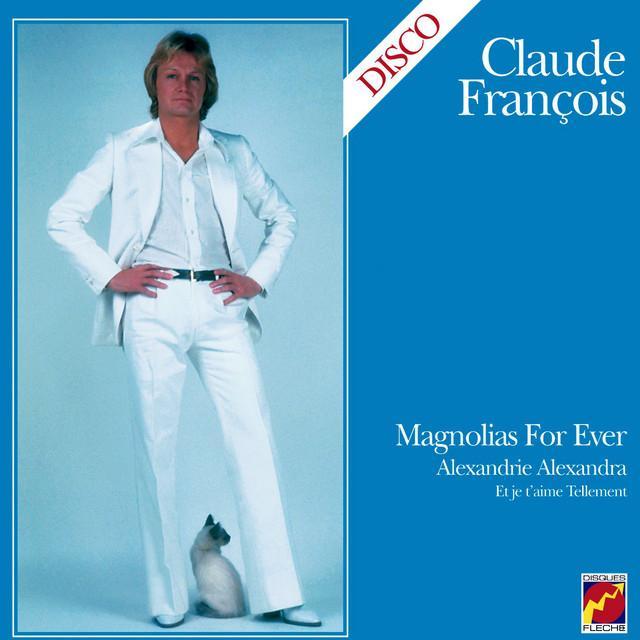
Why 'Magnolias for Ever' Feels So Haunted
The meaning of Magnolias for Ever Claude François comes from a striking contrast: the song sounds bright and stylish, yet its emotional world is full of fear, longing, and fragile love. Claude François turns flowers, night imagery, and repeated pleas into a portrait of someone trying to understand a woman he cannot fully reach.
"Magnolias for Ever" - Claude François
Is she wrong or is she right?
Je ne peux plus rien y faire
Loading lyrics...
Unable to load lyrics
We're unable to display the lyrics at this time. Please try again later.
Even without full lyrical detail, the song feels torn between admiration and helplessness. Its central figure is beautiful, strong, vulnerable, and hard to save. That tension is what gives the track its staying power.
A Love Song Wrapped in Alarm
At its core, the song is about seeing someone suffer and feeling unable to fix it. Early lines present a woman who is both glowing and breaking. The repeated image of her crying at night, along with phrases like crying in the night
and burning bright
, creates a clash between pain and brilliance.
That is the emotional engine of the song. She is not shown as weak in any simple way. Instead, she seems intense enough to destroy herself. Later, the lyric suggests she is so strong that she breaks, which turns strength into a kind of danger.
Interpretation: This is not just a breakup song. It sounds more like a song about watching love become unstable, and about fearing what that instability can do to a person.

Watch the official Magnolias for Ever
music video
Who They Are Singing To
The narrator keeps asking others to speak for them. The recurring appeal, paraphrased as a request to “tell her,” matters because it shows distance. They do not speak to her directly. They send emotion through another voice, which makes the song feel indirect and unresolved.
That choice also adds tenderness. When the singer says je pense à elle
, they are not claiming control. They are admitting that she remains on their mind, tied to places, sounds, and symbols.
There is also a shift in address. Sometimes the lyric speaks of “her.” At other moments it speaks to “you,” as if one woman starts to resemble another. That blurring suggests memory at work. One person becomes a mirror for many others.
Why the Magnolias Matter So Much
The title image is the key symbol. Magnolias are beautiful, soft, and abundant, but the song does not treat them as simple decoration. They carry memory, idealized femininity, and emotional risk.
When the narrator imagines magnolias like before
, the flower becomes a bridge to the past. It suggests an older vision of romance, maybe even innocence. But the song undercuts that sweetness by noting that beauty can wound. The image of burned fingers makes love feel attractive yet painful.
Flowers as a Portrait of Women
The song eventually widens its scope. The woman in the lyric begins to resemble all women when they love deeply. The mention of violets and magnolias places different personalities on the same spectrum: shy, harsh, delicate, bold. The point is not botany. It is emotional variety.
Interpretation: Magnolias may stand for women who appear elegant and radiant on the outside while carrying turbulence underneath. That reading fits the song’s repeated mix of glamour and distress.
A Story Told Through Fragments
Rather than giving a clean plot, the song works in emotional snapshots:
- A woman is introduced in pain and confusion.
- The narrator admits they do not know what to do.
- They ask someone to tell her they still understand love and sorrow.
- Her strength is described as something that can shatter.
- The flower image expands her into a larger symbol.
This fragmented method makes the song feel dreamlike. It does not explain everything, but it does not need to. Each return to the hook deepens the sense that the narrator is trapped in the same thought.
Des magnolias par centaines
Les magnolias sont toujours là
These lines suggest that while individual relationships change, the emotional pattern remains. Beauty returns. Desire returns. The ache returns too.
How the Sound Changes the Meaning
Claude François was one of France’s biggest pop stars, known for polished performance and crossover-friendly pop arrangements, as noted by major reference sources such as Encyclopaedia Britannica and RFI. That context matters here.
The production of “Magnolias for Ever” leans toward glossy late-1970s pop with disco energy. The beat moves forward. The melody is catchy. The backing feels large and public-facing. Yet the words are intimate and uneasy.
That mismatch is powerful. Listeners are invited to move with the song even as the lyric circles fear, despair, and emotional collapse. The “new music” mentioned in the lyric is even described as sounding like conflict. In other words, modern pop sound is not pure pleasure here. It can also feel overwhelming.
Two Strong Readings of the Song
Reading One: A Specific Woman From the Past
In this view, the narrator is remembering one person and worrying about her from a distance. The repeated requests to contact her, and the personal details about her tears, voice, and trembling, support that reading.
Reading Two: A Wider Song About Women in Love
This reading grows stronger in the final sections. The woman becomes representative. She resembles “all girls” when they love intensely. That makes the song less like a private letter and more like a meditation on how love exposes vulnerability.
Both readings can be true at once. A single remembered person may open into a broader truth.
Why the Song Still Lands
The meaning of Magnolias for Ever Claude François lasts because the song never chooses between beauty and pain. It keeps both in view. It presents love as radiant, theatrical, and memorable, but also frighteningly delicate.
That balance is why the song feels haunted instead of merely nostalgic. The flowers remain, the music plays on, and the narrator is still unsure how to help.
Disclaimer: This article offers interpretation based on the lyrics, performance, and public artist context. Song meaning can remain open to different listener readings.







