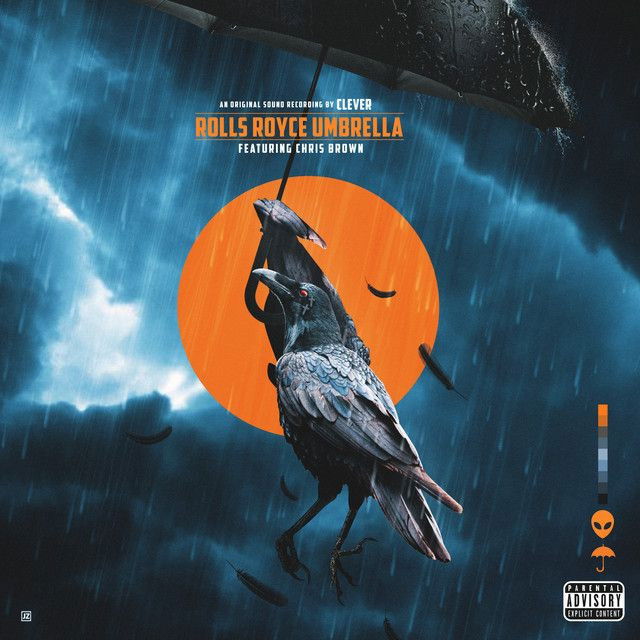
Why 'Rolls Royce Umbrella' Feels So Uneasy
The meaning of Rolls Royce Umbrella Clever, Chris Brown comes down to a sharp contrast: luxury is everywhere, but peace is not. The song sounds glossy and expensive, yet its strongest idea is that success does not erase fear, guilt, or the memory of survival.
"Rolls Royce Umbrella" - Clever, Chris Brown
Don't know where I'm fallin'
Don't know where I'm fallin'
Loading lyrics...
Unable to load lyrics
We're unable to display the lyrics at this time. Please try again later.
Clever and Chris Brown frame that tension through champagne, luxury cars, courtrooms, and near-death imagery. Even when the song celebrates a rise from poverty, it keeps circling back to emotional instability. That is why the track lands as more than a simple victory anthem.
A Triumph Song With a Crack Down the Middle
On the surface, the song tells a familiar rap and R&B story: they came from very little and now live in rare luxury. The verses move from porches, debt, and hunger to Porsches, private jets, and courtside seats. That progression gives the song its backbone.
But the hook immediately complicates the celebration. When they say Champagne showers can't make flowers bloom
, they admit that wealth cannot create real healing. Champagne can fall like rain, and it can cover a Rolls-Royce, but it cannot grow anything living.
That is the key to the song. The wealth is real, but it is not the same thing as renewal.
Watch the official Rolls Royce Umbrella
music video
The Title Image Says Almost Everything
The phrase Rolls-Royce umbrella
is flashy, but it is also revealing. An umbrella is meant to protect. A Rolls-Royce represents elite success. Put together, the image suggests a shield made of status.
Interpretation: the song treats luxury as protection from the world that once hurt them. Yet that protection is incomplete. Rain still falls, mistakes still matter, and inner wounds remain.
The chorus builds that idea with other symbols. The line about shootin' stars
in the Wraith roof turns a luxury car ceiling into a sky. They are no longer looking up at success from below; they sit inside it. Even so, the image feels artificial. The stars are built into the car, not the real heavens.
From Survival to Status
The verses lay out a rise that feels personal rather than abstract. They mention going from being poor kids on porches to moving in expensive cars. They also reference debt, legal trouble, and the fear of an early death. These details make the song less about generic flexing and more about escape.
One of the darkest lines is They saw me in the hearse
. The idea is not just mortality. It suggests that people expected them to fail, disappear, or die young. Against that backdrop, every luxury symbol becomes proof of survival.
A few major beats shape the story:
- They begin in uncertainty and danger.
- They move through poverty, court pressure, and hunger.
- They reach money, travel, and public visibility.
- They realize success still carries emotional weight.
That fourth step is what gives the song depth.
The Hook Turns Bragging Into Reflection
Chris Brown’s presence matters because the hook needs softness, not just force. His melodic style helps the chorus sound dreamy, almost weightless. That smoothness creates a strange contrast with the song’s harder details about debt, court cases, and dying young.
The repeated prayer image deepens that contrast. When they mention paying for mistakes while praying upward, the song hints that fame has not settled their conscience. They may have escaped one life, but they have not escaped accountability.
Interpretation: the hook is not denying success. It is questioning whether success can do the emotional work they hoped it would do.
Why the Ending Feels So Important
The most revealing part may be the repeated phrase Don't know where I'm fallin'
. After all the status symbols, the song ends in uncertainty rather than control. That changes how the whole track reads.
If the song ended only with champagne and stars, it would sound like pure triumph. Instead, it closes in freefall. That makes the earlier luxury feel fragile.
Fallin'
Don't know where I'm fallin'
This brief moment strips away the expensive imagery and leaves a simpler truth: they are still unstable inside. In emotional terms, the song moves from display to confession.
Sound, Mood, and Artist Context
Clever is known for mixing melodic rap with vulnerable writing, while Chris Brown often brings sleek hooks that blur pain and pleasure. That pairing fits this song well. The production leans glossy and atmospheric, giving the track a floating feel rather than a gritty one.
That matters because the beat does not fight the lyrics; it seduces the listener into them. The polished sound mirrors the polished lifestyle being described. At the same time, the drifting melody supports the feeling of disorientation, especially at the end.
The credited writers provided in the song information are Christopher Brown, Joseph Matthew Petta, Joshua Tyler Huie, Lukas Patrick Payne, and Sterling Reynolds. Those credits support the sense that the track was built as a crossover piece: confessional in content, but cinematic in finish.
So What Is the Song Really Saying?
The meaning of Rolls Royce Umbrella Clever, Chris Brown is not that money solved everything. It is that money changed the scenery while leaving old pressure in place. They escaped poverty, but not memory. They reached luxury, but not full safety.
That is why the song works. It understands that success can be real and still feel incomplete. The cars, champagne, and stars are not fake. They just are not enough.
Interpretation disclaimer: This reading is an informed analysis of the song’s lyrics, mood, and imagery, not a confirmed statement of the artists’ private intent.








