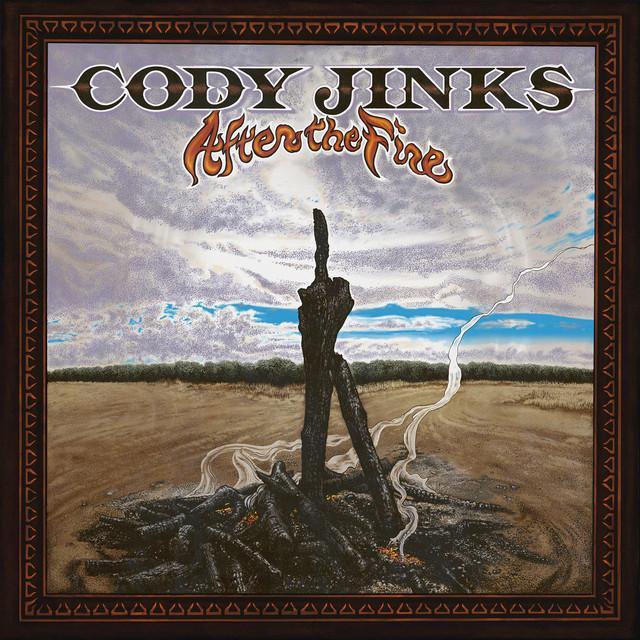
Ain't a Train by Cody Jinks
Why This Song Hits So Hard
The meaning of Ain't a Train Cody Jinks comes down to a simple but strong idea: hard times do not always end in disaster. Sometimes fear, loss, and pressure clear the way for a better future.
"Ain't a Train" - Cody Jinks
In my mind or made of steel
If you ain't runnin' scared and rough
Loading lyrics...
Unable to load lyrics
We're unable to display the lyrics at this time. Please try again later.
That hopeful message matters because Cody Jinks rarely sounds fake or polished. Their catalog, from the independent breakthrough Adobe Sessions onward, often centers on struggle, grit, and survival. In this song, they keep that rough edge, but they also leave room for relief.
The Core Message Beneath the Road Imagery
On the surface, the song is full of motion. It opens with restless images of travel, speed, and danger. Phrases like wings and wheels
and runnin' fast enough
suggest a speaker who lives in motion, mentally or physically, and feels most alive when the stakes are high.
But the song is not just about being wild. It is about what happens when a person gets used to chaos. The verse suggests they know how to survive when life corners them. Even being behind the 8-ball
is not framed as total defeat. Instead, the song treats pressure as a place where instinct sharpens.
Interpretation: Jinks and Josh Morningstar seem to build a character who has spent so much time in crisis that uncertainty feels normal. That background makes the chorus more powerful, because hope does not come from innocence. It comes from experience.
How the Chorus Changes Everything
The chorus is the emotional center of the song. Before it, the speaker sounds tough and hard to shake. Then the writing pivots toward vulnerability.
They suggest that staying attached to something can hurt more than walking away. They also argue that pain is not always proof of failure; sometimes it is proof that something real is being tested. The line holdin' on
versus letting go captures that inner fight in plain language.
The song’s key image arrives at the end of the hook:
the light at the end
ain't a train
That moment matters because it flips a familiar saying. Many people know the cynical joke that the light ahead is not hope but incoming disaster. Jinks rejects that fatalism. They do not promise an easy ending, but they suggest that not every bright spot is a trick.
Verse Details That Support the Theme
The first verse paints a life built around risk. The speaker moves fast, thinks fast, and almost measures worth by nerve. That gives the song a rebellious streak, but it also reveals exhaustion. A person who never slows down may be outrunning fear as much as chasing freedom.
The second verse adds survival logic. A line about a dollar and a dream
turns desperation into possibility. It is not glamorous. It is the kind of faith people keep when resources are low and options are thin.
There is also a striking image about having their back against the wall. That phrase usually signals defeat, yet the song twists it into a defensive strength. If danger is in front of them, at least they know where it is coming from.
Sound and Production: Grit With a Lift
Part of the meaning of Ain't a Train Cody Jinks comes from how it sounds. Jinks often works in a lane between outlaw country, Southern rock, and traditional honky-tonk, and this track fits that blend. Their official song catalog shows how often they pair country storytelling with heavier guitar tones.
The arrangement supports the lyric’s message. The rhythm section pushes forward like a highway song, while the guitars give it weight and tension. That drive mirrors the speaker’s urge to keep moving.
Then the melody opens in the chorus. Even without dramatic production tricks, the lift in phrasing makes the hopeful turn feel larger. Jinks’ vocal style also matters. They sound weathered, not fragile, which helps the hopeful lines feel believable. This is not blind optimism. It is optimism argued by someone who has seen the worst.
Two Strong Ways to Read It
Reading One: A Song About Letting Go
The most direct reading is emotional release. The lyrics suggest that clinging to a person, habit, or idea may cause more damage than ending it. In this version, the tunnel image points toward healing after a painful break.
Reading Two: A Song About Survival Mindset
Another reading is broader. The song may be about how people who live under pressure learn to expect disaster. The chorus then becomes a challenge to that habit. Maybe the future is not another collision. Maybe it is actual relief.
Both readings fit because the lyrics stay open enough to welcome personal connection.
Why It Resonates in Cody Jinks' World
Jinks built a reputation on independence, blunt writing, and music that speaks to working-class strain. This song fits that identity well. It does not preach. It speaks in hard-won sayings, rough humor, and images of motion, weather, and fire.
That is why the final message lands. The rain and thunder are not pretty symbols; they are forces that can put out flames. In other words, trouble itself may become the thing that saves them.
Final Take
The meaning of Ain't a Train Cody Jinks is about choosing hope without denying pain. It recognizes danger, admits hurt, and still makes room for the chance that the future is not coming to crush them.
For many listeners, that balance is the song’s real power: it sounds like someone staring into the tunnel honestly and deciding not to assume the worst.
Disclaimer: This interpretation is based on the released lyrics, performance, and public artist context. As with any song, listeners may reasonably hear different meanings in it.








