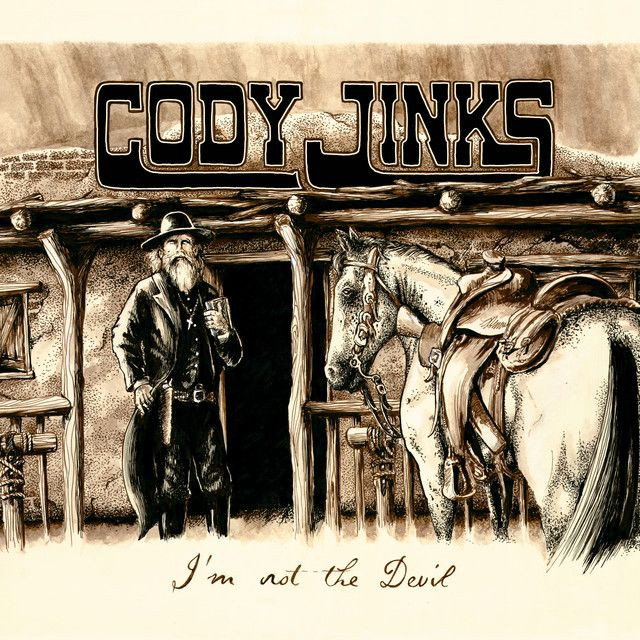
Why 'I'm Not the Devil' Hits So Hard
The meaning of I'm Not the Devil Cody Jinks starts with a plain, painful idea: a person has failed someone they love, and now they are asking not to be reduced to that failure. The song is not a denial of guilt. It is a plea against being seen as purely evil.
"I'm Not the Devil" - Cody Jinks
It ain't no excuse, but I'm just a man
I slipped and I fell, it got outta hand
Loading lyrics...
Unable to load lyrics
We're unable to display the lyrics at this time. Please try again later.
That distinction matters. The speaker admits wrongdoing, accepts blame, and still asks for room to be human. In a country song world full of pride and revenge, Cody Jinks chooses something more exposed: shame, regret, and the hope of being forgiven.
A Confession, Not an Excuse
From the first lines, the song sets its terms. The speaker says just a man
, which is not a boast. It is a confession of weakness. They are saying they made a mess, that they fell short, and that their actions hurt somebody.
The next key idea is accountability. The song says there was no force involved, using the image no gun
to reject the easy way out. In other words, the speaker is not claiming they had no choice. They did choose, and now they must live with what happened.
That is why the title line works so well. I'm not the devil
does not mean innocent. It means flawed, guilty, and still human. The moral center of the song rests on that tension.
Watch the official I'm Not the Devil
music video
How the Verses Build the Story
The narrative is simple but effective, and that simplicity gives the song its emotional weight. The speaker lays out a short chain of events:
- They believed falsehoods and bad thinking.
- They acted in a weak moment.
- The damage grew beyond control.
- They now face judgment from the person they hurt.
One of the strongest phrases is I slipped and I fell
. It captures both mistake and consequence. The line does not erase responsibility, but it frames the wrongdoing as a collapse rather than a calculated evil.
There is also a relationship drama underneath the confession. The speaker knows the other person has every reason to leave. They even admit that nobody would blame them. That makes the song feel mature. It does not demand forgiveness; it asks for a chance to earn it.
The Chorus Turns Shame Into a Plea
The chorus repeats the main argument until it starts to sound less like defense and more like desperation. Each return to the title phrase deepens the emotion. By the end, the listener hears someone trying to hold onto their identity while it is slipping away.
I'm not the devil
you think that I am
This is the song's emotional core. The speaker fears not only losing love, but being permanently defined by one bad chapter. That fear is universal. Many listeners connect to the idea that they are responsible for their worst actions, but not identical to them.
Interpretation: the chorus is really about the battle between guilt and identity. The singer is not asking whether they did wrong. They are asking whether one wrong act should become their whole name.
Why Cody Jinks Sings It So Convincingly
Jinks' style helps sell every line. He has a baritone voice that sounds worn in, not polished. That matters because this song would lose power if it felt theatrical. Instead, they deliver it with the rough steadiness of someone speaking after a long night of damage control.
Musically, the track stays grounded in outlaw-leaning country, with a slow-to-mid tempo, steady drums, and guitar work that leaves space for the vocal. There is no flashy production trying to overpower the message. The arrangement supports the confession by keeping the focus on tone and phrasing.
That restraint fits Jinks' career arc. The song appears on the 2016 album I'm Not the Devil, released through Cody Jinks Music. According to Wikipedia's summary of chart data, the album reached No. 4 on Billboard's Top Country Albums chart and No. 39 on the Billboard 200, a sign that Jinks' independent path was reaching a wider audience.
Context Makes the Meaning Bigger
The title track also reflects why fans trust Jinks. They built a reputation outside the most commercial lane of Nashville, leaning into honesty, touring, and a working-class image rather than trend chasing. That background makes a song like this feel earned.
The writing credit matters too. The song was written by Cody Jinks and Ward Davis. Davis is a songwriter known for plainspoken, bruised storytelling, and that influence can be felt here. The lyric avoids fancy metaphors and instead uses direct language, like moment of weakness
, to keep the emotion immediate.
In that sense, the song is not really about scandal or melodrama. It is about the aftermath of ordinary human failure. That makes it easier for listeners to map the song onto their own lives, whether they hear it as a breakup song, an apology song, or even a spiritual struggle.
Two Strong Ways to Read the Song
There are at least two persuasive readings of the song.
A broken relationship apology
This is the most direct reading. The speaker has betrayed trust and is trying to stop a partner from seeing them as beyond saving. The promises to wait, prove, and work for redemption all support that view.
A wider statement about judgment
Interpretation: the song can also be heard as a broader response to being labeled by society. The title suggests a person resisting the flattening effect of public shame. In that reading, the song becomes about grace: holding people accountable without denying their humanity.
Why the Song Still Connects
The lasting power of the meaning of I'm Not the Devil Cody Jinks comes from balance. The song never says failure is fine. It also never says a person is nothing more than failure. That middle ground is hard to write and harder to sing.
For many listeners, that is the song's gift. It gives language to the space between guilt and damnation. It says a person can do wrong, admit it fully, and still hope to be seen clearly.
Disclaimer: This interpretation is based on the released lyrics, recording, and publicly available artist context. As with any song, listeners may hear meanings that differ from this reading.







