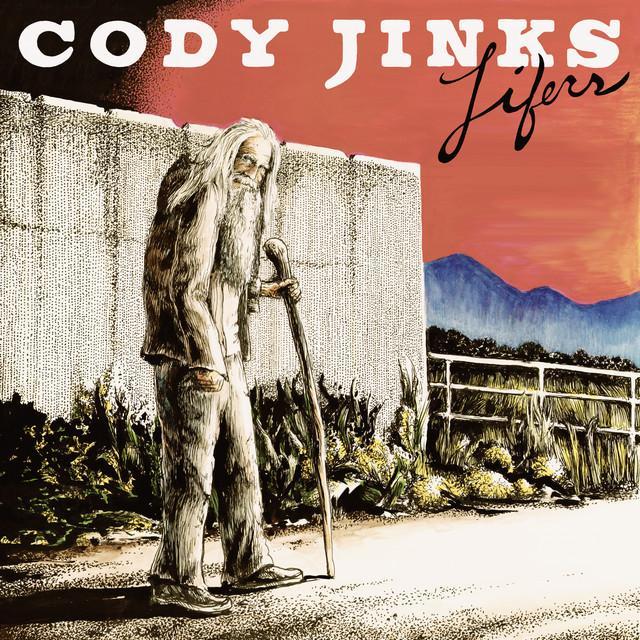
Must Be the Whiskey by Cody Jinks
The meaning of Must Be the Whiskey Cody Jinks comes down to a painful split between desire and judgment. The narrator still loves someone, knows the relationship is unhealthy, and uses alcohol to explain why those feelings keep returning. But the song’s real power is that it never lets whiskey take all the blame.
"Must Be the Whiskey" - Cody Jinks
Seem to be at least a million miles apart
My heart says to love you, my head says to run
Loading lyrics...
Unable to load lyrics
We're unable to display the lyrics at this time. Please try again later.
Cody Jinks built a loyal audience through independent releases and a rough-edged country style that sits closer to outlaw country and Southern rock than polished Nashville pop. That background matters here: the song sounds like a barroom confession, but its writing is more self-aware than a simple drinking anthem.
A Love Story Arguing With Itself
At the center of the song is a person pulled in two directions. Early on, the narrator says their head and heart are far apart, then admits one side says stay while the other says leave. That conflict drives the whole lyric.
The key idea is not romance alone. It is obsession mixed with regret. When the song circles the line it must be the whiskey
, they are trying to explain feelings that are too strong and too messy to control. In plain terms, they want to believe alcohol is causing the emotional chaos, because that is easier than admitting the love still has a grip.
Interpretation: the title phrase works like a shield. It sounds casual, but it hides shame, dependence, and lingering attachment.
Watch the official Must Be the Whiskey
music video
The Chorus Turns Drinking Into a Confession
The chorus is where the song reveals its deeper meaning. The narrator says they are drinkin' to remember
and also drinkin' to forget
. That contradiction is the whole story in miniature.
They drink to hold onto the relationship, then drink again to escape it. Neither strategy works. Instead, the alcohol keeps them suspended in the same emotional place.
One especially sharp detail is Jim Beam on my breath
. That image grounds the song in ordinary, concrete reality. This is not abstract heartbreak. It is physical, immediate, and embarrassing. The drink becomes proof that the narrator is living inside a cycle of memory, loneliness, and self-damage.
Regret Is the Real Villain
The second verse expands the song beyond missing an ex. Now the narrator looks inward and sees a trail of bad choices. They think about what they should have done and said, and they hate the person they have become.
That is why the song feels heavier than many country songs about drinking. The pain is not just heartbreak. It is self-reckoning. A line like million regrets
shows the scale of that emotional burden without needing long description.
Another strong phrase is chasin' rainbows
. In context, it means they know the hope of fixing everything may be unrealistic. They are chasing an impossible version of the past, and that makes the guilt even worse.
Interpretation: whiskey is not the cause of the tragedy. It is the setting where truth slips out.
How the Sound Supports the Lyrics
Jinks’ delivery is a major reason the song lands. They sing with weight and restraint, not melodrama. That balance matters because the lyric could have become overly dramatic in weaker hands.
The production supports the song’s brooding mood with a steady tempo, warm low-end, and guitar work that leaves space around the vocal. Instead of pushing for a big arena chorus, the arrangement lets the repetition wear on the listener the way regret wears on the narrator.
That musical patience matches Jinks’ broader catalog and public reputation as an independent country artist with a hard-earned fan base rather than a radio-crafted image. Even the available Rolling Stone page tied to the song points to the track’s release coverage, though the scraped page here does not preserve the full article text. Still, it confirms the song drew mainstream music-press attention during its rollout.
Why the Hook Keeps Hitting
The ending matters because the song repeats the title idea until it starts to sound less believable. When the narrator says it hits them when they are a little tipsy
, the line sounds almost offhand at first. But repeated again and again, it becomes sadder.
They are not discovering anything new while drinking. They are losing the ability to hide what they already know.
That is why the chorus sticks with listeners. It captures a familiar human habit:
- blame the substance
- avoid the deeper wound
- confess anyway
The song understands that people often tell the truth sideways. In this case, the narrator says whiskey is the reason, while the lyric itself shows heartbreak, loneliness, and regret are doing most of the work.
A Bigger Reading of the Song
There are two strong ways to read the meaning of Must Be the Whiskey Cody Jinks.
Reading one: a breakup spiral
On the most direct level, this is about someone who cannot let go after a damaged relationship. They still love the other person, know reconciliation is unlikely, and keep reopening the wound through drinking.
Reading two: self-destruction in disguise
A second reading is broader. The lost relationship may be real, but the deeper subject is the narrator’s broken relationship with themself. The song spends a lot of time on actions, regrets, and the mess they made. That shifts the focus from romance to character.
Both readings can be true at once, which is part of the song’s strength.
Why It Resonates With Fans
Jinks has long appealed to listeners who want country music to sound lived-in and emotionally direct. This song fits that appeal. It is accessible on first listen, but underneath the hook is a hard truth: sometimes people know exactly what is hurting them and still keep naming something else.
That honesty is what gives the song staying power. It is about whiskey, yes, but even more about the stories people tell themselves when grief will not leave.
Disclaimer: This interpretation is based on the released lyrics, performance, and available artist context. As with any song, listeners may hear meanings that differ from this reading.









