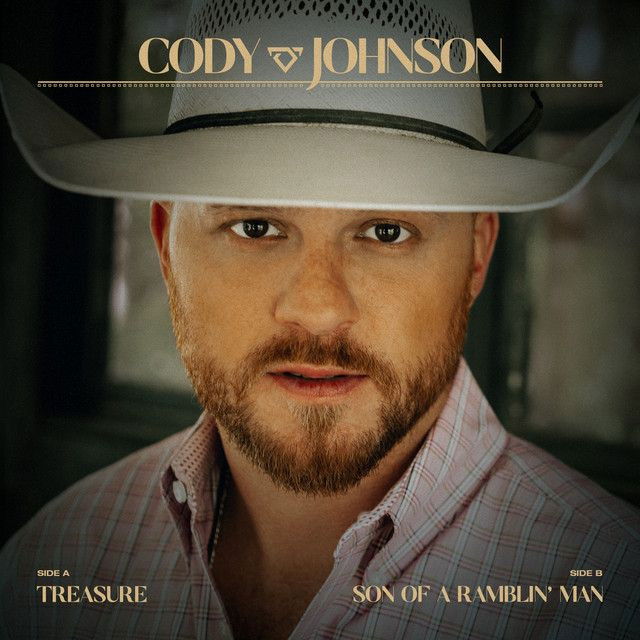
Why 'Treasure' Finds Value Beyond Shine
The meaning of Treasure Cody Johnson comes down to one clear idea: the most valuable things in life often look plain from the outside. In this song, they move through a worn guitar, a humble home, and a marriage built on love rather than display. Each image points to the same lesson: worth is not the same as sparkle.
"Treasure" - Cody Johnson
Like a pawn shop castaway
Started strumming little nothings
Loading lyrics...
Unable to load lyrics
We're unable to display the lyrics at this time. Please try again later.
This is a country song with a soft heart, but it is not sentimental in a vague way. It is specific. The details make its message feel lived-in, not preached.
The Song’s Core: Love, History, and Real Worth
At its center, “Treasure” argues against surface judgment. The singer sees beauty in things others might ignore: an old instrument, a repaired house, and a modest ring. When the lyric says beauty’s in the heart
, it turns the whole song toward inner value rather than outward appearance.
That idea repeats in each verse with a different example. First comes the old guitar, described as damaged and forgotten. Yet once it is played, it becomes lovable because of its sound and spirit, not its condition. Then the song shifts to family life and a house fixed up by a father. It may not be impressive, but it carries memory, labor, and care.
By the final verse, the same lesson reaches romance. The speaker worries about not offering a larger diamond, but the partner answers with a deeper truth: love matters more than the stone. That moment makes the song feel bigger than a lesson about thrift. It becomes a statement about what kind of life they want to build.

Watch the official Treasure
music video
How the Verses Build the Message
From castoff object to cherished instrument
The opening image of a pawn-shop guitar immediately sets the tone. The phrase pawn shop castaway
suggests something discarded, almost invisible. But the song quickly flips that judgment. Once the guitar is played, its beauty appears through use, feeling, and sound.
Interpretation: This is not just about the instrument. It introduces the song’s moral frame. Things that look worn may still hold art, story, and soul.
A house repaired by love
The second verse widens the idea from object to home. A house that ain’t a palace
still becomes meaningful because a father repaired it with patience and effort. The point is not that poverty is romantic. The point is that care gives ordinary things lasting value.
That is why the line about dust being a kind of glitter matters. Instead of chasing luxury, the song redefines richness in family terms. Their world may be simple, but it is full of use, memory, and belonging.
A marriage measured by feeling, not price
The last verse gives the song its emotional peak. The speaker feels insecure about not offering a bigger diamond. The partner gently rejects that standard. In plain terms, they are saying that devotion cannot be priced.
This moment ties every earlier image together. The guitar, the house, and the ring all ask the same question: what makes something precious? The answer is love, craftsmanship, and shared life.
Why the Chorus Hits So Hard
The chorus carries the song’s thesis in one elegant statement: not all treasure has to shine
. That line works because it is simple enough to remember but broad enough to cover every verse.
Rust is just another shade of silver
Not all treasure has to shine
Those lines do more than sound poetic. They challenge the habit of seeing wear as failure. Rust and dust usually signal age or neglect, but here they are recast as signs of life lived. That reversal gives the song its emotional power.
Sound and Style: Why the Arrangement Matters
Even without a full production sheet in the provided context, the lyric points toward a traditional country ballad approach. The imagery of a gut-string guitar and the plainspoken storytelling suggest an arrangement that likely favors acoustic warmth over glossy pop polish.
That matters for the meaning of Treasure Cody Johnson. A song about hidden worth would lose force if it sounded overly flashy. Instead, the likely strength of the performance is restraint: steady pacing, clear vocal delivery, and room for the story to breathe.
Interpretation: If the recording leans into organic instruments, that choice would match the lyric’s values. A natural, unforced sound reinforces the belief that honesty is more moving than glitter.
Artist Context and Writing Lens
The provided lyric credit names Matthew Joseph Rogers as the writer. That matters because the song feels crafted around classic country values: family legacy, modest living, handmade repair, and enduring love. Rather than chasing irony or clever twists, it trusts direct language.
That directness is part of its appeal. Many songs about love and gratitude aim for grand statements. “Treasure” stays close to everyday objects instead. By doing that, it makes its message easier to feel.
Final Take: What “Treasure” Really Says
In the end, “Treasure” is about learning how to see correctly. It asks listeners to look past price tags, polish, and status symbols. Real treasure, the song says, lives in memory, work, loyalty, and love.
That is why the song lands so warmly. It does not merely say simple things are good. It says simple things become priceless when they hold care.
Disclaimer: This interpretation is based on the lyrics provided and common songwriting analysis. Different listeners may hear the song in different ways.









