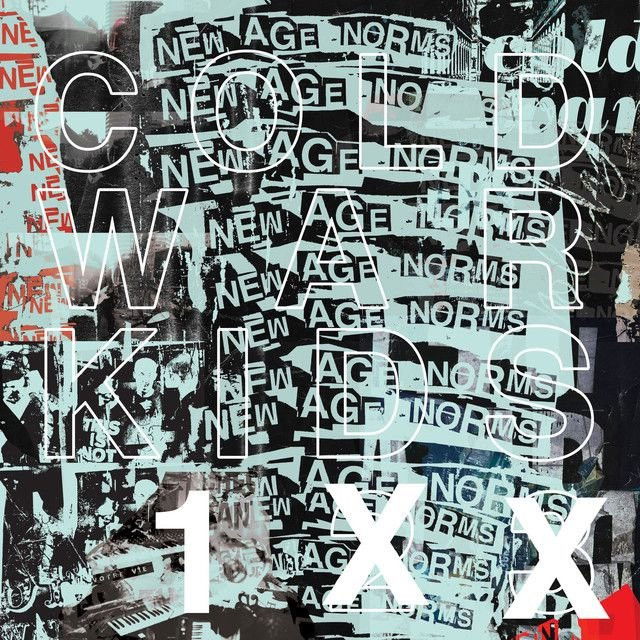
Complainer by Cold War Kids
Why This Song Hits So Directly
The meaning of Complainer Cold War Kids starts with a blunt challenge: stop confusing frustration with action. Released in 2019 as a double single with “4th of July” ahead of New Age Norms 1, the track arrived during a period when the band was leaning into more topical writing. According to Songfacts, Nathan Willett said the song responds to news and current events while trying not to lock itself to one political side.
"Complainer" - Cold War Kids
I can't stand, waiting around to dance, uh-huh
Don't wanna talk, already know what I want
Loading lyrics...
Unable to load lyrics
We're unable to display the lyrics at this time. Please try again later.
That matters because “Complainer” does not sound like a lecture from a distance. It sounds personal, impatient, and a little messy. The singer is not only judging someone else. They also seem pulled toward that person and frustrated by how modern life turns identity into performance.

Watch the official Complainer
music video
The Core Meaning Beneath the Hook
At its heart, the song argues that real change begins with self-awareness and action, not endless talk. The chorus keeps returning to complain about it
, but the point is bigger than simple whining. It is about a habit many people know well: criticizing the world, other people, or social systems while staying stuck.
The song also narrows that big social idea into one relationship. A speaker looks at someone they care about and sees contradiction. This person says they want to improve the world, yet they also seem distracted by image, wealth, status, and outside approval. In that way, the song turns culture-war noise into a human scene.
Interpretation: the track suggests that moral seriousness can become its own kind of style. People can talk like activists, post like truth-tellers, and still avoid the harder work of changing themselves.
A Relationship Song Wearing Topical Clothes
One of the most useful ways to read “Complainer” is as a romantic or flirtatious confrontation. Willett said the concept involved someone looking at social media, judging a girl he likes as shallow, while also believing there is something deeper in her. That idea helps explain why the verses move between attraction and criticism.
The lines around big plans
and wondering who they are point to someone still forming an identity. Then the song pivots into intimacy with show me yours
, which sounds vulnerable rather than purely accusatory. The speaker wants honesty, not just chemistry.
That is why the song feels sharper than a generic anti-complaining anthem. They are not yelling at strangers on the internet. They are talking to one person who stands in for a wider mood: restless, stylish, vocal, but not fully grounded.
How the Verses Build the Theme
The verses connect three ideas that feed the song’s tension:
- Impatience with passivity. The opening idea about waiting around to dance frames action as overdue.
- Pressure from comparison. References to friends with the nicest things and flashy living suggest envy and status anxiety.
- Confusion about belonging. The song keeps circling identity, purpose, and the need to stop asking what others think.
Together, those details sketch a character trapped between ideals and image. They want meaning, but they are surrounded by signals telling them to chase attention, wealth, and approval first.
You say you want to change this world
But you can only change yourself
That short moment gives the song its center. Before or after that claim, the lyrics make clear that changing the world is not mocked. What gets challenged is the belief that public frustration alone counts as change.
Sound and Production: Why It Feels So Pushy
Cold War Kids have long mixed indie rock with piano-driven tension and a slightly ragged edge; their broader style is outlined on Wikipedia. On “Complainer,” that edge gets tightened into something more danceable and more pop-aware. The groove is brisk, the rhythm section keeps things moving, and the vocal delivery snaps instead of drifting.
Produced by Lars Stalfors, the track has a bright, punchy feel that supports its message. It is catchy on purpose. A song telling people to get up and act would lose force if it sounded sleepy.
A key detail is the backing vocals. Willett said his sister and her two friends sang them in a bratty, childlike style. That choice gives the chorus a teasing, taunting quality. Instead of sounding wise and mature, the record sounds almost like a crowd mocking excuses. That makes the song more effective, because it dramatizes the behavior it is criticizing.
Social Media, Status, and Modern Emptiness
The song’s references to travel, luxury, and friends with expensive things give “Complainer” a modern target. This is not only about private negativity. It is also about curated identity. The person in the song appears to live in a world where taste, image, and belonging are constantly displayed.
That is why phrases like dripping in jewels
matter. The image is flashy, but the song uses it to ask whether style has replaced substance. The speaker seems suspicious of surfaces, yet still fascinated by them. That contradiction makes the song feel honest.
Interpretation: “Complainer” is partly about hypocrisy, but it is just as much about seduction. They are criticizing a person they still want to understand, maybe even rescue. That keeps the song from turning smug.
Final Take: What “Complainer” Really Says
The meaning of Complainer Cold War Kids is not simply “stop whining.” It is a sharper message: if someone wants purpose, love, or social change, they have to move beyond performance. They have to act, risk honesty, and stop letting comparison drive their identity.
Cold War Kids package that message inside a song that is playful, tense, and hooky enough to live on rock radio. Its smartest move is making the political personal. The world may be noisy and broken, but the song says the first test still happens in the mirror.
Disclaimer: This interpretation is based on the released recording, credited commentary, and the song’s lyrics. As with any song, listeners may hear meanings that differ from this reading.








