Why "Daddy" by Coldplay Hurts So Deeply
The meaning of Daddy Coldplay is painfully simple: it captures a child reaching for a father who is absent and may never fully return. On the surface, the song asks direct questions. Underneath, it shows how children often try to make sense of adult silence.
"Daddy" - Coldplay
Daddy, won't you come and play?
Daddy, do you not care?
Loading lyrics...
Unable to load lyrics
We're unable to display the lyrics at this time. Please try again later.
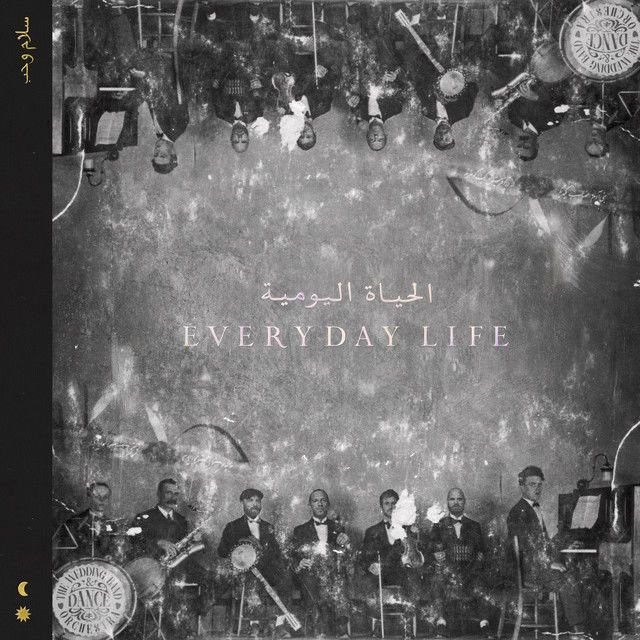
Released on Everyday Life in 2019, “Daddy” sits among the album’s more reflective songs, and its quiet approach matters. Coldplay presented Everyday Life as a wide-ranging, human-focused record, and “Daddy” is one of its most intimate moments. It was written by Chris Martin, Guy Berryman, Jonny Buckland, and Will Champion.
The Song’s Central Wound
At the center of the song is a voice asking for connection. The opening address, Daddy, are you out there?
, sounds childlike in the clearest way possible. It is not poetic distance; it is direct need.
That matters because the song does not hide behind metaphor for long. The speaker wants answers, comfort, and presence. When they ask why he left, the pain comes from not knowing whether the father is gone by choice, by emotional damage, or by some other force.
Interpretation: The song is less about blaming the father than about showing the child’s confusion. Even when the lyrics suggest hurt, they also leave room for compassion. The line you’re hurting too
points to a child trying to understand an adult’s brokenness.

Watch the official Daddy
music video
A Child’s Voice, Not an Adult Lecture
One reason the song lands so hard is its point of view. The speaker notices concrete, child-sized details instead of giving a mature explanation. The mention of it’s my birthday
is devastating because it turns a big family wound into a very ordinary missed moment.
That detail tells listeners everything they need to know. This is not just about one vanished person. It is about the milestones that absence keeps ruining.
Why the Simple Language Works
Coldplay uses very plain wording here. There are no complicated images to decode, and that simplicity makes the emotions feel honest. Children do not usually speak in elegant symbolism; they repeat what hurts.
That is why the recurring idea of so far away
carries so much weight. It means physical distance, but it also suggests emotional unreachability. Someone can be alive and still feel impossible to reach.
How the Repetition Builds the Meaning
The chorus does not really resolve anything. It circles the same hurt again and again, almost as if the speaker is stuck in a loop. That mirrors what abandonment feels like: the same questions return because they were never answered.
Even the acceptance in That’s OK
does not sound fully convincing. It feels like self-protection, the kind of phrase a child might say when they are trying to survive disappointment. Rather than true peace, it suggests emotional triage.
Please stay
One day
Those brief lines compress the whole song into a final plea. The child does not ask for a perfect future. They ask for presence, even temporarily. That makes the sadness sharper, because the request is so modest.
Sound and Production: Quiet as Emotional Space
Musically, “Daddy” is subdued and fragile. The arrangement is built around soft piano and a restrained vocal, with very little rhythmic push. Instead of building toward catharsis, the song leaves space around the words.
That empty space is part of the meaning of Daddy Coldplay. It feels like a room where someone should be, but is not. The production avoids dramatic release, which helps the listener sit in the discomfort rather than escape it.
Chris Martin’s performance also matters. He does not sing with arena-sized force here. He sounds careful and bruised, which keeps the song from turning sentimental. The restraint lets the vulnerability speak for itself.
Coldplay Context: Why This Song Fits Everyday Life
Everyday Life often moves between public themes and private pain. “Daddy” belongs to the album’s quieter side, where Coldplay steps away from stadium optimism and focuses on intimate human fractures.
That context is important. In a catalog known for uplift and emotional release, “Daddy” stands out because it does not rush toward healing. It lives in uncertainty. For listeners who know Coldplay mainly through grand anthems, this song can feel unusually bare.
The Best Interpretations of “Daddy”
The most direct reading is literal: a child speaks to an absent father. The lyrics support that clearly through repeated address, longing, and missed milestones.
Interpretation: A second reading is broader. The father figure could represent any caregiver whose absence shaped a child’s emotional life. In that sense, the song speaks to divorce, estrangement, addiction, emotional withdrawal, or long-term family breakdown without naming one exact cause.
There is also a subtle tension in the song between hope and realism. The child keeps asking for return, but the music suggests they already know the answer may never come.
Why the Song Connects So Strongly
Many listeners respond to “Daddy” because it captures a feeling that is hard to describe: loving someone who has not shown up. The song does not overexplain that pain. It lets small details and repeated pleas carry the emotional truth.
That is why the meaning of Daddy Coldplay stays with people. It is about abandonment, but also about the strange loyalty that survives abandonment. The child is wounded, yet still reaching out.
In the end, “Daddy” is not trying to solve family pain. It is trying to name it in the simplest possible terms. Sometimes that honesty hits harder than any big revelation.
Disclaimer: This interpretation is based on the song’s lyrics, sound, and public release context. As with most art, listeners may hear meanings that differ from the ones discussed here.









