Viva la Vida - Radio Edit by Coldplay
They hear it everywhere—stadiums, car radios, graduation slideshows—and still ask: what’s the meaning of Viva la Vida - Radio Edit Coldplay? The short answer: it’s a confession from a toppled ruler, mixing history and faith symbols to face what power does to a person.
"Viva la Vida - Radio Edit" - Coldplay
Seas would rise when I gave the word
Now in the morning, I sleep alone
Loading lyrics...
Unable to load lyrics
We're unable to display the lyrics at this time. Please try again later.
The Fall Behind the Fanfare
Coldplay frame the song as a memory of lost power. The opening line I used to rule the world
sets the tone: this is about glory, collapse, and hard truth. It’s not just politics—it’s personal accountability.
Bassist Guy Berryman once called it “a story about a king who’s lost his kingdom,” reflecting a wider mood of revolt and anti-authoritarian push. The title itself—borrowed from a Frida Kahlo painting—salutes resiliency even when life hurts. The radio edit keeps that message brisk and focused.
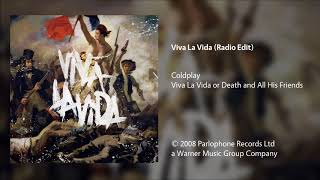
Watch the official Viva la Vida - Radio Edit
music video
Who’s Speaking, and to Whom?
The narrator is in first person, humbled and a little haunted. He talks to listeners—and maybe to the person he wronged—admitting that his world was built on weak ground. Lines like never an honest word
and sweep the streets I used to own
show how far he has fallen, from command to consequence.
Interpretation: He’s not only a king. He could be a CEO, a star, or anyone who cut corners and is now living with the bill.
From Glory to Ruin: A Tight Timeline
Here’s the story in four beats:
- Peak: crowds cheer; enemies fear him; he “held the key.”
- Crack: the line
long live the king
signals a handover and the start of instability. - Collapse: walls close in; foundations fail—those
pillars of salt
and sand. - Reckoning: he hears bells and choirs as rivals call for his head; he doubts he’ll pass heaven’s gate.
The radio edit compresses this arc, making the rise-and-fall feel like one breathless sweep.
Symbols, Faith, and Revolution
Coldplay stack the song with images. The “old king” and calls for a head on a plate nod to revolution and historical trials. Many listeners read a French Revolution angle, with a narrator who echoes Louis XVI, but the band keeps it open on purpose.
Religious language makes the judgment sting sharper. The reference to Saint Peter suggests the gatekeeper will deny him. Those unstable “pillars” point to moral shortcuts. And the chorus turns history and faith into sound:
I hear Jerusalem bells a-ringin' Roman Cavalry choirs are singin'
Interpretation: The bells are not just church bells; they’re alarm bells. When your actions catch up with you, the whole world seems to ring.
Radio Edit and Production: Why It Hits Hard
Clocking around 3:45, the radio edit moves faster than the album cut, pushing the string loop and chorus up in the mix. That urgency fits a man racing through his regrets. There’s less intro wander, more forward motion.
The arrangement—baroque/orchestral pop with art-rock sweep—pairs confession with triumph. It sounds victorious even as the words admit defeat. That clash is the hook: regret you can shout with a crowd.
How Sound Choices Deepen the Story
Coldplay and their producers (Markus Dravs, Brian Eno, Jon Hopkins, Rik Simpson) sculpt a grand, marching feel. A church-bell color in the chorus locks in the theme of judgment. Davide Rossi’s layered strings give the song its royal pageantry while keeping a human pulse.
As the narrator’s empire crumbles, the arrangement builds. The contrast tells its own truth: public spectacle can hide private collapse, but not for long. When the beat drops out and returns, it mirrors power slipping, then the memory of power roaring back.
A Final Word on Meaning
What’s the meaning of Viva la Vida - Radio Edit Coldplay in everyday life? It’s a reminder that success without honesty can’t hold. The king’s final fear—wondering if Saint Peter will call his name—shows how legacies are judged by truth, not trophies.
Interpretation: Whether you hear a French monarch, a modern tycoon, or a flawed lover, the lesson stands. Build on rock, not sand. And if you fall, own it, learn, and live—viva la vida.
Disclaimer: Song meanings are subjective; this reading blends the lyrics with band commentary and widely discussed context. Your interpretation may differ—and that’s part of the song’s power.