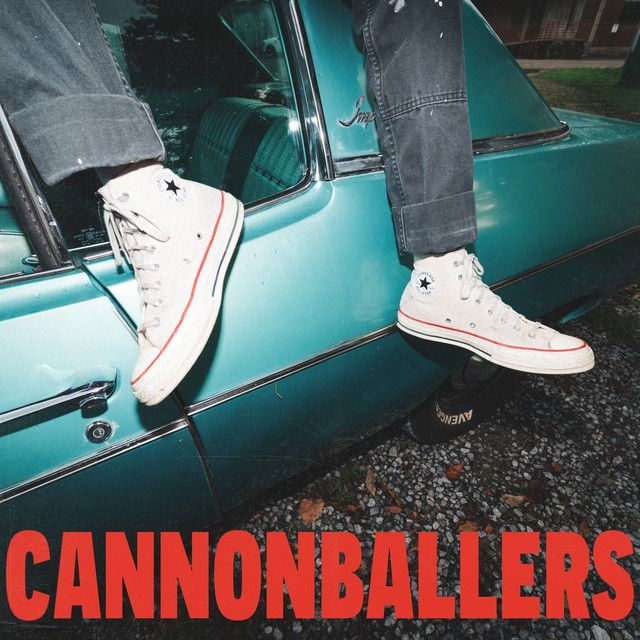
Cannonballers by Colony House
They turn a highway crawl into a mirror. Colony House’s Cannonballers is a fast, jangly song about the cost of always being in motion. The hook sounds like celebration, but the verses keep asking a hard question: why chase momentum when it keeps fraying the soul?
"Cannonballers" - Colony House
In the left lane crawling 58 on the freeway
Ears a ringing keychain, pressure in the blood
Loading lyrics...
Unable to load lyrics
We're unable to display the lyrics at this time. Please try again later.
Chasing the rush, dodging the crash
Interpretation: The meaning of Cannonballers Colony House centers on speed as a lifestyle—ambition, image, and shortcuts stacked on top of anxiety. The opener paints sensory overload: traffic, ringing ears, pressure in the blood. The narrator calls themselves a time bomb ticking
, showing how stress has become their baseline.
They are not pointing fingers at others. They’re turning the lens inward, asking, why are you running?
That refrain reframes the whole song as self-interrogation rather than a boast.
The voice behind the wheel
The song speaks in first person, but the perspective feels universal. Their bravado cracks with confessions like cooked the books
and images of a television preacher
, suggesting guilt, shallow fixes, and performative faith. Interpretation: The narrator suspects they’ve been chasing optics—success, approval, and quick absolution—more than truth.
What actually happens in the verses
- They feel stuck in traffic while wired with panic. Even standing still, their mind is flooring it.
- They admit to cutting corners and hiding the evidence, swapping real connection for small talk and dodges.
- Each attempt to outrun the unease snaps back to the same inner question.
The pattern matters: rush, mask, question—repeat. That loop sets up the chorus.
The hook that flips the mood
Hardtop Impala
Blank checks and cannonballers
On first pass, the hook sounds triumphant—like a summer freeway montage. But the images undercut the flex. A classic car promises freedom; “blank checks” suggest limitless means; “cannonballers” implies a fearless plunge. Yet the line that trails the chorus—can’t borrow time
—is the tell. Interpretation: Money and momentum can buy access, not extra hours.
Symbols with skid marks: cars, cash, and trains
- Hardtop Impala: Americana muscle and nostalgia. It’s the dream of control—hands on the wheel, open road, destiny ahead. The song hints that control is an illusion when you’re running from yourself.
- Blank checks: The fantasy of infinite credit. It pairs with the warning that you still
can’t borrow time
. Cash solves bills, not mortality. - Wabash whistle: A ghost of the folk standard and Midwestern rail lines, the train suggests time and fate moving whether you’re ready or not. Trains don’t swerve for you; they keep schedule.
- Television preacher: Shortcut spirituality or a commercialized cure. It’s faith as broadcast, not as transformation—useful when you want comfort without slowness.
- Boxing feints (“jabs and hooks”): Life as a fight, but the punches are conversational—another metaphor for dodging the real issue.
Together, these images show a country of speed and spectacle, where the loudest thing might be the quiet question within.
Guitars that rev, drums that floor it
Sonically, Cannonballers leans on bright, surf-tinged guitars, punchy drums, and chantable “sha la la”s that feel like windows down on a July afternoon. Interpretation: That sunlit gloss isn’t a contradiction; it’s the setup. The rush of the arrangement sells the appeal of going fast, just as the lyrics warn what it costs.
The tempo is brisk, vocals ride close to the front, and the band stacks harmonies for a communal, stadium-ready feel. That shared lift turns the private doubt into a crowd question—everyone yelling along while wondering if the race is worth it.
Two road signs for the ending
Interpretation 1: Personal confession. The narrator is confronting burnout and moral drift—choosing shimmers (cars, checks, status) over the slow work of change. The refrain is an invitation to stop, not a dare to go faster.
Interpretation 2: Cultural critique. The song juggles symbols of American motion—freeways, railroads, televangelists—to sketch a nation hooked on speed. It asks whether the country’s love of bigness and boldness has become its own anxiety machine.
Why this song sticks
They offer catharsis without easy answers. The chorus thrills, but the verses keep tapping the brakes. In that tension lives the real hook: a catchy soundtrack for finally pulling over, looking in the rearview, and deciding what to leave behind.
Final note
This reading is one interpretation based on the lyrics and public context; listeners may reasonably hear other shades and meanings.








