Why Colter Wall's 'Big Iron' Still Hits Hard
The meaning of Big Iron Colter Wall starts with a familiar Western setup: a quiet ranger enters town, a feared outlaw waits, and everyone expects blood. But the song lasts because it does more than tell a gunfight story. In Colter Wall's hands, it becomes a meditation on reputation, duty, and the strange speed with which legends are made and broken.
"Big Iron" - Colter Wall
Hardly spoke to folks around him, didn't have too much to say
No one dared to ask his business, no one dared to make a slip
Loading lyrics...
Unable to load lyrics
We're unable to display the lyrics at this time. Please try again later.
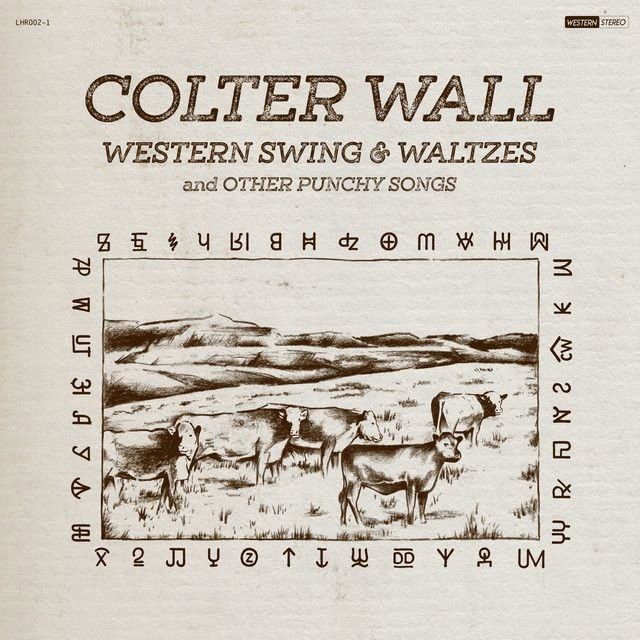
Marty Robbins wrote and first recorded the song for Gunfighter Ballads and Trail Songs in 1959, with the single arriving in 1960, according to the documented release history summarized by Wikipedia's entry on the song. Colter Wall later covered it on Western Swing & Waltzes and Other Punchy Songs in 2020. That gap matters: Wall is not reinventing the plot so much as re-voicing a classic for listeners who still respond to old cowboy myth.
A Ballad About Fear, Order, and Reputation
At the story level, the plot is simple. A stranger rides into town, people whisper, and they realize an Arizona Ranger has come for Texas Red, a killer whose name has already scared off challengers. The repeated image of the weapon on his side turns the ranger into a moving symbol before he even acts.
That is the song's first big idea. Everyone in town believes in Texas Red's history. They know the outlaw by rumor, body count, and fear. The ranger, by contrast, arrives with silence. The drama comes from the clash between public reputation and private competence.
When the lyric keeps returning to big iron on his hip
, it is not only describing a gun. It is building suspense around authority itself. The weapon stands for law, readiness, and a kind of old Western certainty.
Watch the official Big Iron
music video
How the Story Builds Its Myth
The town speaks before the ranger does
One reason the song works so well is its point of view. The narrator stays outside the action and watches the town react. That third-person distance makes the showdown feel like folklore instead of confession.
The townspeople's fear shapes the mood. They whisper that the stranger is here to do some business
, and the phrase sounds almost casual. But the understatement makes the threat feel larger.
Texas Red is all legend—until he isn't
The outlaw is introduced through numbers and rumor. They hear he is only 24, but already deadly, and the line about one and nineteen more
reduces human lives to notches. That cold counting matters. It makes Texas Red seem less like a person than a reputation made of violence.
Then the song strips that legend away in seconds. By the time the two men meet, the town expects the ranger to die. Instead, the story pivots on one fatal mistake, and the outlaw becomes just another body in the street.
What Colter Wall Brings to the Meaning
Wall's cover lands differently because of sound and persona. They are known for a low, weathered voice and a deep interest in cowboy, folk, and Western traditions, all of which fit naturally on Western Swing & Waltzes and Other Punchy Songs. In their version, the performance feels less polished and more dust-covered.
That matters for interpretation. Robbins' original is brisk and classic, shaped by Nashville studio craft; the song was recorded at Bradley Studios and produced by Don Law and Marty Robbins, as noted in the available song history at Wikipedia. Wall leans into a more lived-in atmosphere. The steady rhythm, unhurried phrasing, and traditional country-western instrumentation make the showdown feel inevitable rather than flashy.
In other words, Colter Wall emphasizes endurance over spectacle. The ranger does not sound like a superhero. They sound like someone who has done this before and knows exactly how such stories end.
The Hook Makes Justice Feel Inevitable
The refrain is crucial because it keeps turning one image into a legend. By repeating big iron
, the song makes the gun larger than a physical object. It becomes a badge, a warning, and finally proof.
Interpretation: in Wall's version especially, the refrain suggests that justice in Western ballads often arrives as an object before it arrives as an idea. The town sees the weapon first and only later understands the person carrying it.
There is also irony in that. Texas Red has a violent record, but his fearsome image cannot save him. The ranger's power is quieter. The song suggests that true force does not need boasting.
A Western Ballad That Still Travels
"Big Iron" has had unusual staying power. It was named one of the top Western songs by the Western Writers of America, and its audience grew again in the 21st century through Fallout: New Vegas and later reuse in the Fallout TV series, according to the song's documented cultural history at Wikipedia. That revival helps explain why Wall's cover found ready listeners.
The story still travels because it is clean and universal:
- fear spreads faster than facts
- reputation can collapse in a moment
- duty often looks boring until it matters
- violence creates myths, but so does restraint
That final point is key to the meaning of Big Iron Colter Wall. The cover is not just about who shoots faster. It is about the difference between fame and character.
Final Take: More Than a Cowboy Shootout
Colter Wall's "Big Iron" keeps the old plot intact, but their delivery brings out its fatalism and gravity. The song is really about how communities imagine power, how legends are tested, and how calm purpose defeats noisy menace.
Interpretation: listeners can hear it either as a straight celebration of frontier justice or as a ballad about how quickly myth turns into memory. Both readings fit the song's design.
This article offers an interpretation, not a definitive statement of intent. Songs can support more than one meaning, and different listeners may hear different truths in the same ride into town.








