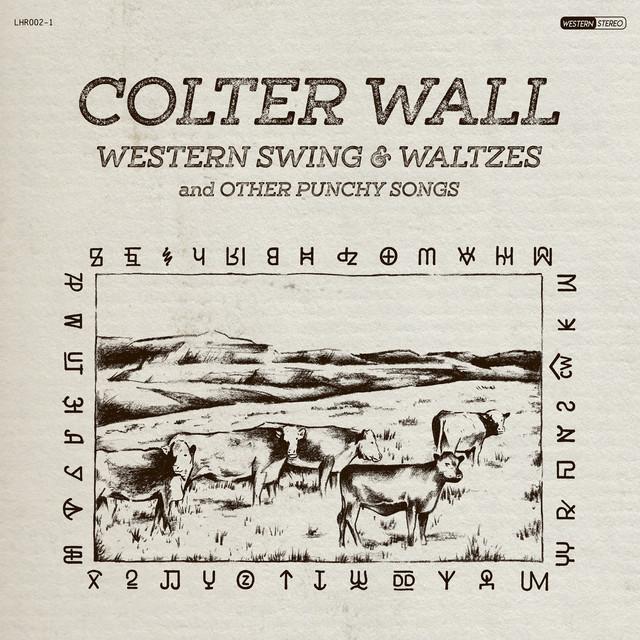
Cowpoke by Colter Wall
They come to “Cowpoke” for the dust, the quiet, and the stubborn pride. Listeners searching for the meaning of Cowpoke Colter Wall will hear a man who chooses the open range over a settled life, and accepts the loneliness that comes with it.
"Cowpoke" - Colter Wall
And the good lord knows the reason, I'm just a cowpoke
From Cheyenne to Douglas, the ranges I know
Loading lyrics...
Unable to load lyrics
We're unable to display the lyrics at this time. Please try again later.
Freedom’s Price on the Open Range
The song opens with a conflict that defines everything that follows: contentment versus lack. Wall sings:
I'm lonesome but happy, rich but I'm broke And the good lord knows the reason, I'm just a cowpoke
Right away, he frames a life that’s emotionally steady but materially thin. He isn’t asking for pity. He states a fact and names the trade-off. The narrator is proud of the work and the road, but he knows it keeps him apart from roots and comfort.
Watch the official Cowpoke
music video
A Drifter Narrates His Own Legend
The voice is first-person and plainspoken. He claims wide country by listing towns and ranges, then shrugs that he will drift with the wind
. This is not a letter to a lover or a plea to return home. It’s closer to a self-portrait scratched into a fence post.
When he admits he’s wearing worn-out jeans
and jokes he’ll go back to beans
, he undercuts any tall-tale swagger. These small domestic details make the myth human. The cowboy is independent and capable, but he also budgets dinner.
The Road, in a Few Scenes
A simple timeline guides the song’s movement:
- He lives with tension:
lonesome but happy
,rich but I'm broke
. - He wanders the West by habit, not plan.
- He’ll earn cash riding broncs at the rodeo when he needs it.
- He daydreams of meeting a springtime filly and holding that thought all summer.
- He returns to his creed: stay free,
never be branded
.
Each beat shows motion without destination. Money comes and goes; seasons pass. Freedom is the only fixed point.
The Hook as a Brand of Identity
There isn’t a pop chorus, but the refrain functions as one: he will not be owned or broken. That promise reframes the earlier hardship as chosen, not suffered. Interpretation: the hook isn’t just catchy—it’s the character’s code. By repeating his status as a “range-ridin’” cowpoke, he tattoos the ethic onto the song and himself.
Symbols That Do the Heavy Lifting
- Clothing and food:
worn-out jeans
and beans signal scarcity, but also acceptance of simple needs. - Wind and ranges: movement without roots; the West as both workplace and church.
- Rodeo work: quick cash that risks the body, proof of skill and grit.
- Branding: to “never be branded” collapses two ideas—avoiding literal ranch marks and refusing metaphorical ownership by bosses, bills, or romance.
- The filly in spring: desire and tenderness appear, but only as a daydream. He lets love exist at a safe distance.
Together, these images sketch a code: stay light, stay moving, and pay the toll freedom asks.
How Wall’s Sound Carries the Story
Wall’s 2020 rendition is spare and traditional, letting his baritone sit upfront. The arrangement—acoustic strum, steady rhythm, and gentle steel or fiddle accents—leaves space around the vocal. That sonic “air” mirrors the wide-open ranges in the lyric. His unhurried phrasing feels like campfire talk rather than stage bravado.
The mix avoids modern gloss. It sounds lived-in, like tack that’s been oiled and used. Interpretation: by keeping the production dry and direct, Wall makes the cowboy’s claims feel trustworthy. Nothing distracts from the creed at the center of the song.
Lineage: From Stan Jones to a New Generation
“Cowpoke” was written by Stan Jones, the Western songwriter behind “(Ghost) Riders in the Sky.” Wall’s version arrives as part of his broader effort to revive classic cowboy material for modern ears. In 2020, he released this take around a Western-swing-focused project, aligning himself with the old trail-song tradition while keeping the performance lean and personal.
That context matters. Wall is a Canadian from the prairies, and his catalog routinely centers ranch life and plainspoken balladry. He doesn’t treat “Cowpoke” as nostalgia. He treats it as a working song—one that still has dust on its boots.
Alternate Readings Worth Considering
- Interpretation 1: A freedom manifesto. The narrator admits to hunger and loneliness so he can defend the larger prize—autonomy. In this view, the hardships are receipts that prove the choice is real.
- Interpretation 2: A subtle warning. By keeping love as a daydream and money as a rodeo gamble, the singer hints that total freedom can also be a way to avoid risk of commitment.
Both readings hold, which is why the song feels honest instead of heroic.
Last Marker on the Trail
The meaning of Cowpoke Colter Wall lands as a clear bargain: freedom costs comfort, but it buys self-respect. The song honors people who live with that math every day.
Disclaimer: Song meanings are interpretations based on lyrics, performance, and available context; your own reading may differ.








