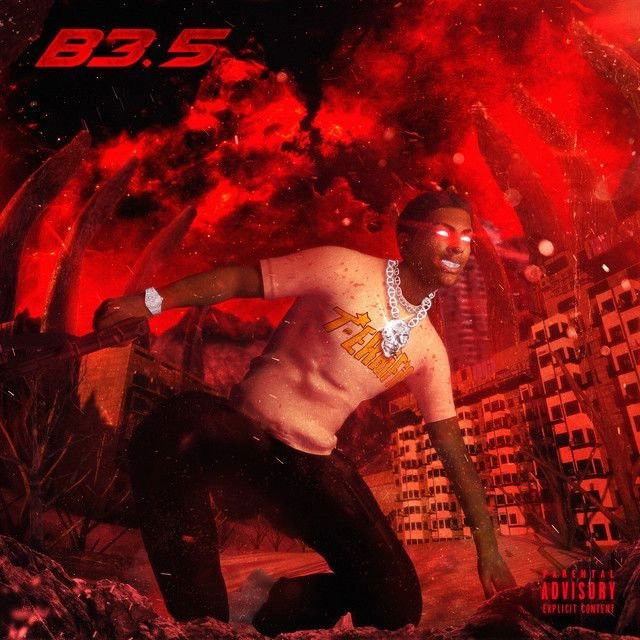
Why Comethazine's Threat Feels So Empty
The meaning of SOLVED THE PROBLEM Comethazine comes down to one idea: this is a song about turning fear into performance. Comethazine delivers the track like a person who refuses debate, refuses softness, and wants every conflict to end on their terms.
"SOLVED THE PROBLEM" - Comethazine
Bricks, bows
Bitch, yeah
Loading lyrics...
Unable to load lyrics
We're unable to display the lyrics at this time. Please try again later.
That does not make the song subtle. It is built on shock, repetition, and menace. But under all that noise, there is also grief, paranoia, and a need to prove control.
A Hook Built Like a Warning Siren
The chorus repeats where the bricks, where the bows?
over and over. On the surface, it sounds like a chant about weapons, supply, and readiness. The repetition matters because it turns the phrase into more than a question.
It becomes a world view. In this song, the narrator scans every situation for tools, threats, and power. Instead of asking who is right, they ask who is prepared.
That is a big part of the meaning of SOLVED THE PROBLEM Comethazine. The hook frames life as constant pressure. Everything is about being armed, alert, and one step ahead.

Watch the official SOLVED THE PROBLEM
music video
Grief Hides Inside the Aggression
One of the most revealing moments is the reference to R.I.P. Phillip
. That short line changes the song’s emotional center. Suddenly, the rage does not feel random.
It feels tied to loss. Right after that, the narrator says they are now handling enemies on my own
, which suggests isolation after losing a close ally.
Interpretation: this is where the song gets more complicated. The threats may be exaggerated, but the feeling of abandonment sounds real. The track presents violence as a response to grief, or at least as armor built after grief.
How the Verses Build a Persona
Comethazine’s verses move quickly between insults, flexes, and violent images. They do not tell a full story with a beginning, middle, and end. Instead, they stack moments that all serve the same purpose: proving dominance.
A few patterns stand out:
- rivals are mocked as fake tough guys
- women are treated as disposable status objects
- public image is managed through force, not words
- wealth is used to show that robbery is beneath them
That last point is important. When the narrator says they are rich enough that they do not need to rob anyone, the song ties violence to ego rather than survival. It is not about need. It is about control.
The Title Explains the Song’s Cold Logic
The title lands hardest because it reduces a human conflict to a neat result. In the key line, the narrator says I solved the problem
after describing lethal force. The phrase is chilling because it sounds casual.
It turns brutality into efficiency. No moral struggle, no reflection, just removal.
Not going back and forth
I solved the problem
That short progression captures the song’s logic. Talking is weakness. Escalation is clarity. The title is less about an actual solution and more about the persona’s obsession with appearing decisive.
Sound First, Reflection Last
Comethazine built a career on aggressive trap records and became known through breakout songs like "Walk" and "Bands," while later projects helped cement that hard-edged style, according to Wikipedia. The same source notes that "Solved the Problem" was certified Gold by the RIAA and charted on New Zealand’s Hot chart, showing how well this approach connected with listeners.
His style has often been described as "anti-melody," meaning the energy comes less from a singable tune and more from bass, rhythm, and blunt vocal attack, as summarized by Wikipedia. That description fits this track well.
The production feels stripped down and heavy. There is very little softness in the arrangement. The beat gives Comethazine a hard floor to stomp on, and his delivery stays dry, sharp, and almost indifferent.
That matters for interpretation. If the beat were emotional or dramatic, the song might feel conflicted. Instead, it feels numb. The instrumental supports the idea that the narrator has flattened every emotion into aggression.
Status, Image, and Public Respect
Another layer of the song is image management. One line dismisses arguing online and chooses direct action instead. In plain terms, the narrator rejects social-media back-and-forth because public silence can look stronger than digital drama.
Even the detail about fresh white sneakers matters. It sounds minor, but it signals pride, presentation, and disrespect triggers. In this world, identity is tied to visible control over both body and style.
So the song is not only about violence. It is also about maintaining a reputation that no one should test.
A Snapshot of Comethazine’s Rap Persona
Factually, Comethazine is an American rapper from East St. Louis, Illinois, whose catalog spans trap, drill, and SoundCloud rap lanes, per Wikipedia. Writers listed in the provided credits are Divjot Anand and Frank Childress.
Interpretation: in this song, they lean fully into the Comethazine persona that helped make songs like "Walk" viral. The voice is not inviting empathy. It is demanding submission.
That is why the track can feel both effective and hollow. Its force is real, but its emotional world is narrow by design.
Final Take on the Meaning
The meaning of SOLVED THE PROBLEM Comethazine is not that violence truly solves anything. It is that the narrator wants to sound like someone who believes it does. The song uses grief, intimidation, and status symbols to build a character who sees mercy as weakness.
For listeners, the appeal is less in the literal events than in the intensity of the pose. Interpretation: the song works as a portrait of anger hardened into identity.
Disclaimer: This interpretation is based on the lyrics, performance, and available public context. Song meaning can vary from listener to listener.









