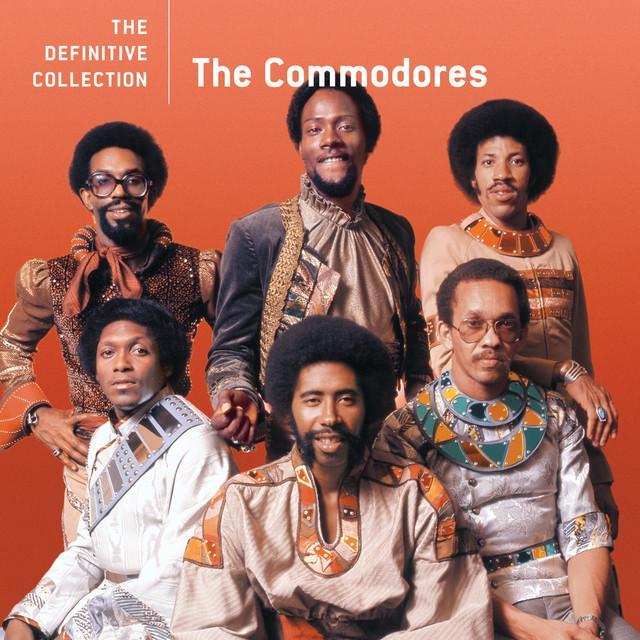
Why ‘Still’ by Commodores Still Hurts
The meaning of Still Commodores comes down to a hard truth: love can remain even after a relationship has failed. This 1979 ballad is not really about winning someone back. It is about looking at the wreckage honestly, admitting mutual mistakes, and realizing that deep feeling does not disappear just because two people could not make life together work.
"Still" - Commodores
And I'm without you once again
You laughed at me, you said you've never needed me
Loading lyrics...
Unable to load lyrics
We're unable to display the lyrics at this time. Please try again later.
Released on Midnight Magic and issued as a single in September 1979, “Still” became the Commodores’ last U.S. No. 1 hit, topping both the Hot 100 and R&B charts, according to Songfacts and Wikipedia. That success matters because it shows how strongly listeners connected with its emotional clarity.
A Breakup Song Without Bitterness
At first glance, “Still” sounds like a standard lost-love ballad. But its emotional center is more mature than that. The singer is hurt, yes, yet he is not attacking the other person. Instead, he looks back on a relationship where both people failed each other.
That is why phrases like we made mistakes
matter so much. The song does not place all blame on one side. It treats heartbreak as shared history. Even when the narrator remembers being laughed at or pushed aside, he does not stay in anger. He circles back to care.
Interpretation: This is what gives the song its unusual power. It suggests that the end of love and the end of a relationship are not always the same thing.

Watch the official Still
music video
The Story Behind the Song Adds Depth
The background helps explain why the lyrics feel so grounded. Songfacts reports that Lionel Richie wrote “Still” after a long overnight talk with his childhood friend William “Smitty” Smith, whose marriage was falling apart. The idea was painful but practical: sometimes people separate in order to save what little kindness remains.
That context fits the lyric perfectly. The song is not about a sudden fight. It sounds like the aftermath of a long decline, where two people have tried, failed, and finally seen what the damage has become.
A Quiet Timeline of Regret
The song moves through a few clear emotional stages:
- He wakes into absence and feels the loss again.
- He recalls pride, conflict, and emotional games.
- He admits both people were hurt and confused.
- He lands on one final truth:
I do love you
.
That structure is simple, but it is devastating. Each verse gathers details, then the chorus strips everything down to one word: Still
. The whole song turns on that word.
How the Chorus Changes Everything
Many breakup songs build toward closure. “Still” does the opposite. Every verse seems to move toward acceptance, but the chorus reopens the wound. After memories, blame, and self-examination, the singer admits the feeling never left.
So many dreams that flew away
So many words we didn't say
Those lines are brief, but they carry the song’s biggest idea: the relationship was damaged not only by conflict, but also by silence. Dreams vanish, and important words remain unspoken. The loss is emotional, but also deeply practical. A life that might have been built together is gone.
Interpretation: The chorus is not begging for reunion. It sounds more like testimony. He is naming what remains after the storm has passed.
Memory, Pride, and the Pain of Mutual Failure
A key part of the meaning of Still Commodores is memory. The narrator cannot stop replaying what happened. He remembers the wounds, but he also remembers tenderness. That split creates the song’s ache.
Short phrases such as locked away
and deep in my heart
show how private this pain is. He is not performing sadness for an audience. He is carrying it internally, almost like a burden he has learned to live with.
Another important phrase is too blind to see
. That line points to emotional immaturity. The song suggests the couple may have loved each other all along, but pride, fear, and bad habits kept them from acting with care. In that sense, the tragedy is not lack of feeling. It is failure to recognize what they had while they had it.
Why the Sound Feels So Gentle and So Crushing
The production reinforces the lyric at every turn. “Still” begins with soft piano and a slow pace, giving Richie space to sound intimate rather than dramatic. Wikipedia’s summary of contemporary reviews notes praise for the song’s “soft, building piano figure,” “plaintive lead vocal,” and simple arrangement that later opens into fuller horn and string color.
That gradual build matters. The song starts like a private confession and slowly becomes larger, almost cinematic. It mirrors the way memory works: one small thought leads to a flood.
Richie’s vocal is central to that effect. He does not oversing the verses. He sounds careful, as if revisiting old pain without wanting to disturb it too much. When the chorus arrives, the emotional pressure rises, but the performance still stays controlled. That restraint keeps the song believable.
Why “Still” Endured
“Still” stands out in the Commodores catalog because it shows the Lionel Richie ballad style in full bloom: elegant melody, emotional plainness, and adult conflict handled with dignity. While the group was known for funk and upbeat tracks too, Richie often supplied the softer songs, helping balance their albums.
The song also lasts because its message is common and difficult to say out loud. People do sometimes leave each other and still care. They do sometimes understand the problem only after the damage is done.
The Lasting Meaning
In the end, the meaning of Still Commodores is about love that survives failure, even when the relationship itself cannot. It captures the sadness of knowing two people mattered to each other and still could not get it right.
That is why “Still” remains powerful. It does not promise healing, revenge, or reunion. It simply tells the truth that some feelings outlive the life built around them.
Interpretation disclaimer: Song meaning is never fully fixed. This reading is based on the lyrics, recording context, and documented background, but listeners may hear different shades of regret, forgiveness, or acceptance.







