The Meaning Behind Connie Constance’s 'Mood Hoover'
Why does a love song about a drain still feel like a rush? Connie Constance’s “Mood Hoover” turns a sour insult into a badge of chaotic, all-in devotion. The track holds two truths at once: the relationship wears them out, and they can’t stop choosing it.
"Mood Hoover" - Connie Constance
Sucking the life out of my soul again
And I think I'm a professional scuba
Loading lyrics...
Unable to load lyrics
We're unable to display the lyrics at this time. Please try again later.
The meaning of Mood Hoover Connie Constance
“Mood Hoover” is about staying in a relationship that both depletes and defines you. The title phrase mood hoover
paints the partner as an emotional vacuum, yet the narrator keeps circling back to commitment. Across the verses, they describe grand gestures and gritty flaws, then wrap it all in the chorus’s vow: for better and for worse, this is love.
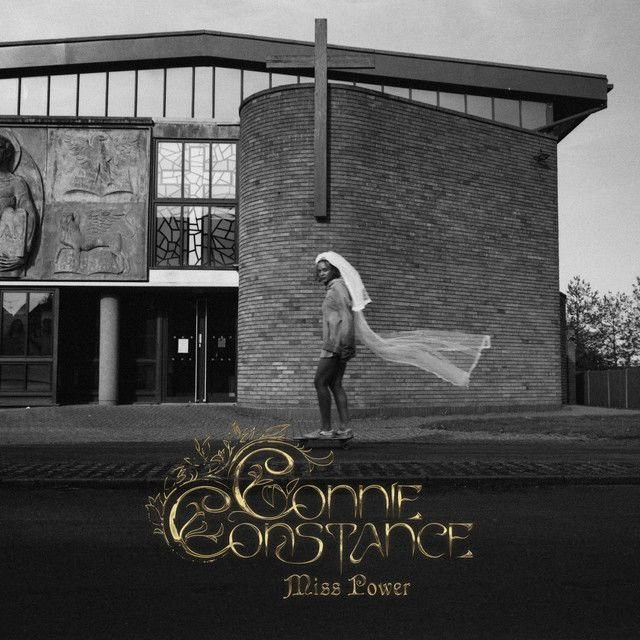
Factually, the song sits on Connie Constance’s second album, Miss Power (2022). In interviews around the album, she described chasing danceable, punk-leaning indie energy and drawing on real relationship baggage. She’s said the term “mood hoover” came from her mum during the pandemic, which fit the messy, affectionate tone she wanted for the track.

Watch the official Mood Hoover
music video
Who’s speaking, and to whom?
The narrator addresses a partner directly, flipping between exasperation and admiration. When they nod to flowers in the rain
and the world is my stage
, they imagine public devotion that borders on theater. That fantasy clashes with all the little abrasions of daily life. The result is a voice that sounds both self-aware and addicted to the spark.
From spark to cracks: a quick timeline
- Early flame: The narrator is hooked and dramatic, promising outsized acts of love.
- Friction: Real-life traits grind them down; the partner feels like a
stubborn stone
in their shoe. - Justification: Despite the drain, they insist the pair is special and misunderstood.
- Escalation: The chorus hammers commitment, even as the vignettes get wilder and more reckless.
- Doubt: By the end, a cut-off line hints the center might not hold.
Why the chorus lands like a confession
The refrain repeats for better or worse
, echoing wedding vows without the neat ending. Interpretation: repetition works like self-persuasion. If they say it enough, maybe devotion can outrun damage. The phrase also mirrors the song’s production—driving, hooky, built to be shouted with friends who know complicated love firsthand.
Symbols that do the heavy lifting
- Mood hoover: A vivid metaphor for emotional drain and co-dependency. It admits harm without ending the bond.
- Underwater survival: The narrator imagines themselves as a diver, signaling the effort it takes to keep breathing in this love.
- Public romance: Gestures like
flowers in the rain
or staging the world turn love into performance—dramatic, intoxicating, hard to maintain. - Grit and drag: The
stubborn stone
image captures how tiny daily frictions can shape a whole relationship. - Decadent extremes: Champagne baths and illicit scrawls feel like reckless bonding—fun, unsustainable, and perfect in the moment.
How the sound amplifies the story
Miss Power was built for movement—punchy guitars, big hooks, and a punkish edge. “Mood Hoover” rides that template with an indie-rock drive and a chantable chorus that makes the vow feel communal. Interpretation: the energetic arrangement puts adrenaline behind ambivalence. You can hear the narrator powering through doubt, riding drums and melody to turn a private mess into an anthem.
Context that sharpens the lyrics
Constance cut this album with close collaborators and leaned into the indie lane she’s long championed. Press around Miss Power highlighted its dramatic, empowering streak and frank talk about heartbreak and mental health. Within that frame, “Mood Hoover” sits as the messy-love centerpiece—playful, raw, and unafraid to show the clashing truths of intimacy.
Other ways to hear it
- Interpretation: A portrait of co-dependency. The vow masks exhaustion, and spectacle covers fear of letting go.
- Interpretation: A satire of performative romance. The narrator knows the theater of love can be as alluring as love itself.
The line that lingers
The clipped outro—come back togeth-
—leaves the question hanging. Interpretation: even the song can’t finish the promise. That open end is the most honest part.
Takeaway
The meaning of “Mood Hoover” is the cost of staying. Connie Constance shows how love can be a drain and a lifeline at once, and how a great chorus can turn confusion into courage.
Disclaimer: Song meanings are subjective. This analysis reflects one interpretation based on lyrics, context, and public commentary.
Sources
- https://www.nme.com/news/music/connie-constance-announces-second-album-miss-power-shares-empowering-new-single-till-the-worlds-awake-listen-3278096
- https://www.nme.com/features/music-interviews/connie-constance-interview-miss-power-album-skins-2022-3325934
- https://www.thelineofbestfit.com/news/latest-news/connie-constance-announces-second-album-new-single-till-the-worlds-awake









