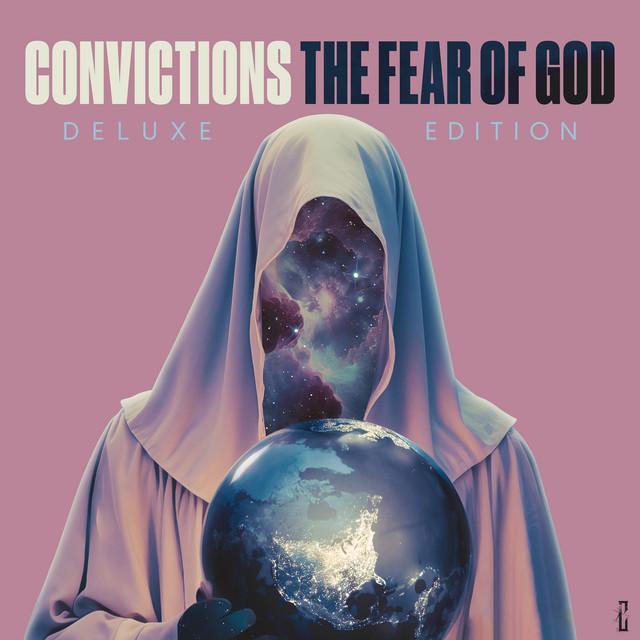
What "Sleeping Lotus" by Convictions Means
The meaning of Sleeping Lotus Convictions centers on spiritual exhaustion, identity loss, and the painful process of waking back up. The song presents a speaker who feels buried under anxiety, defeat, and numbness, yet still reaches for God in hope. That tension gives the track its power: it sounds like a cry from the bottom, but also like the start of renewal.
"Sleeping Lotus" - Convictions
Wake up, wake up
I've grown restless, searching through the darkness
Loading lyrics...
Unable to load lyrics
We're unable to display the lyrics at this time. Please try again later.
Convictions are known in the metalcore space for blending heavy breakdowns with openly Christian themes, and this song fits that pattern. Based on the provided credits, the track was written by Jacob Flores, Lee Albrecht, Michael Felker, Patrick Shekut, Quinton Dreier, and Zach Schwochow.
A Prayer Disguised as a Breakdown
At the heart of the song is a plea for revival. The speaker is not just sad or tired. They feel spiritually asleep, cut off from purpose, and unable to move forward. Early lines describe restlessness and searching through darkness, which suggests someone actively looking for meaning but repeatedly hitting defeat.
That is why the hook matters so much. When the song repeats Wake up, wake up
, it is not just a dramatic chant. It sounds like a command directed at the self, the soul, or even the faith that has gone dormant. Interpretation: the chorus frames awakening as something urgent, not gentle.
The title image also matters. A lotus usually represents growth, purity, or beauty rising from mud. Here, that flower is asleep. Instead of blooming, it is stuck in suspension. The song takes a symbol of life and turns it into an image of unrealized purpose.
Where the Lyrics Move Emotionally
The verses trace a clear emotional arc. First, the speaker is searching. Then they admit they are overwhelmed, describing a state close to drifting or collapse. Later, they ask God to intervene directly and restore what has been lost.
A few short phrases reveal that movement. searching through the darkness
shows effort without clarity. constant defeat
captures the emotional pattern that keeps breaking their hope. Then God set me free
introduces the song's central turning point: the possibility that rescue is real, even if it has not fully arrived yet.
This makes the song feel less like a testimony told from safety and more like a prayer happening in real time. The speaker still feels unstable. They still sound close to falling under. But they keep reaching upward.
Faith, Anxiety, and a Lost Sense of Self
One of the song's strongest ideas is how it links spiritual struggle with mental and emotional strain. The lyrics describe anxiety as a force that tightens around the speaker and keeps them stuck. They also admit confusion about identity, saying they have lost sight of who they are.
That combination is important. The song does not treat faith as a simple fix. Instead, it shows how doubt, fear, and exhaustion can cloud purpose. The request for guidance is therefore bigger than comfort. The speaker wants their whole inner life reordered.
God, water these roots and drown out the doubt
Nourish my purpose, turn me inside out
This is the article's one extended quote, and it sums up the message well. The image of roots suggests something living but underfed. The request to be turned inside out implies deep transformation, not surface relief.
Why the Flower Imagery Hits So Hard
The song's nature imagery gives its struggle a vivid shape. The speaker calls themselves a tattered lily
, which suggests damaged beauty rather than worthlessness. They are not empty; they are worn down. That distinction matters.
Another key phrase is sleeping lotus
. A lotus normally blooms out of dirty water, so it already carries the idea of rising from hardship. By keeping the flower closed, the song captures a person whose potential has been delayed by fear and stagnation.
Interpretation: the flower images may point to a believer who knows they were made for growth but feels trapped in a cycle that keeps that growth from happening. The darkness is not just outside pressure. It has become internal sleep.
How the Sound Supports the Meaning
Even without full production notes, the writing strongly suggests a metalcore setup: heavy guitars, sharp dynamic shifts, and a mix of screamed urgency with cleaner melodic lines. That style serves the message well.
The likely contrast between crushing verses and a chant-like chorus mirrors the song's split between despair and revival. When a band moves from suffocating heaviness into a more open, declarative refrain, it can sound like someone fighting their way back to breath. In this case, the repeated wake-up refrain probably lands like both alarm and invitation.
This matters because Convictions often work in that emotional zone where breakdowns are not just aggressive; they are expressive. The intensity lets the inner battle feel physical.
The Big Takeaway Behind the Meaning of Sleeping Lotus Convictions
The meaning of Sleeping Lotus Convictions is ultimately about waking from spiritual and emotional paralysis. The song portrays a person buried in doubt, anxiety, and defeat, but not abandoned. They ask for light, renewal, and a restored heart because they still believe change is possible.
That is why the song resonates. It does not deny the darkness. It speaks from inside it. Yet it insists that what is dormant can bloom again.
Disclaimer: This interpretation is based on the provided lyrics and publicly available artist context. As with any song, meanings can vary from listener to listener.







