Why "Fantastic Voyage" Is More Than a Joyride
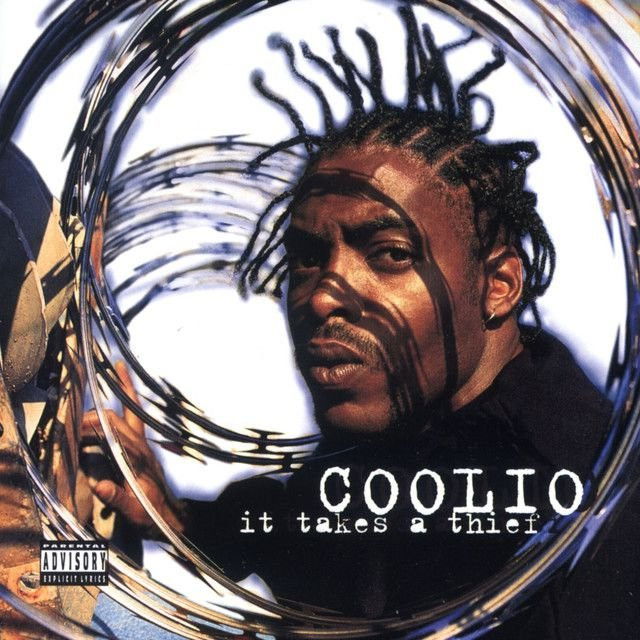
The meaning of Fantastic Voyage Coolio starts with a paradox: the song sounds loose, bright, and made for a summer cruise, but its verses carry fear, pressure, and survival. Released in 1994 on It Takes a Thief, the single became one of Coolio’s first major crossover hits and helped introduce his storytelling style to a wide audience. Factually, it is tied to a funk-driven groove adapted from the Lakeside hit of the same name, which helps explain why it feels so welcoming on the surface.
"Fantastic Voyage" - Coolio
Don't you say shit, just get inside
It's time to take your ass on another kind of trip
Loading lyrics...
Unable to load lyrics
We're unable to display the lyrics at this time. Please try again later.
What makes the track last is that Coolio does not offer escape as pure fantasy. They present a ride out of danger, but also a hard look at why that escape feels necessary.
The Cruise Is Real, but So Is the Pressure
On first listen, the record invites people to get in the car and leave stress behind. The hook, with fantastic voyage
and slippity-slide
, sounds playful and communal. That language turns the car ride into a symbol of relief, motion, and temporary freedom.
But the verses quickly ground that mood in a violent reality. Coolio describes wanting a place where children can be outside without fear and where daily life is not shaped by gang conflict or random death. In plain terms, the song imagines peace because peace is missing.
Interpretation: the “voyage” is not just a physical drive. It is a mental and social escape from neighborhoods where safety, trust, and opportunity feel unstable.
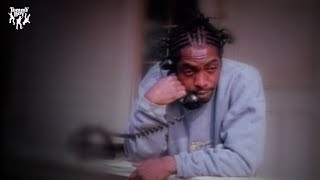
Watch the official Fantastic Voyage
music video
A Dream of Community Without Division
One of the song’s strongest ideas is unity. Coolio imagines a space where people are not split by gang lines, race, or petty ego. When they say there is ain't no bloodin'
and ain't no crippin'
, the point is bigger than naming gangs. They are picturing a room where old boundaries lose power.
That matters because the song does not simply condemn one problem and move on. It keeps asking what a better social world might look like. In that better world, people have enough money to relax, nobody is trying to prove themselves through violence, and racial difference does not stop fellowship.
For U.S. listeners in the mid-1990s, this message landed inside a larger moment when West Coast rap often mixed party energy with reports from the street. Coolio’s gift was making that mix especially accessible.
The Verses Turn the Party Into Testimony
The song’s structure is clever. The chorus is smooth and inviting, but each verse adds weight. Coolio talks about wanting a decent life, feeding a family, and escaping the threat of a drive-by. They also admit disappointment in people who should be protecting each other.
That is why the line my kids can play outside
hits so hard. It is a simple wish, but in context it becomes a measure of how broken the environment feels. The song is not asking for luxury first. It is asking for basic peace.
A later section pushes the point further by saying life stays unfair and systems do not change easily. Even when the beat glides, the writing says survival takes effort, loyalty, and alertness.
A Brief Map of the Story
- The narrator invites everyone into a symbolic ride.
- The destination is a safer, freer social space.
- The verses explain why that space is needed.
- The hook keeps returning, like hope refusing to die.
How the Music Softens and Sharpens the Message
A big reason the song works is sound. The production leans on bright funk textures, a rolling groove, and lowrider movement. That musical choice matters because it creates contrast: listeners feel uplifted while hearing lines about fear and social strain.
The famous car imagery, including hittin' switches
, connects the song to cruising culture, especially in Los Angeles. That detail is not random decoration. In the song, the customized car becomes a small zone of control in a world that feels unstable.
Interpretation: the beat performs the dream before society delivers it. In other words, the music gives listeners a few minutes of the peace the lyrics keep searching for.
Coolio’s vocal delivery helps too. They sound conversational, not distant. That makes the verses feel like street wisdom shared from the front seat, not a sermon.
Why the Hook Feels So Hopeful
The chorus is catchy enough to work at a party, but it also reframes the whole song. A “voyage” suggests movement toward something better, not just running away. Even the phrase mountain high
hints at persistence through obstacles.
That is why the hook does emotional heavy lifting. Every time the verses describe danger, the chorus returns with motion, rhythm, and possibility. It does not erase the pain. It answers it.
More Than Escapism: Two Plausible Readings
Interpretation 1: the song is a celebration of cruising and summer freedom. This reading fits the groove, the lowrider imagery, and the communal invitation of the chorus.
Interpretation 2: the song is a quiet protest record dressed as a party anthem. This reading fits the focus on safe neighborhoods, children, economic stress, and social division.
Both readings can be true at once. That balance is what gives the track its staying power.
Why the Meaning Still Connects
The meaning of Fantastic Voyage Coolio still resonates because it turns a fun ride into a vision of dignity. It says people deserve joy, but also safety, fairness, and a place to breathe. The song never forgets that those needs are linked.
That is why it remains more than a nostalgic hit. Under the bounce is a serious wish: a world where peace is normal, not temporary.
Disclaimer: This interpretation is based on the lyrics, performance, and public context of the song. Meaning can vary by listener.







