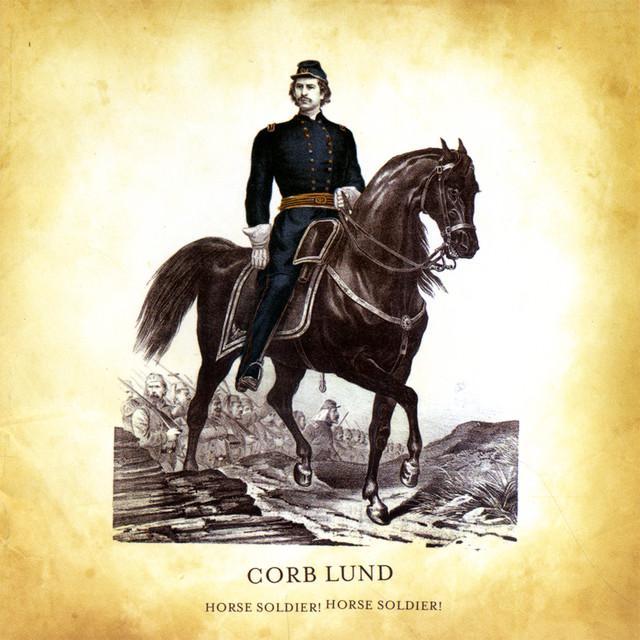
Horse Soldier, Horse Soldier by Corb Lund
A War Song That Refuses Easy Glory
The meaning of Horse Soldier, Horse Soldier Corb Lund starts with a bold idea: the singer is not one man, but a timeless cavalry spirit moving across centuries of war. They appear in battle after battle, changing uniforms, flags, and sides. That makes the song feel huge in scale, but also deeply sad.
"Horse Soldier, Horse Soldier" - Corb Lund
Routing Bonaparte at Waterloo
I'm a dragoon on a dun, I'm a Cossack on the run
Loading lyrics...
Unable to load lyrics
We're unable to display the lyrics at this time. Please try again later.
Released on Corb Lund and the Hurtin' Albertans' 2007 album Horse Soldier! Horse Soldier!, the track fits Lund's habit of mixing western detail, dark humor, and history. Factually, the album came out on Stony Plain Records and was produced by Harry Stinson with the band. That context matters because this is not just a cowboy novelty song. It is a carefully built meditation on warfare, memory, and the fading place of the mounted soldier.
Watch the official Horse Soldier, Horse Soldier
music video
One Rider, Many Armies
At the center of the lyric is a narrator who claims to have fought everywhere: Waterloo, the Mongol steppe, Little Bighorn, the Crusades, Crimea, and Afghanistan. The repeated self-description horse soldier
is the key. They are less a single character than a witness made of many lives.
Interpretation: The song suggests that war keeps changing its costumes, but human conflict stays the same. The rider can be victor, victim, invader, defender, or hired hand. By placing the same voice on every side, Lund strips away simple ideas of good guys and bad guys.
That is why some of the song's strongest moments are about contradiction. The narrator says they fought with one army and then with its enemies too. They are not loyal to one nation. They are loyal to the role itself: the mounted fighter, always moving, always exposed.
How the Verses Build the Theme
The verses work like a fast-moving history tour, but they are not random name-dropping. Each stop adds a new angle to the song's meaning.
- Waterloo shows cavalry in the age of empire.
- Little Bighorn adds the grief of conquest and loss on both sides.
- The Mongol and Crusader references widen the story beyond North America.
- Crimea and World War I show the horse soldier nearing obsolescence.
- Afghanistan brings the idea into the modern era.
One of the smartest lines in the song points to cavalry fighting itself. After describing both Muslim and Christian forces, the narrator admits they were against myself
. Paraphrased, the idea is that the same military tradition repeats under different banners. That is a powerful anti-romantic twist.
The Chorus Turns Pride Into Tragedy
On first listen, the refrain sounds proud, almost chest-out heroic. Phrases like timeless, through and through
give the rider mythic size. But every new verse complicates that pride.
The chorus keeps returning after scenes of slaughter, imperial collapse, and moral confusion. Because of that, the repeated hook does two things at once:
- It honors the skill and identity of cavalry soldiers.
- It traps them in an endless cycle they cannot escape.
No match for rapid fire
steel birds of the sky
Reluctant I retire
This is the emotional hinge of the song. The horse soldier does not die only in battle; they also die as a military idea. Machine guns, aircraft, barbed wire, and armored vehicles replace horse and saber. The old warrior survives long enough to watch their own kind become outdated.
Sound and Production: Dust, Steel, and Motion
The arrangement helps carry that meaning. Lund works in a roots-country lane shaped by acoustic guitar, steady rhythm, and a plainspoken vocal style rather than theatrical drama. That grounded sound keeps the song from feeling like fantasy.
Interpretation: The music mirrors a rider's movement: forward, even, disciplined. There is a rolling quality in the rhythm that feels like hoofbeats without turning the track into a movie soundtrack. The performance sounds weathered, not flashy, which fits a narrator who has seen too much.
The album as a whole sits in a roots/country/blues tradition, and that matters here. A polished arena-rock treatment would have made the song more triumphant. Lund's earthier approach leaves room for fatigue, irony, and reflection.
Why Afghanistan Matters in the Ending
The modern reference to Special Forces riding Afghan horses is one reason the song has lasted. It shows that mounted warfare is not just ancient history. In rare terrain and specific missions, the horse can still return.
That ending keeps the song from becoming a simple elegy. Even after the narrator says modern warfare pushed them aside, they reappear. Not fully restored, but not gone either.
Interpretation: Lund may be saying that old methods never disappear completely. More importantly, the mindset of war endures. Technology changes, but the soldier's burden remains.
The Deeper Meaning of Horse Soldier, Horse Soldier Corb Lund
So what is the meaning of Horse Soldier, Horse Soldier Corb Lund? At its core, the song is about the long history of combat seen through one recurring figure. It honors toughness and tradition, yet it never fully celebrates war. Instead, it shows how martial glory is tangled with grief, repetition, and erasure.
The song also asks listeners to hold two truths at once: cavalry can be romantic in image, and terrible in practice. The narrator is brave, but never innocent. They are everywhere history turns violent.
That balance is what makes the song memorable. It is smart enough to admire the horse soldier's endurance while questioning the systems that keep sending them back into battle.
Final Take Under the Saddle
For many listeners, this is one of Lund's richest songs because it blends storytelling, scholarship, and emotion without sounding like a lecture. They turn military history into a human pattern: people ride out, empires rise, weapons change, and loss remains.
That is the lasting power of the song. It is not really about one war or one nation. It is about the rider who keeps returning whenever history decides to fight again.
Disclaimer: This interpretation is based on the lyrics, recording context, and documented release information. As with any song, listeners may hear different meanings in the same lines.








