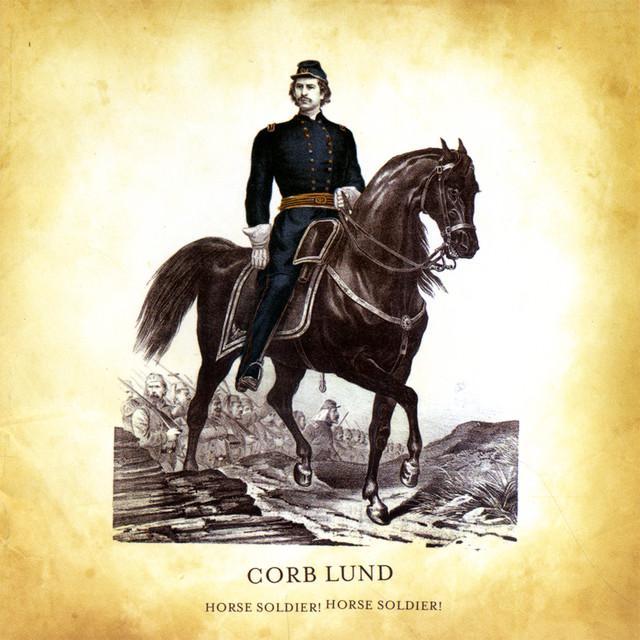
Why "I Wanna Be In The Cavalry" Hurts
The meaning of I Wanna Be In The Cavalry Corb Lund comes from a sharp tension: the song sounds proud and eager, but it ends in grief. They present a narrator who wants war to feel noble, even beautiful. Yet the closer the song gets to battle, the more that dream starts to crack.
"I Wanna Be In The Cavalry" - Corb Lund
I wanna be in the cavalry if they send me off to war
I wanna good steed under me like my forefathers before
Loading lyrics...
Unable to load lyrics
We're unable to display the lyrics at this time. Please try again later.
Corb Lund has long worked in a lane where cowboy music, folk storytelling, and country realism meet. That background matters here. On the surface, this is a song about a soldier begging for a horse, a weapon, and a chance at glory. Underneath, it is about how old myths of bravery can hide the plain truth that war destroys the people who chase that glory.
A War Song About Wanting the Wrong Dream
The clearest way into the song is to notice what the narrator wants. They do not just want to serve. They specifically want the cavalry, the most dramatic and romantic branch in the song’s world. Early lines push that fantasy hard with phrases like in the cavalry
and good steed under me
. Those details make war sound grand, almost cinematic.
But the narrator is not dreaming of safety. They want to charge forward, to be remembered, and to leave behind a legend. That wish for a heroic image matters more than survival. In plain terms, the song is about a person who wants war to give life meaning.
Interpretation: That is exactly what makes the song sad. They are not chasing peace, duty, or defense first. They are chasing a story about themselves.
Watch the official I Wanna Be In The Cavalry
music video
The Narrator Wants Glory More Than Comfort
One of the song’s smartest moves is how honestly the narrator speaks. They admit they would make a poor infantry soldier and would be miserable at sea. That confession gives the song personality. This is not a generic patriot. This is someone who has built a very specific fantasy of who they are.
They want action that suits their self-image: speed, noise, animals, metal, banners, and honor. Brief phrases like lead the charge
and earn my spurs
show that hunger for status. The speaker wants to prove courage in the most visible way possible.
That does not make them evil or foolish. It makes them human. Many war songs deal with fear. This one deals with vanity, longing, and inherited ideas of manhood. The mention of forefathers suggests that part of the desire is ancestral. They want to live up to a legend passed down through culture and memory.
How the Verses Build the Illusion
The song unfolds almost like a recruiting dream. Each verse adds another layer to the fantasy:
- First comes the desire to ride into war.
- Then comes the wish to be brave and remembered.
- Next comes the rejection of other military roles.
- Finally comes the deadly reality waiting at the end.
That progression is important. The imagery keeps getting more vivid, but so does the danger. Swords, guns, bugles, and horses all create movement and excitement. The listener can hear why the narrator is drawn in.
Then the ending changes everything.
I won't ride home no more
That brief closing idea strips the romance away. After all the confidence and pageantry, the last thought is simple: this ride is likely one-way. The dream of honor has always contained death.
Sound and Style Carry the Message
Part of the meaning of I Wanna Be In The Cavalry Corb Lund comes from how it sounds. Corb Lund’s version leans on folk-country textures and a traditional storytelling shape rather than modern rock aggression. That matters because the arrangement lets the old-world imagery breathe.
The melody feels rooted in ballad tradition, which suits a song about cavalry, memory, and sacrifice. The steady tempo resembles a march without becoming stiff. The vocal delivery is clear and direct, which keeps the narrator believable rather than theatrical.
There is also a historical echo in the songwriting itself. The song is connected to Stan Rogers in its musical lineage and has often been discussed in relation to traditional-style North American folk storytelling; Lund’s catalog at his official site shows how often he works in that heritage mode. The result is a song that feels older than its recording, as if it belongs to a much longer chain of stories about soldiers and pride.
A Western Character Study in Disguise
The song also works as a character sketch. Even if listeners ignore the military setting, they can still hear someone trying to turn life into legend. They do not want an ordinary role. They want the horse, the charge, the remembered name.
That gives the song a distinctly Western feeling. Corb Lund often writes about people shaped by land, labor, tradition, and codes of toughness. In that sense, this song is less about military history than about identity. The cavalry becomes a stage where the narrator can perform bravery.
Interpretation: The song may be quietly skeptical of that performance. The louder the narrator’s fantasy becomes, the more the ending exposes its emptiness.
Why the Song Still Lands Today
Modern listeners are far from the age of lances and sabres, but the emotional pattern still feels familiar. People still inherit myths about honor, masculinity, heroism, and sacrifice. They still imagine that one decisive act will prove who they are.
That is why the song remains powerful. It understands the pull of those myths without fully trusting them. A brief look at Lund’s discography shows how often he returns to historical and Western subjects, but few songs cut this deeply between excitement and mourning.
In the end, the meaning of I Wanna Be In The Cavalry Corb Lund is not just that war is deadly. It is that the dream of glory can be deadly too. The song lets listeners feel the thrill of the charge and then forces them to face the silence after.
Disclaimer: This interpretation is based on the lyrics, performance, and available artist context. As with any song, listeners may hear different meanings.








