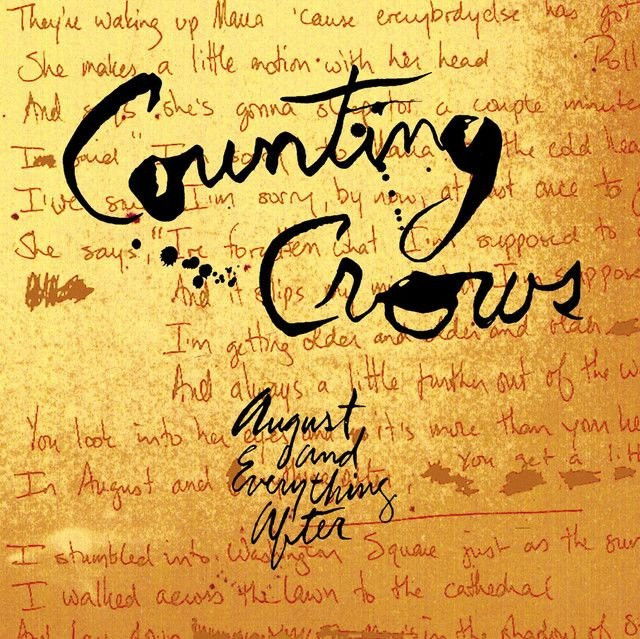
Why 'Omaha' Feels Bigger Than a Place
For many listeners, the meaning of Omaha Counting Crows is not really about Nebraska at all. The song uses a real city name, but it feels more like a map of inner confusion, pressure, and the search for something honest in American life.
"Omaha" - Counting Crows
Run past the heather and down to the old road
Start turning the grain into the ground
Loading lyrics...
Unable to load lyrics
We're unable to display the lyrics at this time. Please try again later.
Released on August and Everything After, Counting Crows' breakthrough 1993 album, Omaha
sits early in the tracklist and helps define the band's mix of folk-rock storytelling and emotional unease. The album was produced by T Bone Burnett and reached No. 4 on the Billboard 200, facts widely noted in major coverage of the band and the record.
A City Name That Opens Into a Bigger Idea
At the most basic level, the song points to somewhere in middle America
. That phrase matters because it turns Omaha into more than a destination. It becomes a symbol of the ordinary center of the country, the place where daily life, labor, disappointment, and hope all meet.
Adam Duritz has said the song is more transcontinental
, meaning its vision stretches across America rather than staying tied to one neighborhood. That comment helps anchor an important reading: Omaha is less a travel song than a song about the emotional geography of the country.
Interpretation: the city works like a stand-in for common American experience. It suggests a place that is central, familiar, and unglamorous, where people are forced to face what really matters.
Watch the official Omaha
music video
The Chorus Cuts Through the Fog
The verses are full of strange, dreamlike images. Then the chorus suddenly sounds almost plainspoken. It says to get right to the heart of matters
, then insists that the heart matters more.
That shift is the key to the song. The imagery may be abstract, but the emotional argument is simple: life gets buried under routines, performance, and social pressure, yet feeling and human truth still matter most.
The line about turning a ticket in and getting money back at the door sounds bitter, but also liberating. It can be heard as a rejection of false promises. If the show, the system, or the role they were sold is empty, then the speaker wants out.
Three Verses, Three Human Cycles
One useful way to hear the song is as a series of life snapshots. The lyrics move through figures like an old man, then another old man, then finally a young man. Each verse shows somebody caught in motion, weather, work, or struggle.
Work, Weather, and Weariness
The song keeps returning to actions like tearing, turning, threading, and rolling. These are physical verbs. They sound like labor. Even when the exact images are surreal, the feeling is grounded in effort and repetition.
Rain also appears again and again. In rock songwriting, rain often suggests cleansing or sadness. Here it seems to do both. It surrounds the characters as if life itself is soaking them, wearing them down, and remaking them.
The Push Against False Power
The repeated challenge to the mister
who might walk on water
adds another layer. The phrase hints at miracle, authority, or someone acting above ordinary people.
Interpretation: the speaker seems suspicious of saviors, bosses, heroes, or anyone who claims special power. Instead of helping, that figure may simply walk all over me
. In other words, greatness without empathy becomes exploitation.
Why the Images Feel So Strange
A lot of Counting Crows songs from this era use stream-of-consciousness writing, and Omaha
is a strong example. The lyrics do not unfold like a neat plot. They arrive in flashes: old roads, grain, needles, wool, banners, earth, rain.
That style can feel confusing on first listen, but it serves the song well. Rather than telling listeners exactly what to think, it creates the sensation of living through overlapping memories and pressures.
somewhere in middle America
right to the heart of matters
the heart that matters more
That brief refrain acts like a handrail. It gives the song a stable idea to hold onto while the verses drift through fractured scenes.
How the Sound Carries the Meaning
Musically, Omaha
helps explain why Counting Crows broke through in the early 1990s. The arrangement has movement, but it never feels shiny or triumphant. Instead, it carries a loose, rootsy momentum that fits the song's unsettled message.
The band blends rock drive with folk texture, and Duritz's vocal delivery is especially important. His voice sounds urgent but frayed, as if the thoughts are arriving faster than they can be organized. That emotional spill matches the lyrics' restless design.
Production matters too. T Bone Burnett's approach on August and Everything After favored warmth and atmosphere over excess polish, which lets the song feel lived-in rather than staged. That grounded sound keeps the symbolism human.
A Few Strong Readings of the Song
There is no single official key that unlocks every image in Omaha
, but several readings fit the song well:
- A critique of American routine. The song may question the cycle of work, aging, and emotional numbness.
- A warning about false promises. The ticket and water-walking images suggest distrust of easy answers.
- A search for emotional truth. The chorus argues that beneath all confusion, the heart is still the center.
Songfacts has described Omaha as a symbol of Middle America, while American Songwriter highlighted Duritz's own view that the song reaches across the continent. Taken together, those ideas support a broad reading: this is a song about place, but also about the people trapped inside larger systems of life and meaning.
Why 'Omaha' Still Connects
Part of the reason the song lasts is that it never becomes too literal. Listeners can hear class struggle in it, spiritual doubt in it, or simple human exhaustion in it. They can also hear resistance.
The final feeling is not pure despair. Even in its confusion, the song keeps pushing toward honesty. It asks what is worth trusting when images, institutions, and promises all start to blur.
That is why the meaning of Omaha Counting Crows still resonates. It turns one American city into a wider emotional landscape, then reminds listeners that after all the noise, the heart matters more.
Disclaimer: This interpretation blends verified context with informed analysis. Like many Counting Crows songs, “Omaha” remains open to more than one reading.









