Why "One Last Breath" Still Hits So Hard
The meaning of One Last Breath Creed comes down to a simple but heavy idea: a person feels dangerously close to giving up, yet they still ask to be saved. That tension is why the song has lasted. It is not only about pain. It is about pain meeting one final thread of hope.
"One Last Breath" - Creed
I'm holding on to all I think is safe
It seems I found the road to nowhere
Loading lyrics...
Unable to load lyrics
We're unable to display the lyrics at this time. Please try again later.
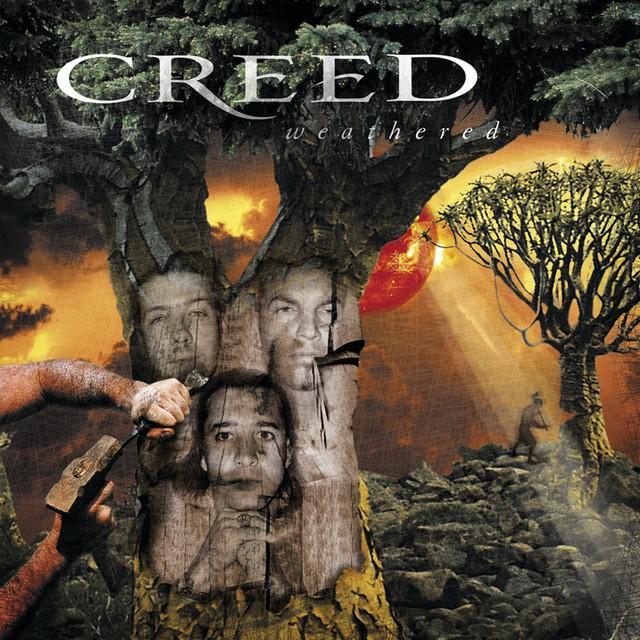
Creed released the song as a single from Weathered in 2002, and it became one of the band’s biggest crossover hits, reaching No. 6 on the Billboard Hot 100. It was written by Mark Tremonti and Scott Stapp, with production credited to John Kurzweg, Kirk Kelsey, and Creed. Those facts matter because the song’s emotional directness was not accidental; the band has described it as one of the most heartfelt pieces from a difficult period.
At the Edge, but Not Over It
On the surface, the song tells the story of someone in crisis. They feel themselves slipping, question the choices that brought them there, and call out for help. Early lines frame that panic with images of falling and trying to escape a dead end. The phrase road to nowhere
says a lot in very few words: they think their life has lost direction.
The chorus sharpens that feeling into the song’s most famous image, six feet from the edge
. In plain language, the narrator feels one step away from disaster. The line hints at death, but it also works as a picture of emotional collapse. They are close enough to imagine the drop.
Interpretation: The song is best read as standing in the space between a destructive thought and a decision to keep living. It describes the dangerous thought clearly, but it does not celebrate it.
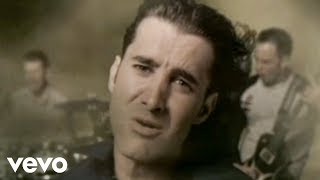
Watch the official One Last Breath
music video
Regret, Faith, and the Need for Rescue
A big part of the song’s power comes from self-examination. The narrator looks back and admits fault. The lyric about reflecting on all of my mistakes
shows that this is not only a song about outside pressure. It is also about shame and personal responsibility.
That inward look then turns upward. The mention of grace and heaven gives the song a spiritual layer, which fits Creed’s broader catalog, where faith language often sits beside human weakness. Here, religion is not presented as easy certainty. Instead, it sounds like a desperate plea from someone who feels worn down.
Heaven, save me
Hold me now
These short lines matter because they strip the song down to need. The narrator is no longer trying to sound strong. They want comfort, forgiveness, and maybe just enough connection to survive the moment.
What Scott Stapp and Mark Tremonti Have Said
Context helps explain why the song feels so raw. According to reporting collected in public sources, Weathered was written during a tense stretch for Creed, and Tremonti later called it one of the band’s darkest periods. Scott Stapp said the song reflected physical, emotional, and spiritual burnout during heavy touring and career pressure. He also said it was about someone crying out for help and leaning on friends.
That does not mean every line is literal autobiography. But it does support the idea that the song grew from real exhaustion rather than invented drama. Stapp also said Creed judged songs by whether they passed the “goosebump test,” and this one clearly did for them. That makes sense: even the structure feels like a confession that became a prayer.
How the Music Carries the Meaning
The arrangement is a big reason the song lands so hard. Tremonti’s clean, arpeggiated guitar opening sounds exposed and fragile. It leaves space around the vocal, which makes the narrator seem alone with their thoughts. When the band gets louder, the emotion widens without losing control.
That balance is crucial. If the track were too soft, it might drift. If it were too aggressive, it might overpower the lyric. Instead, Creed builds the song like a slow emotional rise. The drums and full guitars push the chorus forward, while Stapp’s baritone gives the plea weight and gravity.
There is also a striking contrast between the polished production and the messy feelings inside the song. Recorded during the Weathered sessions in Florida using Pro Tools, it still sounds human rather than clinical. The clean mix lets the hook feel huge, but the performance keeps the hurt in focus.
Why the Ending Changes Everything
What separates this song from pure despair is the late turn toward belief. Near the end, the narrator says there is something left for me
. That line is small, but it changes the whole emotional map.
Instead of ending at the cliff’s edge, the song suggests that connection can interrupt collapse. The mention of sad eyes and staying together implies that other people are watching, caring, and maybe helping. In that sense, the song’s final message is not self-reliance. It is rescue through relationship, faith, or both.
Interpretation: Listeners can hear the ending in two main ways:
- as a spiritual return, where grace becomes real again
- as a human rescue, where love and friendship pull someone back
The song leaves room for both readings, which is part of its staying power.
Why It Still Resonates
Many rock songs describe pain, but fewer capture the exact second when someone has not given up yet, though they are close. That is where “One Last Breath” lives. It speaks to regret without getting stuck there, and it faces hopeless thoughts without pretending they are noble.
For listeners searching for the meaning of One Last Breath Creed, the clearest answer is this: it is a song about standing at a personal edge and still choosing to call for help. Its darkness is real, but so is its belief that one last breath can still be enough to ask for mercy, love, and another chance.
Disclaimer: This interpretation blends documented artist comments with lyrical analysis. Songs can hold different meanings for different listeners.