I Heard It Through The Grapevine by Creedence Clearwater Revival
A breakup song turned into a slow-burn storm
The meaning of I Heard It Through The Grapevine Creedence Clearwater Revival starts with a simple hurt: someone learns, through gossip, that a relationship is ending. But CCR’s version does not feel simple. Their 11-minute take turns that pain into suspense, anger, and obsession.
"I Heard It Through The Grapevine" - Creedence Clearwater Revival
'Bout your plan to make me blue
With some other guy that you knew before
Loading lyrics...
Unable to load lyrics
We're unable to display the lyrics at this time. Please try again later.
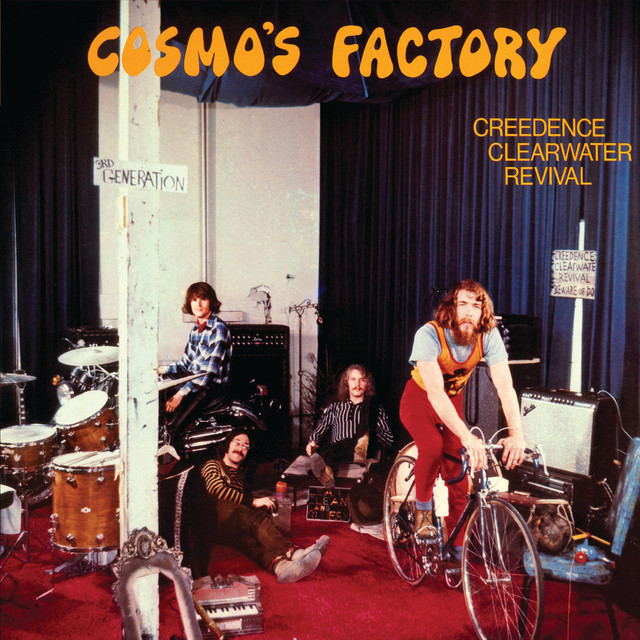
The song was written by Norman Whitfield and Barrett Strong for Motown, and it was already famous before CCR recorded it. Gladys Knight & the Pips had an early hit with it, and Marvin Gaye later made it iconic. According to this Wikipedia overview, Creedence Clearwater Revival included their long version on Cosmo's Factory in 1970.
What makes CCR’s cover special is that they do not change the core story. Instead, they stretch it out until the listener feels trapped inside the narrator’s nerves.

Watch the official I Heard It Through The Grapevine
music video
The central meaning: heartbreak made worse by rumor
At heart, this is a song about betrayal, but also about humiliation. The singer is not only losing someone. They are learning about that loss secondhand. That is why the title phrase, heard it through the grapevine
, matters so much.
The “grapevine” means the informal chain of talk between people. In the song, rumor arrives before honesty. That makes the emotional wound deeper. The narrator is shocked, unsure what is true, and forced to imagine what happened before getting a direct answer.
When they say make me blue
, the feeling is larger than sadness. It suggests emotional damage planned by someone they trusted. Then the line about being just about to lose my mind
pushes the song from sadness into panic.
Interpretation: The real pain may not be only cheating or abandonment. It may be the loss of dignity that comes from being the last person to know.
A voice caught between fact and fear
They do not know everything
One of the smartest things in the lyric is its uncertainty. The narrator does not walk in on betrayal. They hear about it. That means the whole song lives in a tense space between rumor and proof.
They ask questions instead of making a clean accusation. Even when they sound devastated, they still seem to want the partner to deny it or explain it. That is why the song feels human. People in pain often search for facts and hope at the same time.
You could have told me yourself
that you found someone else
This short moment sums up the deepest complaint. The issue is not just what happened. It is that honesty never came directly.
Masculinity and emotional collapse
Another striking detail is the phrase ain't supposed to cry
. The narrator knows the old rule that men should hide pain. But the song rejects that rule almost immediately.
Instead of sounding tough, they sound exposed. That matters because it gives the song moral weight. They are not acting cool. They are falling apart in public.
Why CCR’s version feels different from Motown's
CCR did not write the song, but they gave it a new body. Their version began as a live arrangement and grew into a long studio jam on Cosmo's Factory. The same Wikipedia overview notes that radio still played the long track, and it was later issued as a single despite the band’s wishes.
That context helps explain the performance. This is not a neat, polished soul single. It sounds like a band worrying a thought until it becomes a groove. John Fogerty’s voice is rougher than Marvin Gaye’s and less controlled in a smooth sense, but that roughness fits the lyric. He sounds less elegant and more haunted.
The rhythm section is the key. Bass and drums lock into a repeating pattern that feels almost circular, as if the singer cannot escape the same thought. The guitar lines do not just decorate the track. They stalk it. Little bends and stabs create tension, then the solos widen the feeling into something close to paranoia.
Interpretation: Where Marvin Gaye’s version can feel mysterious and inward, CCR’s can feel restless and physical, like heartbreak turning into a night drive with no destination.
How the long jam deepens the meaning
Some listeners hear the 11-minute running time and assume it is just rock excess. But in this case, the length serves the theme.
A rumor does not end when someone first hears it. It repeats in the mind. It grows. Every small detail becomes suspicious. CCR capture that mental loop by extending the groove far beyond normal pop structure.
That is why the chorus keeps landing with force, even after many minutes. The repeated return to not much longer
does not simply restate the plot. It acts like a thought the narrator cannot stop hearing.
The jam also adds another emotional layer: helplessness. There is motion in the instruments, but not much progress in the story. That mismatch mirrors the narrator’s situation. They can feel everything changing, but they cannot control it.
Themes that connect every line
Three big themes hold the song together:
- Betrayal: trust breaks before the relationship officially ends.
- Rumor and communication: public talk replaces private truth.
- Emotional unraveling: heartbreak becomes confusion, then near panic.
Even the smallest lyric choices serve those themes. Surprise matters because the news came indirectly. Tears matter because the narrator cannot contain the hurt. Questions matter because certainty never arrives in a clean way.
Why the song still lasts
CCR’s version lasts because it combines a classic lyric idea with a very different sound world. The original writing is sharp and direct, but the band’s swampy rock approach makes the story feel heavier and more obsessive.
For many listeners, that is the real power of the track: it shows how gossip can wound as deeply as the breakup itself. The song is not only about losing love. It is about losing control of the story of that loss.
In that sense, the meaning of I Heard It Through The Grapevine Creedence Clearwater Revival is heartbreak filtered through public rumor, then amplified by a long, simmering performance that refuses easy closure.
Disclaimer: This interpretation separates documented facts about the song’s history from critical reading of its themes, and reasonable listeners may hear different meanings in the performance.








