Why Cro-Mags' 'We Gotta Know' Still Hits
The meaning of We Gotta Know Cro-Mags starts with pressure. This is a song about living inside chaos and refusing to let confusion win. Cro-Mags turn street-level struggle into a demand for awareness, and that is why the track still feels urgent decades later.
"We Gotta Know" - Cro-Mags
Searchin' for the truth is just keepin' us alive
Gotta break these shackles gotta break these chains
Loading lyrics...
Unable to load lyrics
We're unable to display the lyrics at this time. Please try again later.
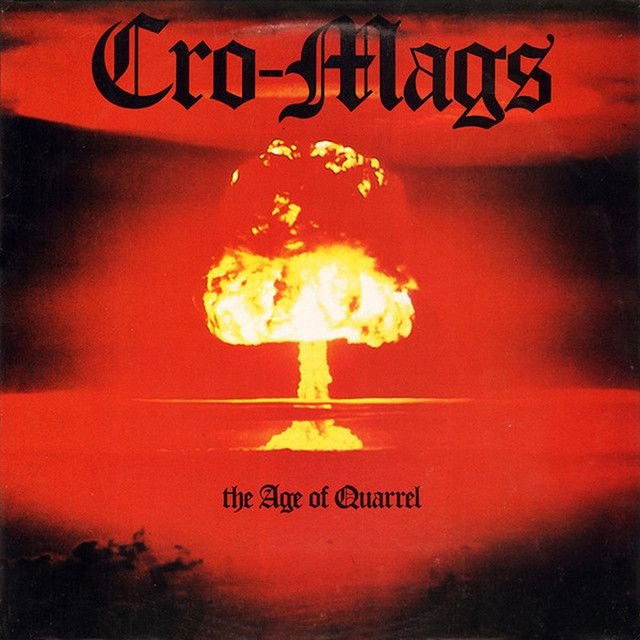
Released on the band’s 1986 debut The Age of Quarrel, the song became one of Cro-Mags’ most recognized statements, according to Songfacts. It was written by John Joseph, Harley Flanagan, and Parris Mayhew, with Joseph credited for the lyrics and the others shaping the music. Even without long storytelling, the song builds a full worldview: life is harsh, lies are everywhere, and people have to think clearly if they want to stay free.
A Hardcore Anthem About Truth, Not Just Anger
At first listen, the song can sound like pure aggression. But its center is not violence. Its center is knowledge.
The opening sets the scene with everyday survival. The speaker is not standing above the world. They are inside it, dealing with street pressure and mental exhaustion. When the lyrics mention strugglin' in the streets
, the point is larger than one person’s pain. It frames a social world where surviving and searching for truth happen at the same time.
That is the key move in the song. It says awareness is not a luxury. It is necessary for staying alive. The repeated call of We gotta know
is less a slogan than a warning: if people do not understand what is happening around them, they become easy targets for manipulation.

Watch the official We Gotta Know
music video
The Chorus Turns Fear Into Collective Strength
One reason the song lasts is its chorus. It takes private confusion and makes it communal.
The verses describe a mind under pressure, looking for purpose and answers. Then the hook arrives like a group response. Instead of saying I have to know, the song says we. That small shift matters. It turns personal doubt into shared resistance.
The line about mass confusion
and packs of lies
gives the chorus its enemy. The problem is not just hardship. The problem is deception. In that sense, the song argues that oppressive systems survive when people stay distracted, divided, or misled.
Interpretation: the chorus can be heard as a hardcore version of political and spiritual awakening. It does not tell listeners exactly what ideology to adopt. It simply insists they must wake up, question what they see, and refuse easy falsehoods.
Breaking Chains Means Using the Mind
The song’s strongest idea may be its link between freedom and thought. The lyrics talk about bondage in blunt images, then connect liberation to intelligence rather than brute force.
That is why the phrase use our brains
matters so much. The song is confrontational, but it is not mindless. It suggests that real escape from social control begins with critical thinking. People must learn, notice patterns, and stop accepting the world as it is presented to them.
This gives the track a deeper layer than simple rebellion. Many punk and hardcore songs celebrate refusal. Cro-Mags do that here too, but they also ask what comes next. If people reject lies, what truth are they searching for? If suffering is constant, what gives life meaning beyond survival?
Those questions push the song past rage and into existential territory. The lyrics openly wonder whether there must be more to life than conflict and struggle. That search gives the song emotional weight.
Sound and Structure Make the Message Hit Harder
The music is a huge part of the song’s meaning. The Age of Quarrel is widely recognized as a landmark crossover of New York hardcore intensity and metal riffing, and this track shows why. Its tight riff cycles, stomping rhythm, and shouted gang-vocal energy make the demand for truth feel physical.
Songfacts also preserves a useful comment from guitarist Parris Mayhew, who said the song was the last one assembled for the album and was pieced together from older riffs. He also explained that the famous intro came partly from a tuning accident while echoing another song idea. That origin story fits the track well: it sounds improvised into inevitability, like scattered frustration suddenly snapping into focus.
The performance style matters too. The vocals do not sound polished or distant. They sound urgent, almost cornered. That supports the lyric about a disturbed mind and a world turning into hell. The band’s attack makes those ideas feel lived in rather than theatrical.
A Song About Enemies Outside and Weakness Inside
Later lines widen the frame. The world is not just unfair; it is sliding toward collapse. The song suggests that bad conditions produce reactions, conflict, and hard choices.
There's gonna be a fight
doing the right
This brief moment sums up the song’s moral pressure. Trouble is coming, but the bigger challenge is staying ethical when resistance becomes costly.
Interpretation: the “enemies” in the song can mean real institutions, social predators, or even the inner temptation to surrender and go with the flow
. That ambiguity helps the track endure. It works as a street anthem, a political warning, and a personal wake-up call all at once.
Why the Song Still Connects
The meaning of We Gotta Know Cro-Mags remains relevant because modern life still runs on overload, misinformation, and pressure to conform. The song’s answer is simple but demanding: stay alert, think clearly, and do not let fear or confusion make decisions for you.
Cro-Mags package that message in a form built for release: fast, heavy, chant-ready, and direct. But beneath the attack is a serious idea about human dignity. People do not defeat lies by pretending everything is fine. They defeat them by noticing, questioning, and standing together.
That is what makes the song more than a hardcore classic. It is a call to consciousness.
Disclaimer: This interpretation is based on the song’s lyrics, documented background, and musical context. As with any art, listeners may reasonably hear different meanings in it.







