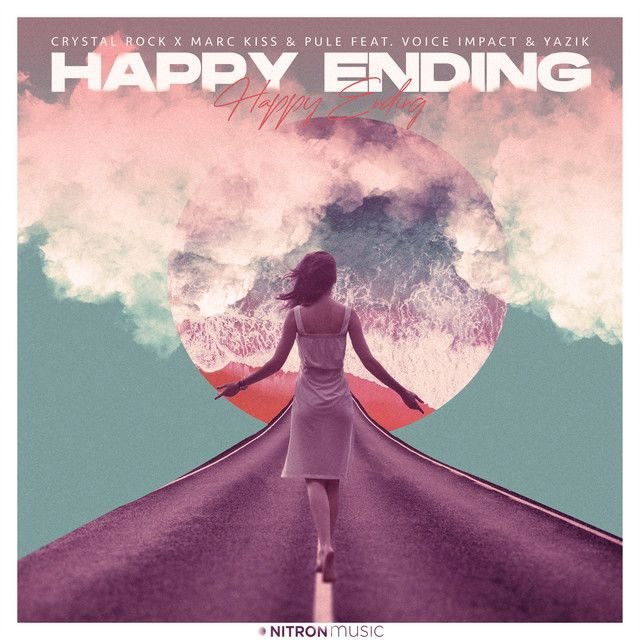
Why 'Happy Ending' Hurts So Much
The meaning of Happy Ending Crystal Rock, Marc Kiss, Pule, Voice Impact, Yazik comes down to one sharp idea: some relationships feel eternal while they last, but still collapse without closure. This track turns that emotional whiplash into a simple, repeatable hook. Even with few words, it captures the ugly silence after a breakup, when the future they imagined suddenly disappears.
"Happy Ending" - Crystal Rock, Marc Kiss, Pule ft. Voice Impact, Yazik
No hope, no love, no glory, no happy ending
This is the way that we love, like it's forever
Loading lyrics...
Unable to load lyrics
We're unable to display the lyrics at this time. Please try again later.
Because the lyric is so stripped back, the song leans on contrast. It pairs heartbroken words with a polished dance-pop pulse, making the sadness feel both personal and huge. That mix is a big reason the song can connect fast with listeners.
The Core Message Beneath the Hook
At its center, the song describes abandonment without softening it. The speaker does not sound confused about what happened. They sound wounded, but clear-eyed. That matters because the pain comes not from mystery, but from certainty.
A key phrase is I'm not pretending
. Paraphrased, the singer is saying they refuse to fake strength or rewrite the story into something prettier. The breakup was real, and so is the damage.
Another short line, no happy ending
, works like a verdict. The title sounds romantic at first, but the chorus flips it into irony. This is not a love story that ends in growth, reunion, or graceful closure. It ends in absence.

Watch the official Happy Ending
music video
A Love That Felt Permanent
The lyric also points to the emotional trap that made the breakup hurt more. The relationship once felt absolute. The phrase like it's forever
suggests a love lived with full belief, not caution.
That is why the final emotional turn lands so hard. The song sets up a classic romance promise, then breaks it with not together
. In plain terms, the people involved gave themselves to a future they would never actually share.
No hope, no love, no glory
no happy ending
This short section sums up the emotional fallout. Paraphrased, the singer is not just mourning a person. They are mourning every dream attached to that person: hope, intimacy, pride, even the fantasy of a meaningful ending.
Why the Repetition Matters
One reason the song sticks is repetition. The same lines return again and again, almost unchanged. That is not lazy writing; it reflects the mental loop of heartbreak.
After a breakup, people often replay the same facts until they lose meaning and then hit hard again. The repeated opening, this is the way you left me
, feels like that kind of spiral. The speaker keeps returning to the point of impact, as if saying it enough times might finally make it easier to accept.
Interpretation: The lack of narrative detail may be intentional. By leaving out the cause of the breakup, the song becomes more universal. Listeners can project their own story onto the same emotional outline.
How the Sound Changes the Emotion
Without verified public production credits for this specific version, it is safest to describe the sound in broad musical terms rather than claim exact studio choices. What stands out is the likely dance-pop or EDM framing suggested by the artist lineup. In that style, bright synths, a steady beat, and a clean vocal usually create lift and momentum.
That matters because upbeat production can sharpen sad lyrics. Instead of sounding private and fragile, the pain becomes anthem-like. A line about loss over a club-ready rhythm can feel strangely stronger, as if heartbreak has been turned into something survivable.
This is a familiar pop move: make listeners dance while they process disappointment. The result is not emotional confusion. It is emotional layering. The body hears energy; the words hear grief.
Who Is Speaking in the Song?
The narrator speaks in the first person, but the emotional point is broad enough that many listeners can step into it. They are talking to a former lover, yet they are also talking to themselves. The lyric works like a statement of record: this is what happened, this is what was promised, and this is what remains.
That directness gives the song its bite. There is no revenge fantasy here, and there is very little self-dramatizing detail. Instead, the voice sounds stunned by the gap between what love said and what life delivered.
Artist Context and What Can Be Said Carefully
The provided context names Crystal Rock, Marc Kiss, Pule, Voice Impact, and Yazik as the credited artists, and Michael Holbrook Penniman as the writer. Penniman is widely known as the full name of Mika, who wrote the original song “Happy Ending”; that fact can be checked through standard credits databases such as ASCAP or official release metadata when available.
For this specific collaborative version, though, release date, album placement, and producer details should be confirmed through official platform credits before being treated as fact. Since those details were not supplied here, the safest reading focuses on the lyric and musical effect.
Final Take on the Meaning
The meaning of Happy Ending Crystal Rock, Marc Kiss, Pule, Voice Impact, Yazik is rooted in broken romantic certainty. It is about loving fully, expecting permanence, and then facing the plain fact that love can end without redemption.
What makes the song memorable is its honesty. It does not search for silver lining. It simply admits that some endings are final, and that naming the loss is its own kind of truth.
Disclaimer: This article offers interpretation based on the provided lyrics and available credit context. Meanings in songs can remain open, and listeners may hear something different in the same lines.








