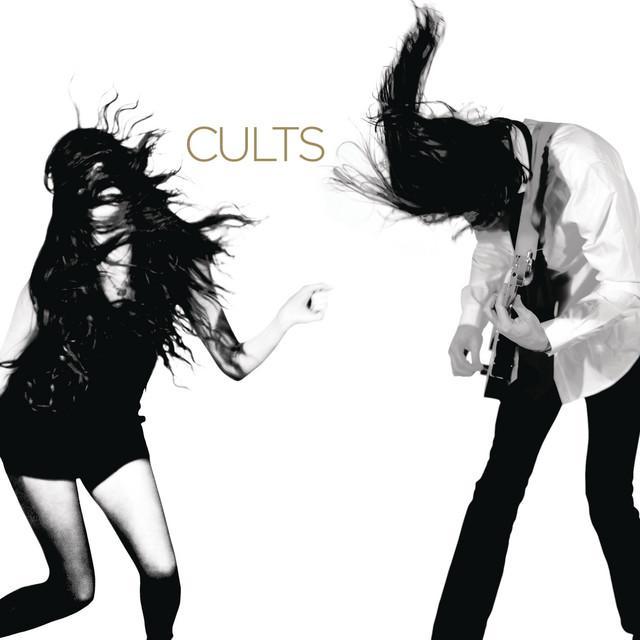
Bad Things by Cults
A dark pop song about fear arriving early
The meaning of Bad Things Cults centers on dread, emotional self-protection, and the strange calm that comes from expecting pain before it happens. The song sounds catchy on the surface, but its words are much heavier. They describe someone who has lived with danger in their mind for so long that tragedy no longer feels shocking. It feels familiar.
"Bad Things" - Cults
And you'll find yourself praying up to Heaven above
But honestly I never had much sympathy
Loading lyrics...
Unable to load lyrics
We're unable to display the lyrics at this time. Please try again later.
That is why the opening idea matters so much. The singer says that harm comes to loved ones, and people turn to faith when it does. But instead of sounding surprised, they admit they already saw it coming for themselves. In simple terms, this is a song about living in a constant state of emotional alert.
Cults, the New York indie pop duo of Madeline Follin and Brian Oblivion, built a career on pairing sweet melodies with unsettling feelings, as noted in their band history. “Bad Things” is one of their clearest examples of that contrast.

Watch the official Bad Things
music video
The narrator is not cold — they are bracing
At first, one line can seem harsh. The singer says they never had much sympathy. Taken alone, that sounds uncaring. But in context, it reads more like exhaustion than cruelty.
They are not saying other people do not matter. They seem to be saying that when someone lives with anxiety or repeated hurt, bad news stops feeling rare. It becomes expected. The phrase bad things happen
works like a grim rule of life, not just a passing complaint.
Interpretation: the song presents a narrator who has developed a defensive shell. If they expect loss, then they cannot be caught off guard by it. That shell may protect them, but it also isolates them.
Why the chorus sounds like escape and surrender
The hook is built around movement. The repeated run away
sounds urgent, almost desperate. In pop songs, running often suggests freedom. Here, it feels less heroic. It sounds like retreat.
The line never come back
pushes that idea further. This is not a temporary break. It suggests cutting ties, disappearing, or leaving before pain can arrive.
Then comes the strangest image in the chorus: your color is black
. Black can suggest grief, depression, secrecy, rebellion, or a public sign of inner darkness. The song never explains it, which is why the line stays memorable.
Interpretation: “show them” may mean revealing a hidden self. Instead of pretending to be hopeful or safe, the narrator may be embracing their darkest truth.
A small burst of light in the middle
The song is not all collapse. One verse introduces a different image. The singer believes it may take time for others to see them shine. That idea of recognition and light briefly opens the song up.
Even there, though, hope is unstable. They say they have given up on fighting, yet still imagine holding someone wrapped up in my light
. This creates a tension that gives the song depth. They still want to protect or reach someone, but they are losing faith in their own strength.
It would take some time
just to see me shine
Those lines hint that the narrator wants to be understood. They want their inner self to be visible, not only their fear. But that wish is fragile and quickly swallowed by the darker chorus.
The spoken sample changes the song’s emotional frame
Late in the track, Cults includes a spoken passage about children being endangered, the need to run, and the value of a life. This sample gives the song a wider sense of social panic. It no longer feels only personal.
Cults have often played with American unease and disturbing archival material in their work. That makes the sample feel intentional rather than random. It adds a mood of public danger, moral pressure, and historical trauma.
Interpretation: the sample broadens the song from private anxiety to collective fear. The narrator is not just worried about one heartbreak. They seem to live in a world where threat is everywhere, from the home to society at large.
How the production carries the meaning
Part of what makes “Bad Things” so effective is the gap between sound and subject. The arrangement is sleek and hypnotic, with the kind of melody that can loop in the head. But beneath that surface, the song feels tense.
The repetition is key. The chorus circles back again and again, mirroring obsessive thought. Instead of giving release, each return deepens the trap. The vocal delivery also matters. Cults often sing with a cool, almost detached tone, and that distance makes the fear sound more believable. Panic here is not loud. It is settled in.
The duo’s style sits between indie pop, dream pop, and psychedelic pop, according to publicly documented genre descriptions and release history tied to their 2011 debut Cults. “Bad Things” uses that dreamy palette to make dark emotions feel eerily normal.
Why the song stayed in the culture
“Bad Things” gained extra life when it was sampled in J. Cole’s 2013 single “She Knows,” where Cults were credited as featured artists. That crossover helped introduce the song’s eerie core to a wider audience.
Its staying power comes from its emotional accuracy. Many listeners know the feeling of expecting the worst before it happens. The song captures that mindset with blunt language and a memorable hook.
Final reading
The meaning of Bad Things Cults is less about one event than one mental state: living as if grief is always one step away. Its images of prayer, running, darkness, and light show a person torn between connection and self-protection.
That is why the song still lands. It turns anxiety into pop form without making it simple or pretty.
Disclaimer: This interpretation is based on the lyrics, recording choices, and available artist context. Like most songs, “Bad Things” can support more than one meaning.








