Why "Go Outside" Feels So Urgent
The meaning of Go Outside Cults comes down to one sharp emotional conflict: one person wants to live, connect, and make memories, while another seems determined to hide from the world. That simple setup gives the song its staying power. It sounds bright and sweet, but underneath it is a frustrated plea.
"Go Outside" - Cults
I really want to go outside and stop to see your day
You really want to hole up
Loading lyrics...
Unable to load lyrics
We're unable to display the lyrics at this time. Please try again later.
Cults broke out in the early 2010s indie-pop wave, and early coverage helped frame the song’s strange appeal. In a Pitchfork review, the track was noted for pairing sunny pop instincts with a darker edge. That tension matters, because the song never feels like a carefree invitation. It feels like concern.
The Core Conflict Hiding in Plain Sound
At its heart, the song stages a push-and-pull between action and retreat. The speaker keeps insisting on movement, using phrases like go outside
and make it light all day
. In plain language, they want the other person to wake up, step into daylight, and stop wasting time.
The other side of the song is defined by withdrawal. The repeated idea of wanting to hole up
and sleep the light away
suggests avoidance, emotional exhaustion, or numbness. The wording is simple, but it hits hard because it turns everyday behavior into a symbol of a much deeper shut-down.
Interpretation: many listeners hear this as a song about depression or prolonged isolation. That is a reasonable reading, but it is still an interpretation rather than a confirmed statement from the band.

Watch the official Go Outside
music video
Who They Seem to Be Singing To
The song works because it sounds direct and personal. There is a clear "I" and "you" structure, so it feels less like a diary entry and more like a conversation. One person is trying to pull another back into life.
That dynamic becomes more intense as the song moves forward. Early on, the speaker sounds patient. They seem to believe that light, air, and daily experience could help. Later, the tone hardens. By the end, the speaker no longer sounds purely supportive; they sound blocked and worn down.
From Gentle Plea to Emotional Boundary
One of the strongest parts of the song is how its message changes over time. At first, the speaker seems to be offering encouragement. They know what helps because, as the lyric suggests, they have been through something similar before.
I think that you should wake upI think I want to live my life
Those lines mark the turning point. After trying to persuade the other person, the speaker finally admits that they cannot stay trapped in the same cycle. This makes the song more than a motivational anthem. It becomes a boundary-setting song too.
That final emotional move is important to the meaning of Go Outside Cults. The speaker is not just saying that sunlight is nice. They are saying that another person’s refusal to engage with life can damage a relationship.
Light, Night, and Memory as Symbols
The lyrics are spare, but the imagery is precise. Three ideas do most of the work:
- Outside/daylight: openness, action, and emotional presence
- Inside/sleep: retreat, stagnation, and disconnection
- Memory: proof of a life actually lived
The memory line may be the song’s most revealing idea. The speaker argues that if someone never steps out into the world, they will not create the moments that last. That gives the song a coming-of-age quality. It is not just about leaving a room; it is about choosing experience over disappearance.
The brief mention of things that night cannot behold
adds another layer. Night is not only darkness. It suggests a mental state that cannot recognize what is healthy, beautiful, or worth pursuing.
Why the Music Makes the Message Stronger
Cults present this heavy theme through catchy, retro-styled indie pop. That contrast is central to why the track lands. The melody feels open and approachable, while the lyrics carry worry and frustration.
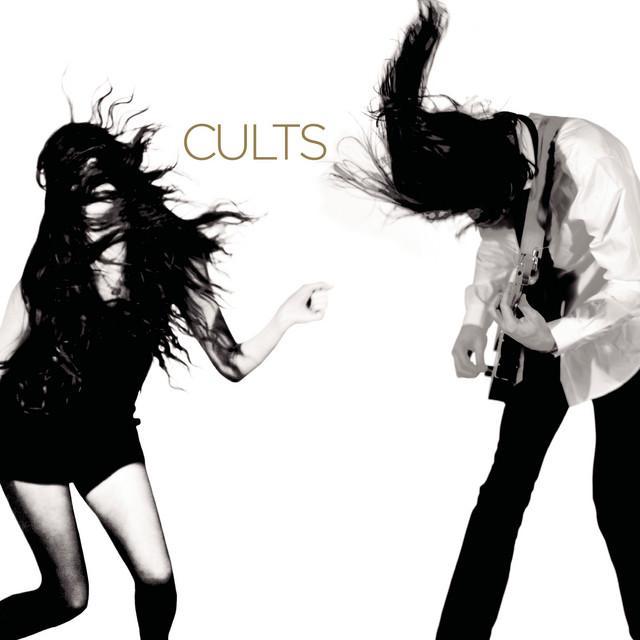
Madeline Follin and Brian Oblivion are the core members of Cults, and the song appeared on the band’s 2011 self-titled debut album, released after the buzz around their early singles grew quickly. Standard album references and credits are listed by sources such as AllMusic. The songwriters provided here are Madeline Foline McKenna and Ryan Michael Mattos.
Production-wise, the song leans on a clean beat, girl-group echo, and a polished lo-fi feel. That sweetness softens the message just enough to make it replayable. Instead of sounding preachy, it sounds bittersweet. The arrangement says "summer," while the words say "please come back to life." That split is the song’s magic trick.
A Darker Context Around the Band’s Early Era
Early discussion of Cults often mentioned how the band mixed innocence with unsettling details. The Pitchfork review pointed out the group’s slightly sinister humor, especially in how their bright sound could sit beside darker references. That context matters because "Go Outside" is not naive. It knows that cheerful surfaces can hide serious emotional distress.
Interpretation: this may be why the song still resonates. It captures a common experience in modern life: seeing someone go numb while the world outside keeps moving.
Why the Song Still Connects
The song remains memorable because its message is so recognizable. Most people have been one of these two figures: the person trying to pull someone back into life, or the person too drained to move.
What makes "Go Outside" stronger than a simple pep talk is its honesty. It admits that care has limits. Love can invite, encourage, and wait, but it cannot force another person to choose daylight.
For many listeners, that is the real meaning of Go Outside Cults: it is a song about wanting to save someone, then realizing they have to participate in their own life.
Disclaimer: This article offers interpretation based on the lyrics, sound, and available context. Song meanings can remain open, and listeners may reasonably hear it differently.








