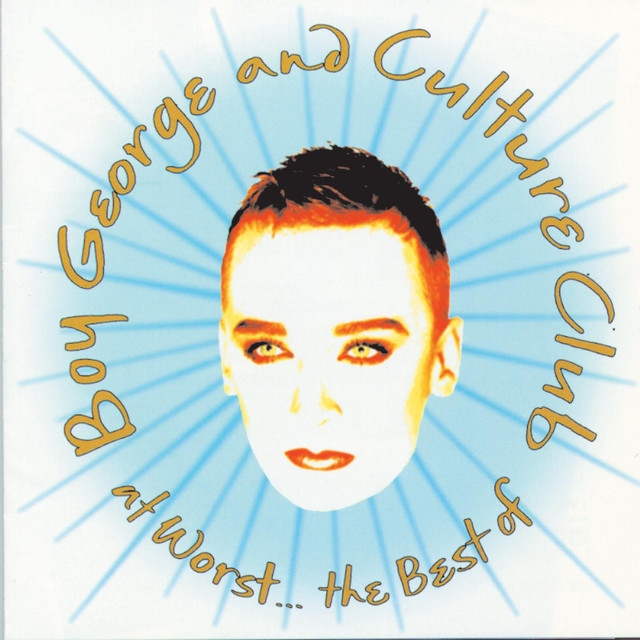
Why ‘Karma Chameleon’ Still Feels So Sharp
The meaning of Karma Chameleon Culture Club is deeper than its bright, singalong chorus suggests. On the surface, it is a huge 1980s pop hit. Underneath, it is a song about inconsistency, fear of rejection, and the damage caused when someone keeps changing to fit the moment.
"Karma Chameleon" - Culture Club
If I listen to your lies, would you say
I'm a man without conviction
Loading lyrics...
Unable to load lyrics
We're unable to display the lyrics at this time. Please try again later.
Released in 1983 as a single from Colour by Numbers, the track became Culture Club’s biggest hit, reaching No. 1 in the United States and many other countries. It was written by Boy George, Jon Moss, Mikey Craig, Roy Hay, and Phil Pickett, and produced by Steve Levine. Those facts help explain why the song feels so polished and universal: it was built as pop, but loaded with tension.
A Pop Hook About Emotional Instability
At its core, the song describes a relationship with someone who is hard to trust. The key complaint is simple: they keep shifting. When the chorus returns to you come and go
, it turns emotional inconsistency into the song’s main image.
That is why the title works so well. A chameleon changes color to match its surroundings. Add the word “karma,” and the image becomes moral as well as visual. The song suggests that if a person keeps changing to please others or avoid conflict, there will be consequences.
Boy George explained the song in similar terms, saying it was about “the terrible fear of alienation” and about people trying to “suck up to everybody.” That comment is often cited in discussions of the song and fits the lyric’s central idea: being untrue to oneself leads to emotional fallout.

Watch the official Karma Chameleon
music video
The Verse Builds a Portrait of Doubt
The opening verse does not begin with certainty. It begins with suspicion. The speaker wonders whether they are hearing lies and whether they are being seen clearly at all.
When the lyric says man without conviction
, it sounds like self-criticism, but it also reflects the unstable relationship around them. They seem caught between honesty and self-protection. The next phrase, sell a contradiction
, sharpens that feeling. In plain terms, the speaker is saying they cannot easily fake belief in something that does not make sense.
Interpretation: This can be heard in two ways:
- They are criticizing themselves for weakness.
- They are criticizing the other person for living in contradiction.
The song never fully settles that question, and that ambiguity gives it staying power.
What the Chorus Really Means
The chorus is one of the most famous in pop, but it is not just nonsense phrasing. “Karma chameleon” sounds playful, yet it points back to a serious idea: changing colors may help someone survive socially, but it also reveals a lack of emotional truth.
The line about love being easier if the other person’s colors matched the speaker’s dreams gives the chorus its emotional center. The colors are not random decoration. They suggest a wish for consistency, beauty, and openness instead of mixed signals.
Red, gold, and green
That short color sequence has often been linked by listeners to Rastafarian imagery and Caribbean influence, which also fits Culture Club’s broader visual and musical world in the early 1980s. In the song, though, the colors work most clearly as a dream of harmony: a stable identity, a stable love, and a stable bond.
Sound Versus Message
One reason the track remains so popular is the contrast between sound and meaning. Musically, it feels warm, light, and immediate. The rhythm has a buoyant pop swing, and the harmonica part by Judd Lander gives it a rootsy, almost carefree sparkle.
That brightness matters because it creates tension with the lyric. The music says celebration. The words say survival. When the song repeats every day is like survival
, it briefly lets the worry show through the shiny production.
This is a classic Culture Club strength. They often paired accessible melodies with uneasy emotions. Here, the production makes the song radio-friendly while the lyric keeps pulling toward anxiety and mistrust.
A Relationship Song With a Wider Reach
Many listeners read the song as connected to Boy George’s complicated personal life, especially the emotional strain around his relationship with bandmate Jon Moss. That reading has been repeated for decades, though the song also clearly works on a broader level.
Interpretation: Even without any biographical context, the lyric speaks to a common social fear in American life and beyond: the pressure to be liked by everyone. A person may shift their tone, beliefs, or personality depending on who is watching. The song argues that this kind of shape-shifting damages intimacy.
That is why the hook still lands. It is not just about one unreliable lover. It is about people who become different versions of themselves in different rooms.
Why the Song Became So Huge
Part of the answer is craft. “Karma Chameleon” is extremely catchy, but it also gives listeners a clean emotional conflict to hold onto. It is easy to sing and easy to feel.
The song topped the Billboard Hot 100 in early 1984 and became Culture Club’s only U.S. No. 1. It also sold in the millions worldwide. Those numbers reflect more than a catchy chorus. They show how well the song balances pop pleasure with emotional unease.
The Lasting Meaning
So, what is the meaning of Karma Chameleon Culture Club? It is a warning wrapped in bright pop. The song says love cannot work when someone keeps changing, hiding, or trying to please everyone at once.
Its genius is that it never sounds heavy-handed. Instead, it lets a cheerful surface carry a message about doubt, performance, and truth. That tension is why the song still feels alive decades later.
Interpretation disclaimer: Song meanings are never completely fixed. This reading draws from the lyrics, public comments by Boy George, and the song’s musical context, but listeners may reasonably hear other meanings too.








