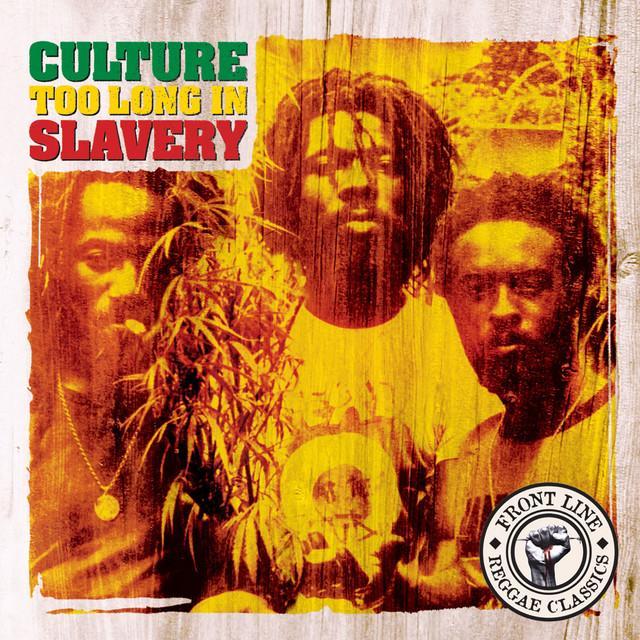
Why Culture Made Herb a Worldview
The meaning of The International Herb Culture starts with a simple idea: this is not just a song about getting high. It is a roots reggae statement about spirituality, creativity, identity, and freedom. Culture, the Jamaican trio led by Joseph Hill, often tied everyday life to Rastafari belief, and this song does the same.
"The International Herb" - Culture
The international herb
It make I feel so groovy man (the international herb)
Loading lyrics...
Unable to load lyrics
We're unable to display the lyrics at this time. Please try again later.
Rather than hiding its point, the lyric says it outright. The singer praises the herb as a source of feeling, thought, and music. In that sense, the track works like testimony. They are not debating whether the herb matters; they are explaining why it matters to them.
More Than a Smoking Song
At the center of the song is a repeated refrain, the international herb
. That phrase matters because it lifts marijuana out of a private habit and turns it into a global symbol. The lyric names different places and types of people, suggesting the herb crosses borders and belongs to a wider human story.
Interpretation: the song treats cannabis as both literal and symbolic. Literally, the narrator says they use it. Symbolically, it stands for a natural way of life that resists stigma and official judgment.
That helps explain lines about feeling uplifted and inspired. When the singer says it makes them feel so groovy man
and gives inspiration in music
, the point is not only pleasure. It is also artistic fuel. The herb becomes linked to song-making itself, which is important for a group whose music often carried spiritual and social messages.
Watch the official The International Herb
music video
Rastafari Gives the Song Its Core
Culture emerged from Jamaica's roots reggae movement in the 1970s, a period when many artists centered Rastafari themes in their work. The group is best known for songs like "Two Sevens Clash," and reference works identify them as a major roots-reggae act led by Joseph Hill (Encyclopaedia Britannica, AllMusic).
That background is crucial here. The repeated invocations of Jah and Rastafari frame the herb as sacred, not merely recreational. When the song calls it good for meditation man
, it places cannabis inside a spiritual practice. In Rastafari culture, ganja has often been understood as an aid to reasoning, prayer, and reflection, even though beliefs and practices vary among individuals and communities (BBC Religions).
So the song's worldview is clear: the herb is part of a righteous life. It is tied to the natural world, to African identity, and to a faith-centered way of seeing the self.
How the Verses Build That Meaning
The lyric moves in a loose, chant-like progression rather than telling a tight story. Still, it develops in clear steps:
- They begin with personal use and immediate effect.
- They connect that effect to music and inspiration.
- They shift into spiritual language about Jah and meditation.
- They widen the lens, presenting the herb as global and longstanding.
- They reject shame and outside judgment.
This structure matters. First, the singer says what the herb does for them. Then they explain why that experience fits a bigger philosophy. By the end, the song sounds almost like a defense speech. The narrator insists they cannot live without it and refuses to let others define that relationship as wrong.
A Global Plant, a Global Claim
One striking feature is the song's geographic reach. The lyric mentions places such as Africa, England, Taiwan, and Colombia. These references support the title's claim that the herb is international.
Interpretation: this is not a scientific argument. It is a cultural one. The song uses place names to say that cannabis is woven into many societies and cannot be dismissed as strange or marginal. That broad sweep also fits roots reggae's Pan-African outlook, where Africa often appears as spiritual homeland and global reference point.
The result is a song that sounds local in voice but international in vision. It comes from Jamaica, yet it reaches outward, imagining a shared culture of use, belief, and recognition.
Why the Sound Helps Sell the Message
The production supports the lyric's certainty. Culture's music is rooted in classic reggae features: a steady one-drop feel, circular bass movement, clipped guitar accents, and group vocal responses. Those elements make repetition feel powerful rather than empty.
The repeated hook acts like a chant. Each return to the international herb
reinforces the idea that this subject is central, communal, and almost ritualistic. The relaxed groove also matches the song's argument. It does not sound anxious or defensive. It sounds settled, confident, and lived-in.
That musical calm is important. A song about controversy could have been aggressive. Instead, Culture make it feel grounded. The rhythm suggests conviction without panic, as if the singer sees no need to apologize.
The Sharp Edge Beneath the Ease
Although the track is warm and easygoing, there is still a subtle act of resistance in it. The narrator knows some people disapprove. The song answers that disapproval by normalizing the herb and linking it to faith, creativity, and nature.
That is where the meaning of The International Herb Culture becomes richer. It is not only praise. It is also refusal. They refuse the idea that the herb is shameful, trivial, or outside respectable life.
Final Take
In the end, "The International Herb" presents cannabis as sacrament, muse, and marker of identity. Its lyric is plainspoken, but its themes are large: spiritual freedom, cultural belonging, and the right to define one's own consciousness.
Interpretation disclaimer: song meanings are not fixed, and listeners may hear this track differently. This reading is based on the lyrics, Culture's roots-reggae context, and Rastafari themes commonly associated with the group.








