Why 'Don't Fade Out' Feels So Fragile
The meaning of Don't Fade Out Cut Worms centers on a simple fear: love can slip away while someone is still trying to find the words. In this song, Max Clarke writes from the edge of connection, where feeling is strong but communication keeps failing.
"Don't Fade Out" - Cut Worms
I'm passing over and my life it can wait
I run so fast I sink in the ground
Loading lyrics...
Unable to load lyrics
We're unable to display the lyrics at this time. Please try again later.
What makes the track moving is not dramatic storytelling. It is the smaller, more familiar pain of delay. They know what they feel, they can picture what should be said, but something in them freezes before the moment arrives.
A Love Song About Words That Never Land
At the heart of the song is emotional hesitation. The speaker is not unsure about love itself. In fact, the lyrics make clear that the feeling is real and urgent. The problem is expression.
Early lines describe oversleeping, drifting, and moving so fast they still seem stuck. That contradiction matters. The song presents a person whose inner life is busy and intense, yet outwardly they cannot act. When they mention sleep in too late
and feeling unable to think, the message is less about laziness than emotional paralysis.
Interpretation: this makes the song feel like a portrait of anxiety inside a relationship. They are not indifferent. They are overwhelmed.
When the Verses Turn Panic Into Motion
The verses keep translating inner stress into physical images. The head shakes. The ground feels unstable. The world seems to open and collapse at once. These details suggest that missed communication is not a small issue for the speaker; it feels bodily, almost seismic.
One of the strongest examples is the image of the earth giving way beneath them. Paraphrased, they hear the other person calling, but instead of moving closer, they feel destabilized. The short phrase crumbling out
gives that panic a shape.
That is why the song feels tender rather than abstract. It does not just say, “I am afraid of losing you.” It shows how that fear scrambles thought and action.
The Chorus Says the Real Fear Out Loud
Once the chorus arrives, the song stops circling and makes its request directly: Don't fade out
. That line is plain, but it carries a lot.
To fade out is not the same as breaking apart in a sudden fight. It suggests a slower kind of loss. Affection dims. Presence weakens. A bond becomes memory before either person fully admits it. By adding on me
, the speaker reveals dependence too. They are asking the other person not to disappear emotionally before they can meet them where love still lives.
The line about staying where love remains gives the chorus a hopeful side. This is not only fear; it is a plea for endurance.
Don't fade out
Don't fade out on me
Stay right here
where love will always be
That short refrain acts like the emotional truth the verses keep postponing.
Seeing It Clearly, Saying It Too Late
One of the song’s most affecting ideas is the gap between inner clarity and outer silence. Twice, the lyrics return to a version of the same thought: they can see the feeling in their mind, but they never express it in time.
That is the real conflict. The speaker is not confused about love. They are trapped between knowledge and speech. When they admit they are talkin' in circles
, it captures the loop perfectly: rehearsing, revising, delaying, and then missing the moment.
Interpretation: the song may describe a relationship already under strain because of this pattern. The question about what has come between them suggests distance has already formed, and the singer is trying to stop it from growing wider.
The Sound Likely Softens the Ache
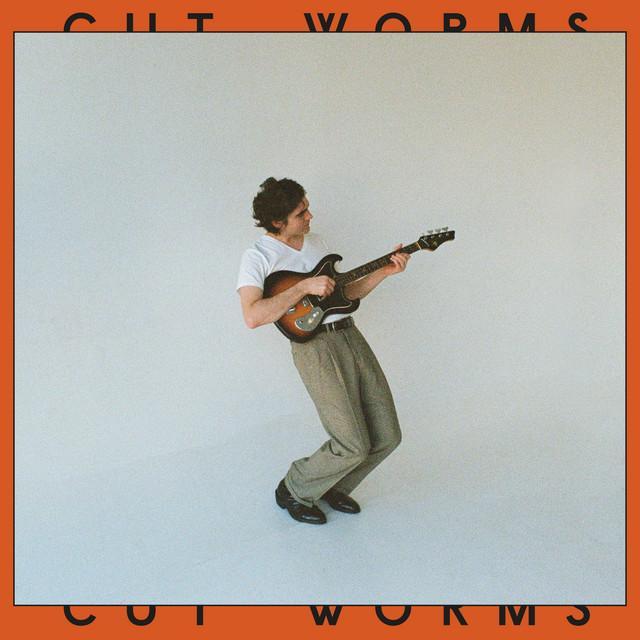
Cut Worms is the project of Max Clarke, a songwriter known for classic-pop and folk-rock textures, and the song was written by Clarke. While the provided context does not include full production credits, the writing style fits their broader approach: direct melody, old-soul warmth, and emotional clarity delivered without huge theatrics.
That matters for interpretation. A gentle, tuneful arrangement can make words like these hit harder, not softer. If the music glows while the lyrics worry, the contrast suggests a person trying to preserve sweetness even as connection starts to blur.
Because the available research source here is only a general Paste index page and does not contain a usable Cut Worms interview or track-specific reporting, this article avoids unsupported claims about studio intent or release context. The factual point that Max Clarke wrote the song comes from the user-provided information.
More Than Romance: Another Way to Hear It
The most obvious reading is romantic, and it is likely the strongest one. Still, there is room for a broader interpretation.
Interpretation: “fading out” could also describe a vanishing sense of self, faith, or emotional openness. In that version, the other person becomes the last link to warmth and reality. The plea is not only “stay with me,” but also “help keep this feeling alive.”
That wider reading fits the imagery of darkness, delay, and private thought. The song lives in the space between isolation and contact.
Why the Song Connects
The meaning of Don't Fade Out Cut Worms resonates because it captures a common heartbreak: loving someone clearly but expressing it poorly. Many songs are about broken love. Fewer are about the quieter tragedy of love that might have survived if the right words had arrived sooner.
That is why the chorus lands. It is not grand or clever. It is human. They want the other person to stay visible, reachable, and emotionally present long enough for love to be spoken and returned.
In the end, the song feels like a last attempt to hold off silence before it becomes permanent.
Disclaimer: This interpretation is based on the lyrics provided and publicly known artist context. Song meaning can remain open, and listeners may hear different emotions or storylines in the track.







