How Cymande Turned Unity Into Groove
A Warm, Simple Song With a Bigger Purpose
The meaning of The Message Cymande starts with something direct: unity. The song does not hide behind dense poetry or a complicated story. Instead, it repeats a few key ideas about moving forward together, remembering shared values, and trusting a bond that existed before conflict or distance got in the way.
"The Message" - Cymande
Forever like it was before
Remember, you've been told
Loading lyrics...
Unable to load lyrics
We're unable to display the lyrics at this time. Please try again later.
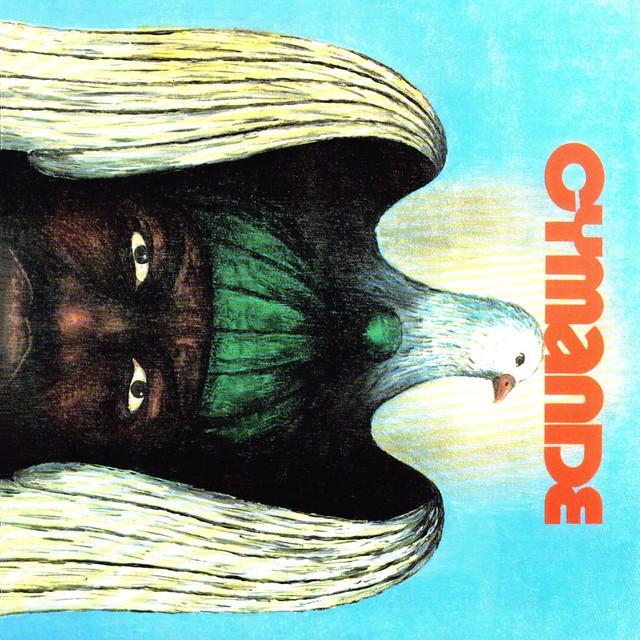
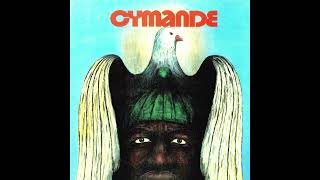
Cymande were a British funk group formed in London in 1971 by Steve Scipio and Patrick Patterson, musicians with deep Caribbean roots and a style that blended funk, soul, reggae, jazz, and calypso. Their name comes from a calypso word for “dove,” a symbol of peace and love, which fits this song almost perfectly. Their 1972 debut album and the single “The Message” found strong success in the United States, even before the band received full credit at home.
That background matters because the song’s warmth does not sound accidental. It feels tied to a band built on cross-cultural identity, community, and musical fusion.
Watch the official The Message
music video
What the Lyrics Are Really Saying
At its core, the song sounds like an appeal between people who belong to the same circle, family, or struggle. When the singers repeat Together, we can go
, they are not just offering comfort. They are making a claim: progress only works when people move as a group.
Another key line, Forever like it was before
, points backward as much as forward. The song seems to imagine an earlier state of closeness, then asks listeners to return to it. That gives the track a healing quality. It is not about building something from nothing. It is about restoring connection.
There is also tension in the verse. The phrase My brother
makes the song feel intimate, almost like a conversation. But then the singer says don’t help me
and don’t watch where I go
. That shift suggests independence inside togetherness. The bond remains, but each person still has a path to walk.
Together, fore we go
Forever like it was before
Remember, you've been told
Together, we can go
This short refrain sums up the song’s heart. It mixes memory, advice, and hope into one circular message: remember who they are, then move forward side by side.
A Song About Unity, But Not Dependence
One of the most interesting parts of the meaning of The Message Cymande is that it does not present togetherness as weakness. The song values community, yet it also respects personal movement.
That is why the lines about making one’s way matter so much. Interpretation: the speaker may be telling a friend or “brother” that love does not require control. They can care for each other without holding each other back.
This creates a mature kind of solidarity. It is not clingy. It is not possessive. The song imagines a community where people share love and direction, even when they cannot walk every step the same way.
For listeners, that makes the track feel both spiritual and practical. It can be heard as a family message, a social message, or even a political one without turning into a slogan.
How Cymande’s Background Deepens the Meaning
Cymande’s history helps explain why this song feels so open but still so grounded. The band members came from Caribbean backgrounds and built their sound in London during a period when Black British identity and immigrant experience shaped daily life. Their music often carried ideas of uplift and shared purpose, and later songs became more openly political.
In that sense, “The Message” can be heard as a bridge. It is not a direct protest song in the way some 1970s soul classics were. But it still speaks to belonging, resilience, and collective strength.
A thoughtful reading from later criticism connects the song’s spirit to Windrush-generation life and diaspora community, where music often carried support across families and neighborhoods. Interpretation: that context makes the repeated call to move together feel larger than romance or friendship. It sounds like social survival.
Why the Sound Matters as Much as the Words
The lyrics are sparse, so the groove has to carry part of the message. Cymande’s music was known for rich bass, light percussion, relaxed vocals, and a blend of funk drive with Caribbean ease. On “The Message,” that balance matters. The band do not sound angry or frantic. They sound steady.
That steadiness reinforces the song’s themes. The rhythm feels communal, like a shared pulse. The bass and drums push forward without rushing, which mirrors the idea of collective movement. Even the repetition works in the song’s favor. Instead of sounding empty, it sounds ritual-like, as if the band are trying to plant a truth in the listener’s mind.
This is also one reason the song lasted beyond its original release. Cymande became hugely influential through DJ culture and sampling, with critics and historians noting how deeply their grooves shaped hip-hop, disco, house, and rare groove traditions. “The Message” was not only heard as a statement. It was used as musical foundation.
Reception, Legacy, and Lasting Meaning
“The Message” was Cymande’s first single, and it charted in the U.S., helping introduce the band to American audiences. Over time, the group’s music gained a second life through sampling and rediscovery, and “The Message” became part of that legacy.
That afterlife changes the song’s meaning in a good way. A track about connection ended up connecting scenes, generations, and even countries. Its groove traveled through DJs, rap records, and new listeners who heard something welcoming in it.
So what is the final takeaway? The meaning of The Message Cymande is a call to stay linked to others without losing oneself. It is about fellowship, memory, and motion. The song says that love flows, people change, and paths split, but community still matters.
That message is one reason the song still feels alive. It is gentle, but it is not weak. It is simple, but not shallow.
Disclaimer: This article offers an interpretation of the song based on its lyrics, sound, and historical context. Different listeners may reasonably hear it in different ways.







