
Why 'Girls Just Wanna Have Fun' Still Matters
The meaning of Girls Just Wanna Have Fun Cyndi Lauper goes deeper than a party slogan. On the surface, it is bright, catchy, and playful. Underneath, it is a song about women asking for the same freedom men often take for granted.
"Girls Just Wanna Have Fun" - Cyndi Lauper
My mother says, "When you gonna live your life right?"
Oh, mother dear we're not the fortunate ones
Loading lyrics...
Unable to load lyrics
We're unable to display the lyrics at this time. Please try again later.
Released in 1983 as Lauper’s debut solo single from She’s So Unusual, the song was written by Robert Hazard, then reshaped by Lauper into something more pointed and universal. It went on to reach No. 2 on the Billboard Hot 100 and became one of the defining pop singles of the 1980s. It is also widely remembered as a feminist anthem.
A Pop Hook With a Serious Core
The song’s message is simple: women want joy, release, and agency in their own lives. That may sound obvious now, but the verses frame that desire as something questioned by parents and by social rules.
The opening sets up that pressure right away. The narrator comes home and hears criticism from her mother about how to live your life right
. Later, her father asks what she is going to do with her life. These lines do not just show family conflict. They show a young woman being measured against expectations.
Interpretation: the famous chorus works because it sounds light, but it answers that pressure directly. When Lauper sings girls just wanna have fun
, the word “fun” does not mean emptiness. It means room to breathe, choose, and exist without constant control.
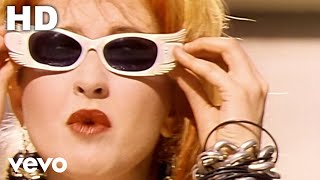
Watch the official Girls Just Wanna Have Fun
music video
The Hidden Tension in the Verses
One of the song’s smartest lines is we're not the fortunate ones
. In plain terms, the narrator seems to be saying that girls do not always get the same freedom or luck that others do.
That line helps explain why the chorus matters. The issue is not just wanting a good time after work. It is about unequal permission. Men are often allowed adventure, nightlife, and mistakes. Women are often told to be careful, proper, and small.
The third verse makes that argument even clearer. It describes how some boys take a beautiful girl
and try to hide her from the world. Then the narrator answers with a desire to walk in the sun
. That is a sharp image of visibility and independence. She does not want to be protected into silence. She wants to be seen.
How Cyndi Lauper Changed the Song
A big part of the song’s lasting power comes from context. Robert Hazard wrote and recorded the song first from a male perspective. Lauper then changed key lyrics and the overall attitude, helping turn it into a female-centered statement. That shift is central to why the song became hers in the public imagination.
Factually, the single was released on October 17, 1983, and was produced by Rick Chertoff, with William Wittman also credited on the recording. Session players included Rob Hyman and Eric Bazilian, musicians tied to the Philadelphia scene that helped shape Lauper’s early sound.
Interpretation: Lauper did not just cover the song. They effectively re-authored its meaning through performance, phrasing, and perspective.
Why the Sound Feels So Liberating
The production matters as much as the lyrics. The track blends pop and new wave with bright synthesizers, a strong drum machine pulse, and a huge sing-along chorus. That sound gives the song motion. It feels open, colorful, and hard to contain.
The beat also supports the lyric about freedom after labor. The phrase when the working day is done
turns “fun” into something earned, not frivolous. This is not laziness. It is release after pressure.
Lauper’s vocal delivery seals the message. They sound playful, but there is also defiance in the phrasing. The voice can wink and push back at the same time, which is why the song never feels preachy.
The Video Helped Turn It Into an Anthem
The music video pushed the meaning even further. Directed by Edd Griles, it mixed comedy, downtown style, and female solidarity into a light but pointed visual story. Lauper’s real mother appeared in it, and wrestler Captain Lou Albano played the father figure.
The clip got heavy MTV rotation and helped make the song feel bigger than radio. Instead of presenting rebellion as dark or dangerous, the video showed it as communal, funny, and impossible to repress. That helped widen the song’s appeal while keeping its edge.
Why It Endured Across Decades
Part of the reason the song lasts is that it works on two levels at once:
- as a pure pop hit
- as a statement about gendered freedom
- as a celebration of friendship and shared release
That balance is rare. A listener can dance to it without thinking too hard, or they can hear the social critique inside it. Both responses are built into the song.
Its success backs that up. The single became a global hit, reached the Top 10 in more than 25 countries, and remained one of Lauper’s signature songs. Over time, critics and fans have continued to describe it as a feminist standard rather than just an 80s nostalgia track.
The Best Way to Read the Chorus
The meaning of Girls Just Wanna Have Fun Cyndi Lauper is not that girls want less responsibility. It is that they want equal humanity. The song turns “fun” into a code word for autonomy, visibility, and everyday dignity.
That is why the chorus still lands. It is catchy enough to feel effortless, but specific enough to carry a protest. Lauper made a pop song that smiles while it argues.
They just wanna, they just wanna
When the working day is done
Oh, girls just wanna have fun
Even in that brief refrain, the song connects labor, desire, and release. That is what gives it staying power.
Disclaimer: This interpretation separates documented facts from critical reading. Like most pop classics, the song can support more than one meaning depending on the listener’s experience.







