Why “True Colors” Still Feels Like a Lifeline
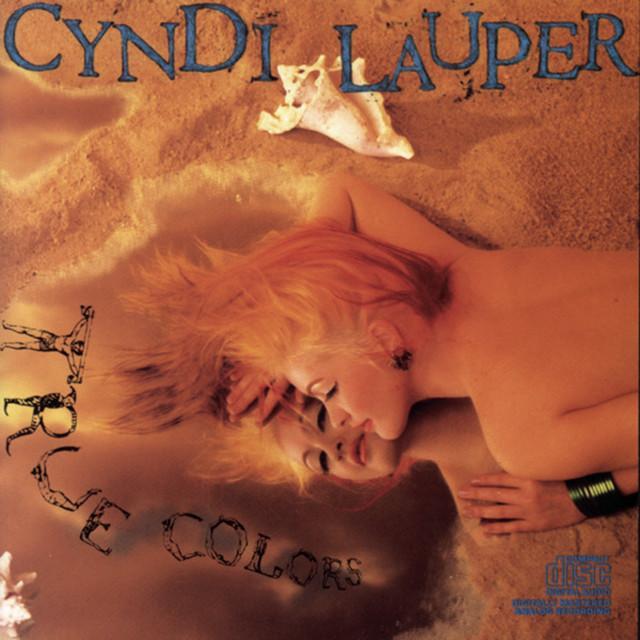
The meaning of True Colors Cyndi Lauper comes down to one powerful idea: real love sees the person behind the pain. Released in 1986 as the lead single from Lauper’s second album, the song turned a simple pop ballad into a message of comfort that still reaches people today. It was written by Billy Steinberg and Tom Kelly, then reshaped by Lauper into the intimate version most listeners know.
"True Colors" - Cyndi Lauper
Don't be discouraged
Oh I realize
Loading lyrics...
Unable to load lyrics
We're unable to display the lyrics at this time. Please try again later.
Factually, the song became a major hit, reaching No. 1 on the Billboard Hot 100 for two weeks in 1986 and helping the album True Colors reach No. 4 on the Billboard 200, according to reporting summarized by American Songwriter and background collected at Wikipedia. But charts only explain part of its legacy. Its staying power comes from how gently it speaks to shame, sadness, and self-doubt.
A Song That Talks to Someone in the Dark
At the start, the singer notices a person with sad eyes
. That small image matters because it avoids drama and focuses on recognition. The song does not judge the person for struggling. Instead, it says their pain is understandable in a world where people can lose confidence and feel overwhelmed.
That is the emotional engine of the song: seeing someone clearly when they cannot see themselves clearly. The verses describe discouragement and isolation, then answer those feelings with patience. Rather than telling the person to simply cheer up, the singer offers presence, empathy, and a safe place to land.

Watch the official True Colors
music video
What the Chorus Really Means
The chorus gives the song its core message with the phrase true colors
. In plain terms, those colors are the person’s real self: their inner worth, vulnerability, and identity beneath fear. When the singer says those colors are shining through
, the point is not that the person must become someone new. It is that their best, truest self is already there.
Interpretation: This is why the chorus feels so healing. It does not promise that life will get easier overnight. It promises that the person is still lovable even in a low moment. The image of a rainbow pushes that idea further. A rainbow suggests variety, openness, and beauty after darkness, turning private pain into something visible and hopeful.
The Relationship at the Center
The song is written as direct reassurance. The speaker addresses one person and offers steady support when life becomes too much. In the second verse, the promise I’ll be there
turns the song from observation into commitment.
That detail keeps the message grounded. This is not just a speech about self-esteem. It is a relationship song, whether listeners hear it as a friend talking to a friend, a partner to a loved one, or a family member to someone they want to protect.
And that’s why I love you
So don’t be afraid
Those lines are simple, but they explain the emotional logic of the whole song. Love here is not based on perfection. It is based on truth.
How Cyndi Lauper Changed the Song
One reason the song works so well is Lauper’s arrangement and vocal approach. Steinberg has said the original demo was more like a piano-based gospel ballad, and Lauper transformed it into something spare and striking, as noted in the song’s documented history at Wikipedia.
That production choice matters to the meaning. The track begins softly, with a restrained, almost fragile mood, then opens up emotionally as the chorus arrives. Reporting from American Songwriter highlights the contrast between subdued verses and a fuller, more projecting chorus. That whisper-to-belt dynamic sounds like someone gathering strength in real time.
The instrumentation also supports the message. Synth textures, measured percussion, and clean melodic space keep the focus on the human voice. Instead of overpowering the lyric, the music leaves room for tenderness.
Why Listeners Hear More Than One Meaning
The meaning of True Colors Cyndi Lauper is universal enough to fit many life experiences. On one level, it is a song about comforting a hurting person. On another, it is about authenticity: not hiding who they are because the world has made them feel small.
Interpretation: That second reading helps explain why the song became especially meaningful in LGBTQ+ communities. Its language about showing one’s real self and being loved for it naturally connects to coming out, visibility, and acceptance. Lauper’s later activism deepened that bond, including the work of the True Colors Fund and public performances linked to LGBTQ+ equality, as summarized at Wikipedia.
The song also resonates in conversations about mental health, grief, and bullying because it meets distress with affirmation instead of shame. That flexibility is part of its genius.
Why the Song Still Endures
“True Colors” lasts because it is emotionally direct without being simplistic. It speaks in plain language, but every choice serves the same theme: the person who feels broken is still beautiful, still visible, and still worthy of love.
Lauper’s performance gives that message its lasting force. They do not sound distant or abstract. They sound close, as if they are sitting beside the listener and reminding them who they are.
In that sense, the song is both private and public at once. It feels like one person talking to one other person, yet it can also feel like an anthem for anyone who has ever feared being fully seen.
Disclaimer: This interpretation separates documented facts about the song’s release, writers, and reception from critical reading of its themes. Meaning in music can remain open, and listeners may hear “True Colors” in different but equally valid ways.









