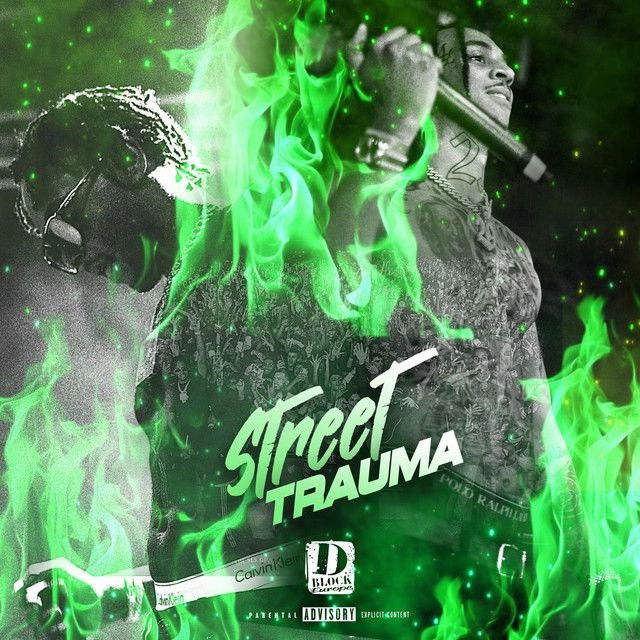
Jeffery Carter by D-Block Europe
The meaning of Jeffery Carter D-Block Europe comes through in a sharp contrast: they show luxury at the top of the frame, but pain and survival keep leaking in underneath. On the surface, the song is full of money, sex, hotel suites, and status symbols. Under that surface, it sounds like a story about guilt, mistrust, and the hard habits that remain after coming up from the streets.
"Jeffery Carter" - D-Block Europe
60th floor in my hotel, baby, don't worry
Saying "Leave your card at home, you don't need no money"
Loading lyrics...
Unable to load lyrics
We're unable to display the lyrics at this time. Please try again later.
A flashy song with a nervous center
D-Block Europe often build songs out of two moods at once: celebration and damage. That is exactly what happens here. The opening image of a high-rise hotel and the line about leaving a card at home suggest total financial control. They can now provide everything.
But the same hook also admits they are trying to buy back emotional peace. When they mention a Birkin and say they are trying to show they are sorry, the song turns from bragging into compensation. Interpretation: that makes the track less about romance than about using wealth as a weak substitute for real repair.
The repeated idea is simple: they escaped one life, but they did not escape what that life did to them.

Watch the official Jeffery Carter
music video
Why the title matters so much
The title appears to point toward a Carter figure, likely echoing the world of Shawn Corey Carter, known as Jay-Z, whose public image is deeply tied to a rise from hustling to elite wealth and business power. Jay-Z is widely associated with a rags-to-riches narrative and major hip-hop success, including 14 number-one albums on the Billboard 200, according to publicly available career summaries. That context matters because this song also turns street history into a luxury identity.
Interpretation: by invoking that kind of name, D-Block Europe may be placing themselves in a lineage of rap ambition. They are not just showing off; they are framing wealth as proof of survival, rank, and transformation.
The hook turns apology into a transaction
The chorus is the emotional key. They promise comfort, spending, and access. Short phrases like Leave your card at home
and Tryna show you that I'm sorry
present generosity as a form of apology.
That is important because the verses never show calm intimacy. Instead, they show distraction, intoxication, and control. When they admit I can't focus
while wasted, it weakens the promise of the hook. They can provide pleasure, but they cannot fully provide stability.
So the hook is not just catchy. It reveals the song’s deepest conflict: success has made them powerful, but not necessarily emotionally present.
From the trenches to the penthouse
A lot of the meaning of Jeffery Carter D-Block Europe comes from how the verses move between past and present.
They describe a life where they were serving packs
, sleeping near cash, and building routines around risk. Those details are not treated like distant history. They still shape how they think. Even after reaching designer stores and gated homes, the song keeps looking over its shoulder.
That is why lines about no photos, no cameras, and not seeing police near the house matter. These details suggest success has not created peace. It has only created a more expensive version of vigilance.
A quick timeline inside the song
- They begin in the present: hotel height, expensive gifts, big spending.
- They slide backward into trapping memories and survival mode.
- They return to the present with designer interiors, status cars, and weapons.
- They end in the same emotional place: rich, desired, and still unsettled.
That movement gives the song its shape. It is not a simple victory lap.
The symbols are expensive, but the themes are old
The luxury items are easy to spot: hotel floors, Birkin bags, AP and Patek watches, designer rugs, a Merc or Jag. These images signal arrival. They tell listeners that they made it out.
But the older symbols carry more weight. Packs, plugs, racks, codeine, and weapons all point back to instability. Even the house with gates is not just a rich-person image. It is a defense image. It suggests separation, caution, and fear.
Interpretation: the song argues that wealth changes scenery faster than it changes instinct. The narrator still thinks like someone who had to survive first and feel later.
How the sound supports the meaning
The production tag points to Garmvn, and the beat style fits the melodic UK trap lane D-Block Europe are known for: glossy, spacious, and dark around the edges. That matters because the instrumental likely gives the song a floating, rich feel while leaving enough emptiness for the words to sound cold and detached.
Their delivery also shapes the meaning. Rather than sounding fully triumphant, they often rap in a blurred, conversational way. That style makes even the flexes feel tired or numb. It suits a song where pleasure and stress sit in the same room.
Two strong ways to read the song
Reading one: a portrait of success without healing
This is the strongest reading. The song shows men who reached wealth but still live with street logic, emotional distance, and guilt. Money solves access; it does not solve the self.
Reading two: a deliberate rap persona
There is another possible reading. The song may be less confessional than performative, using the familiar rap arc of danger-to-luxury to build myth. In that view, the apology and pain are part of the persona, not a literal diary.
Both readings can be true at once. Rap often turns real pressures into larger-than-life character writing.
The final takeaway
In the end, the meaning of Jeffery Carter D-Block Europe is about what happens when street memory meets high-end success. The song celebrates wealth, but it also shows how guilt, paranoia, and emotional disconnection can survive the climb.
That is why the track sticks. It sounds glamorous, yet its core feeling is unsettled.
Disclaimer: This interpretation is based on the lyrics provided, the song’s title, and widely understood hip-hop themes. As with all songs, meaning can vary by listener and artist intent may differ.









